
Discover drip irrigation system cost estimates, key price factors, and ways to save. Get transparent pricing to plan your home irrigation project confidently.
Slow and steady wins the (irrigation) race

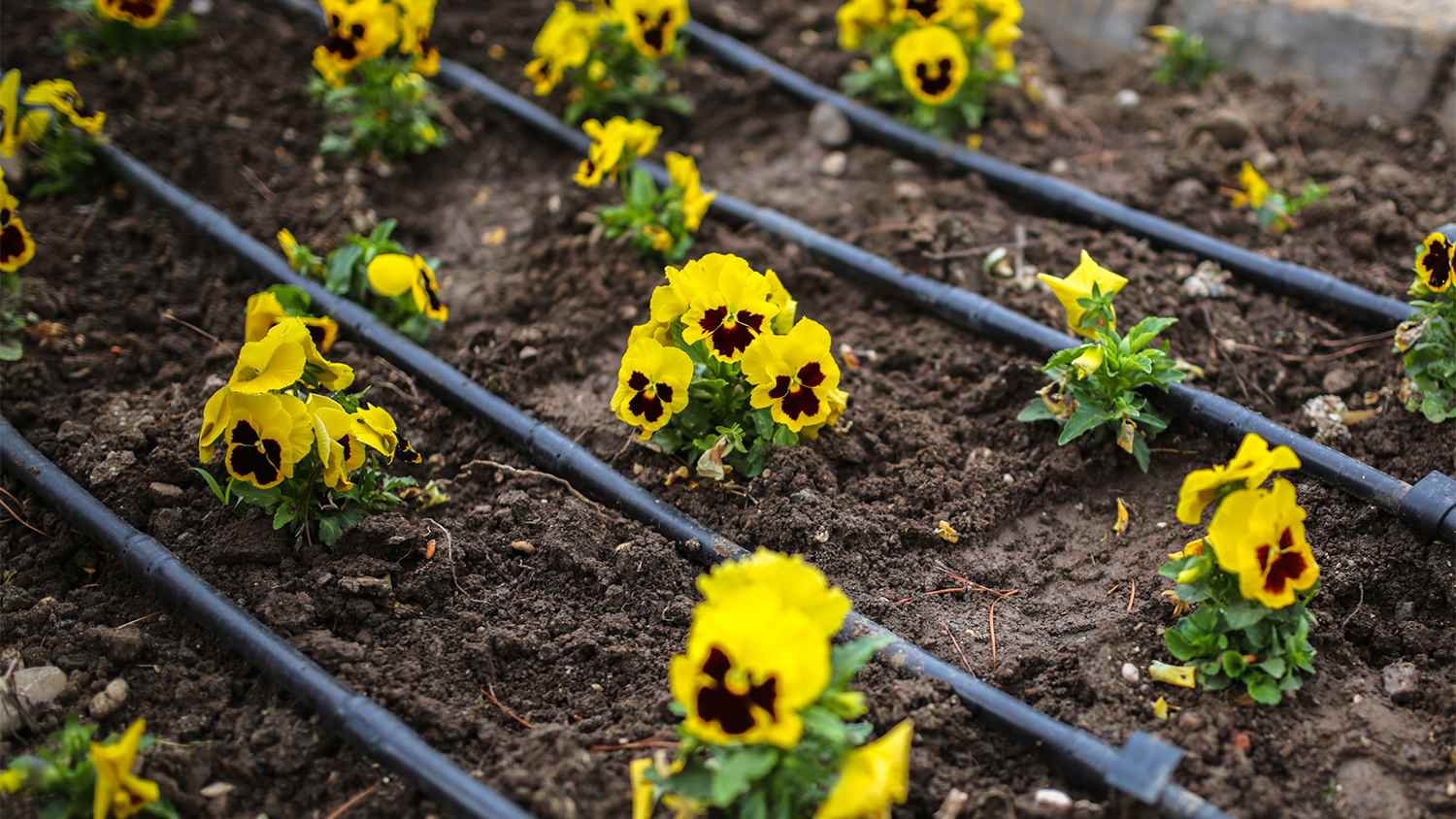
A drip irrigation system uses perforated tubes to deliver water slowly and directly to your plant roots, making it more efficient than traditional sprinklers.
Expect to pay $450 to $630 for professional subsurface drip irrigation installation on an average lawn, with above-ground DIY kits starting around $20 per 100 linear feet.
You can customize your drip system with separate zones and watering settings to meet the specific needs of different plants in your yard.
Hiring a local sprinkler installation professional removes the guesswork from system design and setup, especially when working with large yards or subsurface installations.
When you think about the different ways to water your lawn, what comes to mind? For many people, it’s probably a set of sprinklers that pop out of the ground or even a good old-fashioned garden hose. However, drip irrigation systems are another option—and they’re more efficient and eco-friendly than many other watering systems. Below, we’ll explain what a drip irrigation system is, how it works, and how it compares to other irrigation methods.
Drip irrigation is a type of low-flow irrigation system for watering your lawn or garden. It uses a series of perforated tubes (called drip lines) to slowly and evenly distribute water throughout your yard. Unlike an irrigation system with sprinkler heads, a drip irrigation system delivers water straight to the plants’ roots, creating more efficient watering sessions and minimizing water waste.

In a drip irrigation system, the tubes connect to a water source, like an outdoor faucet, which provides the water that goes into the drip lines. The tubes can either sit on top of the soil (above-ground or surface drip irrigation) or slightly beneath it (subsurface drip irrigation). Water gradually drips out of the holes in the tubes (known as emitters), so your plants’ root systems receive a slow but steady supply of water.
Drip irrigation systems are easy to customize, which is ideal if you have multiple types of plants with different hydration needs. In that case, you can create separate zones and watering settings to make sure everything in your yard gets the right amount of water.
Despite the similar names, a drip irrigation system isn’t the same thing as a drip distribution system, which is a type of septic system. However, if you have an aerobic septic tank, you may be able to build a septic sprinkler system to distribute your home’s wastewater back into your soil.

The price of installing a drip irrigation system depends on a few factors, including the size of your yard, the setup and components you choose, and whether or not you get professional help. However, hiring a pro to install a subsurface drip irrigation system on an average-sized lawn usually costs between $450 and $630.
If you’re on a budget and willing to take on a DIY project, you could save some money by installing your own system. Above-ground drip installation kits cost as little as $20 per 100 linear feet at home improvement stores.
While drip irrigation may work well for some homes, it might not be the best option for your property. Here’s how this watering system compares to other common irrigation methods.
| Type of System | Description | Cost |
|---|---|---|
| Drip irrigation | Controlled, automated watering directly on plant roots | $450–$630 |
| Automatic sprinkler | Zoned watering that covers large areas of landscape | $1,600–$3,600 |
| Underground sprinkler | Automatic sprinkler system with sprinklers buried in trenches underground | $1,700–$3,400 |
| Soaker hoses | Large-scale drip irrigation using just one hose | $50–$500 |
If you need guidance on choosing a watering system, weighing these drip irrigation pros and cons can help you decide.
| Pros | Cons |
|---|---|
| Even, controlled watering | Higher up-front cost |
| Automated | May require pro installation |
| Reduces water waste | Regular maintenance |
| Limits soil erosion | Aboveground tubes vulnerable to weather and UV |
| Reduces plant disease risk | Vulnerable to pests and chemicals |
If you’re a hands-on person, you can learn how to install drip irrigation yourself and knock out the project in an afternoon. It’s a pretty approachable six-step DIY task that includes mapping out a grid plan for the system, laying and cutting a main hose and feeder lines, and punching holes in the tubes.
With that said, there are some cases in which you might prefer to call an expert for drip irrigation installation. For example, if you have a sizable yard or a plant garden with special watering needs, you can save quite a bit of time, hard work, and hassle by reaching out to a local sprinkler installation pro. They’ll work with you to determine the best drip irrigation system for your space, whether that’s an above-ground or subsurface type.
Cody did a great job!
 Itzelpainting
Wonderful. I am going to have them remove and replace my driveway in the spring.
 All Star Paving and Sealing
We had a 20+ year old landscape lighting system that needed replacement. Midwest Lightscapes worked with us to design a much improved lighting system, lighting the exterior of the house and the back yard. Installation of the 45 light system took one and one-half days, and went very smoothly....
 Midwest Lightscapes
Did an amazing job transforming my yard. Also installed sod in places, would recommend to everyone.
 Cardinal Landscaping & Construction LLC
Always been satisfied with the service work and how they have taken care of my pool.
Bill Gerhardt sold the company to his employees at the end of 2019, apparently without a workable succession plan and without notifying prospective customers of this fact. Most aspects of the maintenance contract have not been fulfilled: no installation of anual plantings per contract, no...
They show up and they did take us on as a client which seems to be a problem with other lawn care providers. We have multiple properties and this one was located close to downtown and no one really wants to mess with it.
I was very happy with the service provided by AK Irrigation. They responded quickly to my email, and the woman I spoke with was polite and professional. I was able to get an appointment that same week. <br /> The technician (Tyler) arrived on time. He was very knowledgeable, and worked...
 AK Irrigation
The worker came out when he was supposed to come. He informed me he would honor the Angie's List deal, but would not do any more work for me since my son in law owns lawn care company as well, even though they do not do the same type of work. He said he did not feel comfortable giving me...
 Bello Giardino LLC
E & L Lawn Care was super. They were very responsive before and after service. They were efficient and were able to complete the job within 1 day. I have had concern about one section of sod - the owner was pro-active and did a visit to evaluate. I have no doubt they will stand behind...
 E&L lawn care
From average costs to expert advice, get all the answers you need to get your job done.
Discover drip irrigation system cost estimates, key price factors, and ways to save. Get transparent pricing to plan your home irrigation project confidently.
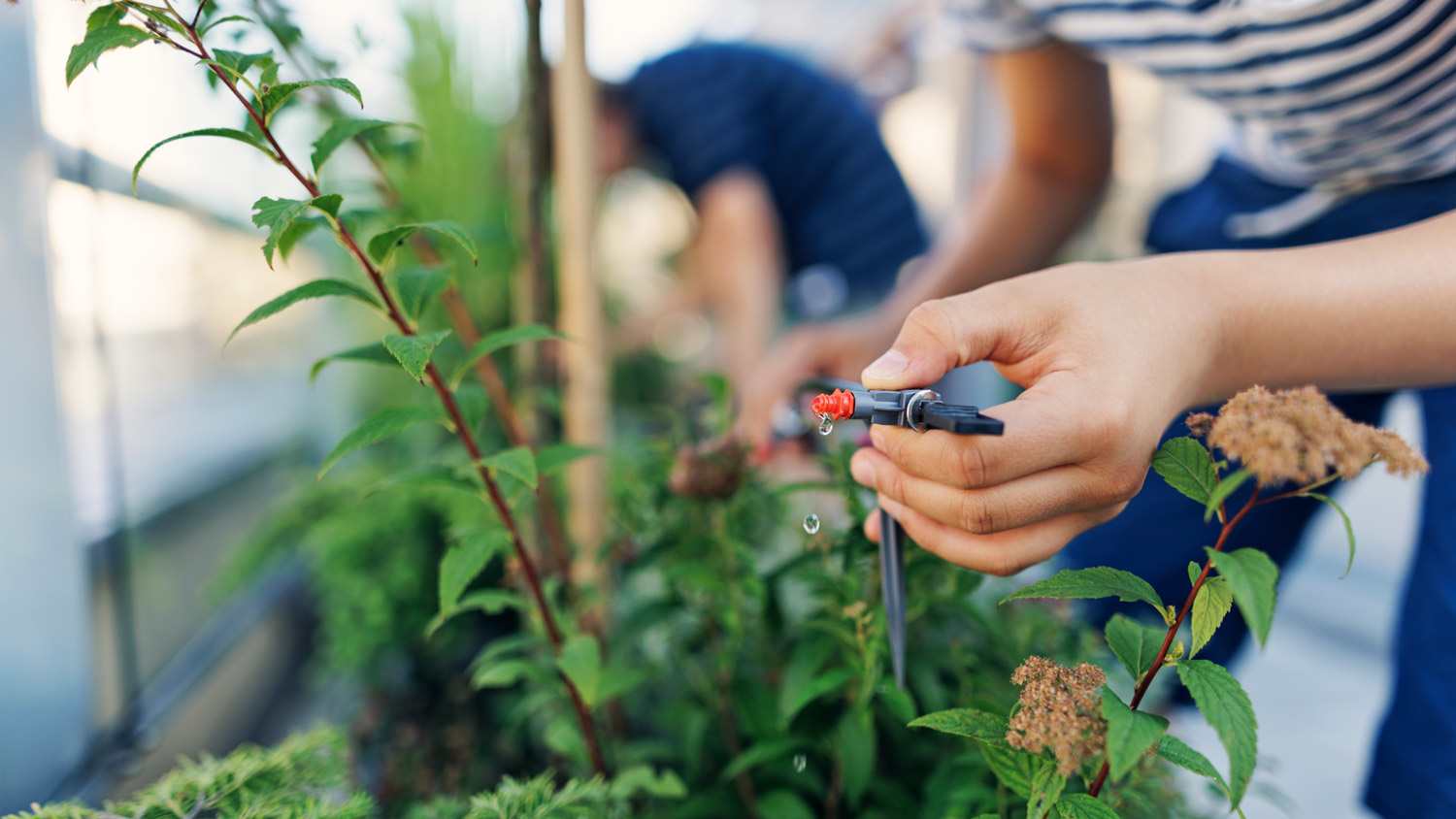
Drip irrigation vs. soaker hose: Which should a gardener choose? Here’s how to tell which of these watering options will work best for your landscaping needs.
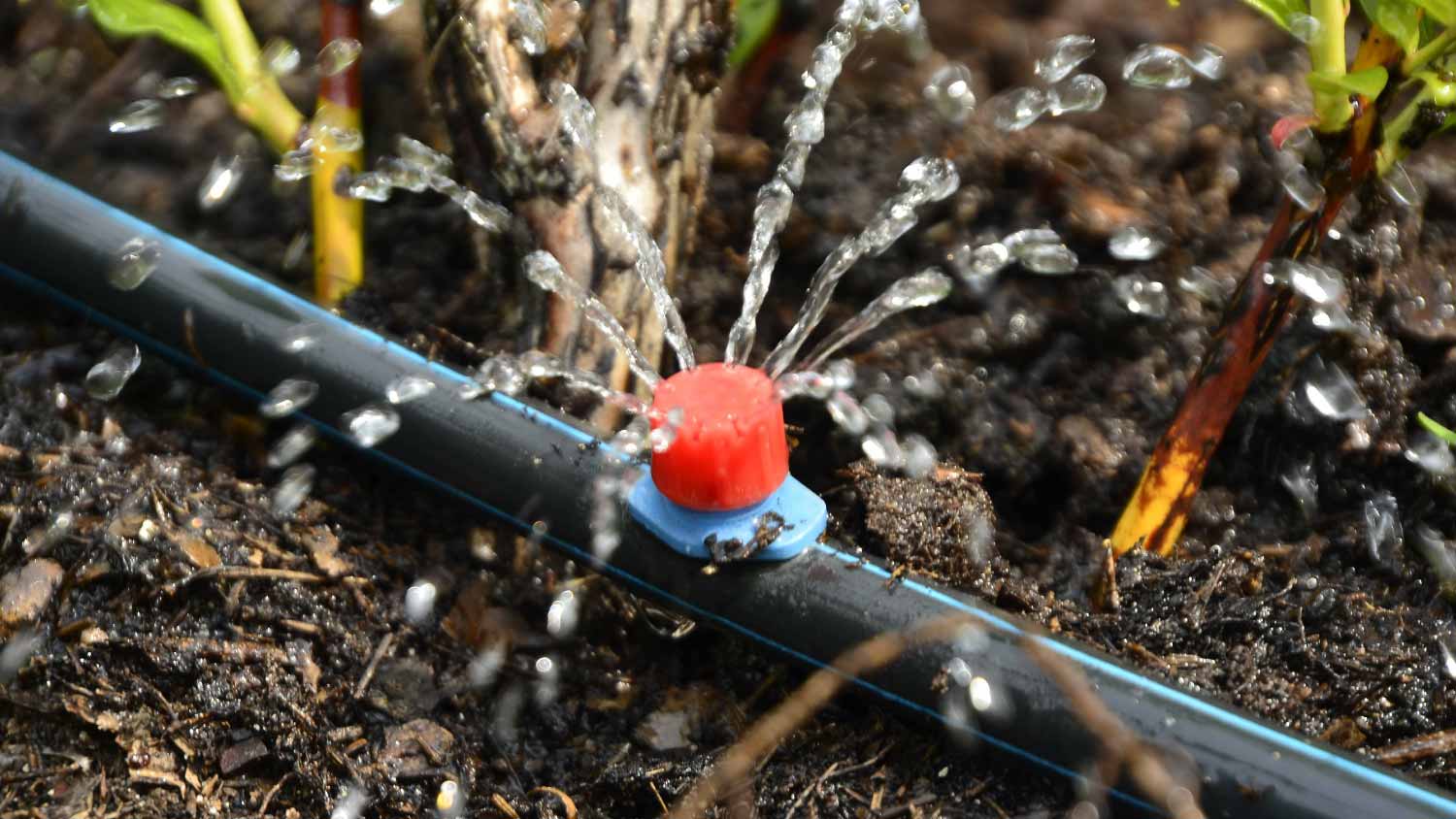
A sprinkler system saves time and money, but what are the pros and cons of a drip irrigation system? Here’s what you should consider.
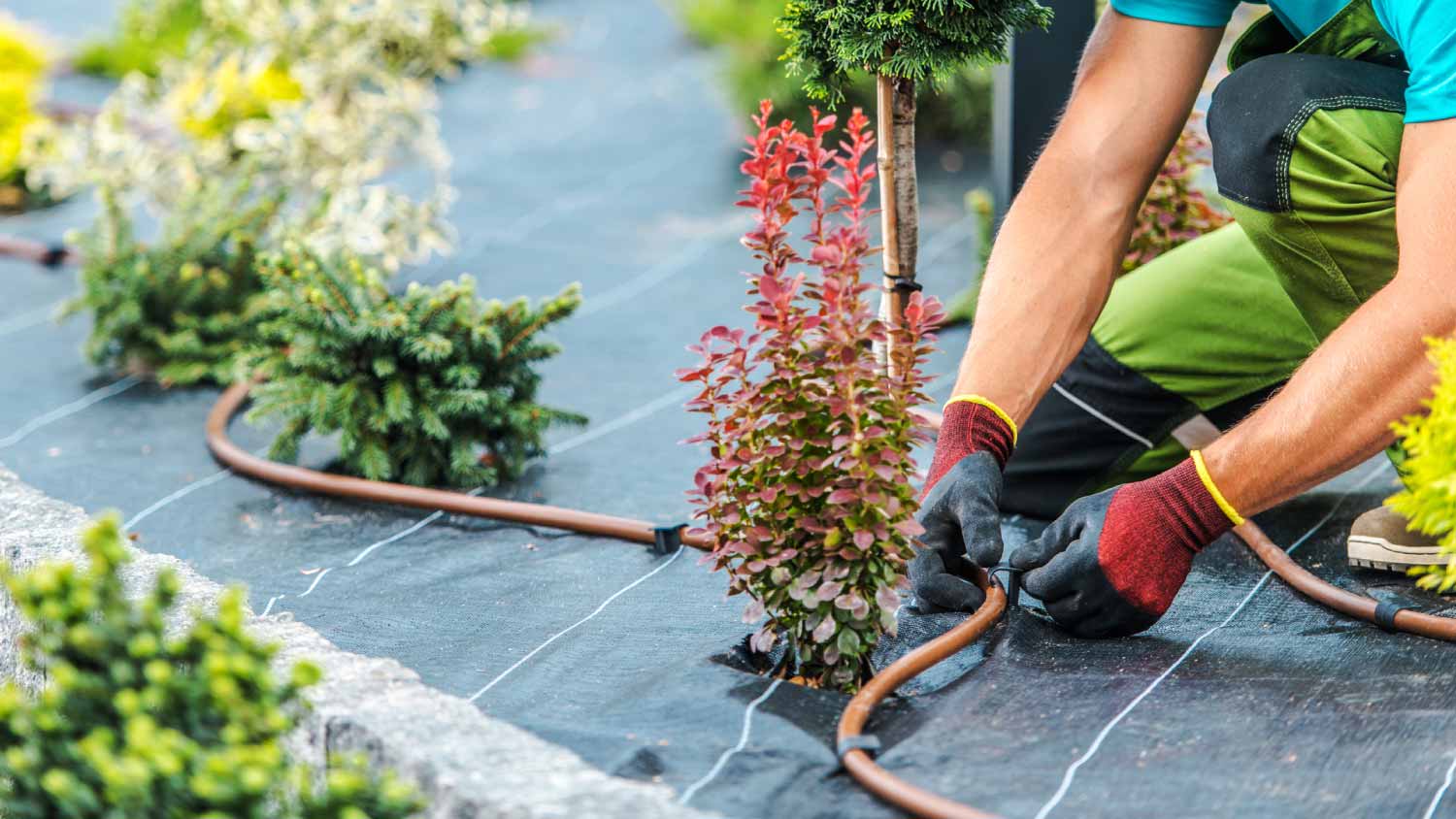
Need an effective solution for watering your garden? Here are four types of drip irrigation systems that can help you nurture your plants to perfection.
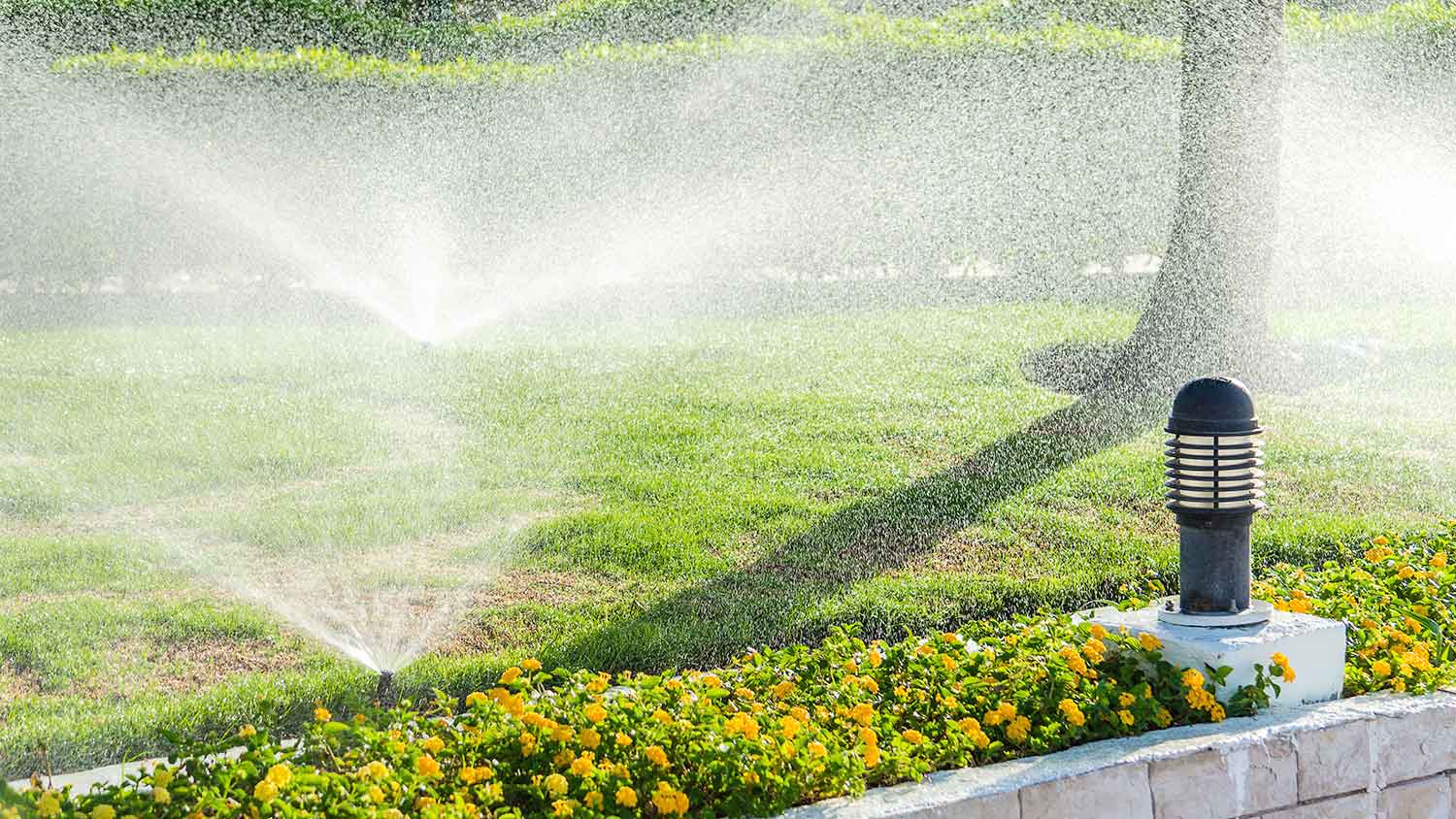
Irrigation can help your lawn, flower bed, and veggie gardens thrive. But what is irrigation? Follow this guide to learn how irrigation works.
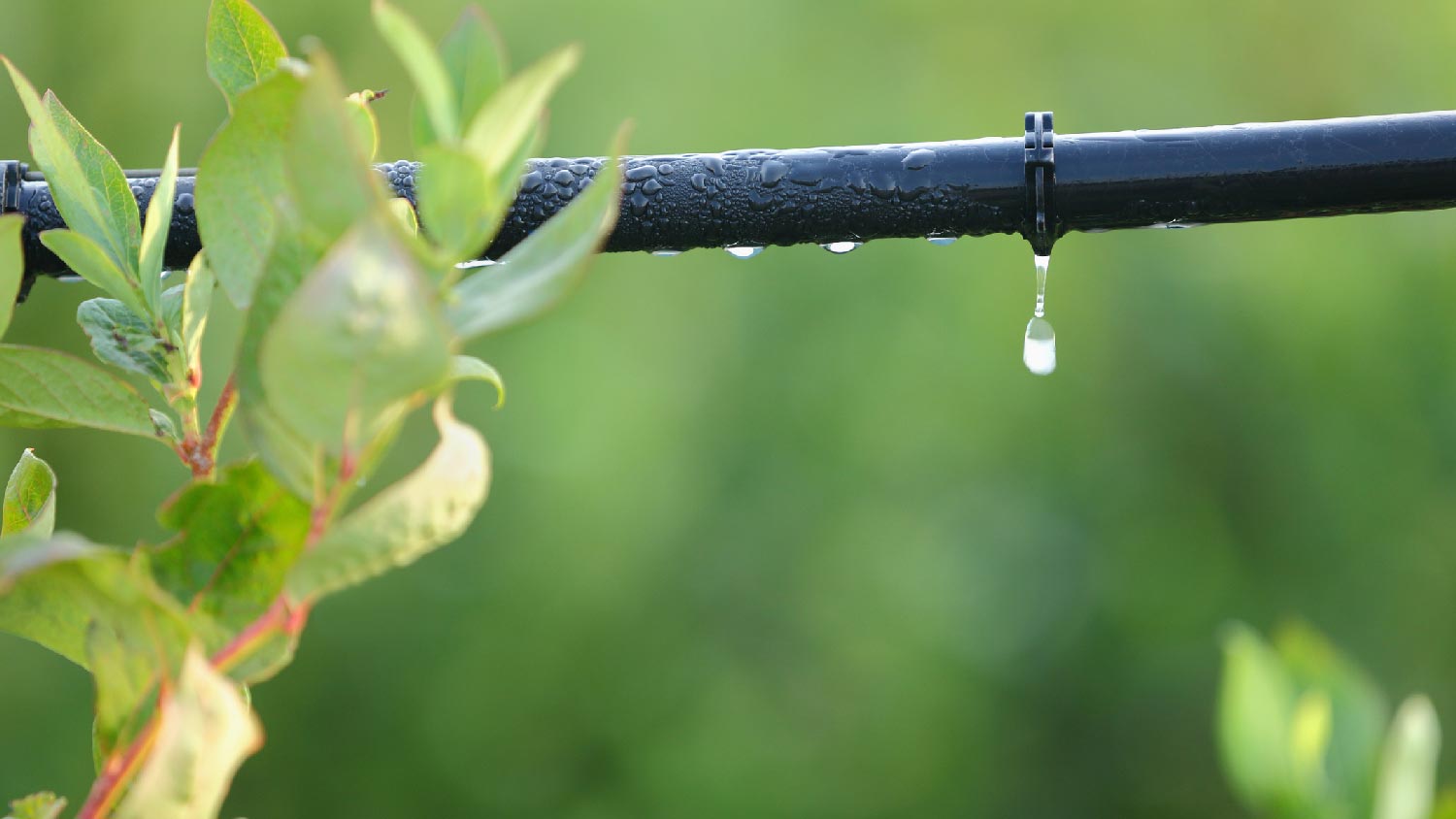
Learning how to convert your sprinkler to drip irrigation saves you money on water use and reduces weed growth. Follow this guide to learn how to do it.