
•
Planning for lawn aeration this season? Learn about soil compaction, costs to expect, and how to hire the right local lawn care pro to revive your grass.
Lawn fertilization and treatment costs depend on your project and location. Check with a local pro for your specific job.


Professional lawn aeration costs between $76 and $207 on average, based on your yard size.
Your lawn size, soil condition, and aeration method set your price, with core aeration costing more.
You should budget for overseeding, fertilization, or sprinkler marking, which adds $150 to $415 to your total.
Hiring a local lawn aeration professional brings commercial-grade equipment, checks your soil, and saves you strenuous yard work.
This article was created using automation technology and thoroughly fact-checked and edited by an Angi Editor in accordance with our AI policy.
In 2026, the national average cost for lawn aeration is $141, based on 3,222 verified projects from Angi Pros. Most homeowners pay between $76 and $207, with lawn size, soil condition, and aeration method driving the spread. If you plan to add overseeding, fertilization, or sprinkler marking, budget an additional $150 to $415 for these services.
Several factors influence what you'll pay for lawn aeration, including your yard size and soil type, the aeration method, and your location. Understanding these elements helps you anticipate your final bill and choose the right service for your lawn.

The price of lawn aeration varies based on the specific method chosen for your soil condition and grass type. Core aeration, the most popular and effective choice for clay-heavy or heavily compacted soil, costs $150 to $300 to physically remove soil plugs and open channels to the roots. Spike aeration costs $130 to $250 as a lower-intensity option that punches holes into sandy or mildly compacted ground without extracting soil. For ongoing maintenance or light compaction, liquid aeration costs $120 to $200 per application to break up soil bonds at a microscopic level using a sprayed chemical solution.
The table below breaks down lawn aeration costs based on method:
| Aeration Type | Description | Average Cost Range |
|---|---|---|
| Core | Removes soil plugs for deep aeration | $150–$300 |
| Spike | Punches holes into soil surface | $130–$250 |
| Liquid | Sprays solution to loosen soil | $120–$200 |
Your lawn size affects the total cost of aeration, with service providers often pricing by the square foot or offering flat rates for common yard sizes. Minimum fees apply for very small lawns to cover travel and setup costs. Larger lawns or properties over a quarter acre generally qualify for custom quotes rather than standard flat rates. The table below breaks down aeration costs by lawn size:
| Lawn Size (Sq. Ft.) | Description | Average Cost Range |
|---|---|---|
| 500–1,000 | Small garden | $50–$350 |
| 1,000–5,000 | Townhome or small suburban lot | $100–$500 |
| 5,000–10,000 | Standard residential yard | $500–$650 |
| 10,000+ | Large yard or partial acre | $650+ |
How often you aerate your lawn directly influences your yearly lawn care costs. Most lawns benefit from annual aeration, though high-traffic or clay-heavy yards may need two services per year. Aerating in spring or fall is ideal, but prices can rise during these peak demand seasons. Booking in advance or scheduling during less busy times may help you secure better rates, and some companies offer discounts for recurring contracts or package deals.
Lawn aeration professionals charge per job, per hour, or by the square foot, with labor rates ranging from $40 to $75 per hour. Many providers set fixed rates per 5,000 or 10,000 square feet, and minimum service fees or travel surcharges can apply for small jobs. Lawns with steep slopes or many obstacles, such as trees and flower beds, may cost more due to the extra labor required. Rates vary by region, company size, and service model, so it pays to get a few quotes before booking.
Where you live can meaningfully affect your lawn aeration cost, with urban areas and regions with higher living costs typically seeing higher prices. Soil type and climate also play a role, since clay-heavy soils may require more intensive work and some regions have higher seasonal demand for aeration. Difficult-to-access lawns, like those on slopes or with limited gate access, may incur extra charges on top of the base service rate.
Tipping lawn aeration professionals is optional but appreciated, especially for exceptional service or particularly challenging jobs. A tip of $10 to $20 per worker or up to 10% of the service price is common practice. Tipping is more expected for one-time or seasonal services than for ongoing contract work.
The ideal frequency for lawn aeration depends on your grass type, soil condition, and how much foot traffic your lawn receives. Most lawns benefit from annual aeration, but heavily compacted or high-traffic yards may need it twice a year. Spring and fall are the best seasons to aerate, since aerating during peak growth helps grass recover quickly. Costs may rise during these busy periods, so scheduling early can help you secure a spot and potentially avoid peak-season pricing.
Watch for these signs that your lawn needs aeration:
Water pooling after rain
Thick thatch layer
Slow grass growth or thinning patches
Hard, compacted soil underfoot
Your local climate affects timing. For example, cool-season grasses thrive when aerated in early fall, while warm-season grasses do best in late spring.
Many homeowners choose to bundle other lawn care services with aeration for improved results, though these add-ons will increase your total cost. Combining services can sometimes unlock package discounts, so it’s worth asking your provider about bundled pricing options. The table below breaks down common lawn aeration add-ons and what they typically cost:
| Add-On Service | Description | Average Cost Range |
|---|---|---|
| Overseeding | Spreads new grass seed for thicker growth | $0.20–$0.20 per sq. ft. |
| Fertilization | Adds nutrients after aeration | $70–$380 |
| Topdressing | Applies compost or soil amendments | $30–$150 per cu. yd. |
| Weed control | Treats weeds during or after aeration | $35–$400 |
| Irrigation system marking/repair | Protects or fixes sprinkler lines | $135–$415 |

Hiring a professional for lawn aeration costs $40 to $75 per hour, while DIY aeration costs $80 to $120 for a day-long machine rental. While DIY saves money, it’s best for small, flat yards owned by homeowners comfortable with heavy machinery. Hiring a professional is often the better value for medium-to-large lawns, heavy clay soils, or steep slopes where commercial-grade equipment and expert execution yield superior results without the physical labor.
A little planning can help you get the most value from your lawn care budget. There are several ways to save on lawn aeration costs:
Schedule Off-Peak: Schedule aeration during off-peak seasons for possible discounts.
Bundle Services: Bundle aeration with other lawn services like fertilization or overseeding for package deals.
Year-Round Maintenance: Maintain your lawn year-round to reduce how often you need aeration.
Share Equipment: Rent aeration equipment with friends or neighbors to split costs.
Loyalty Programs: Ask about loyalty programs or recurring service contracts for additional savings.
Home is the most important place on earth, which is why Angi has helped more than 150 million homeowners transform their houses into homes they adore. To help homeowners with their next project, Angi provides readers with the most accurate cost data and upholds strict editorial standards. We’ve surveyed thousands of real Angi customers about their project costs to develop the pricing data you see, so you can make the best decisions for you and your home. We pair this data with research from reputable sources, including the U.S. Bureau of Labor Statistics, academic journals, market studies, and interviews with industry experts—all to ensure our prices reflect real-world projects.
Want to help us improve our cost data? Send us a recent project quote to [email protected]. Quotes and personal information will not be shared publicly.
They did an excellent job! Super fast, helpful, and made the process so easy. Great job!
 1-800-GOT-JUNK?
1 tree was cut down and 5 others including a large willow tree were trimmed. The Grant Tree Service men were professional and cleaned up afterwards. The cost of the 6 trees were affordable. I am very happy with the results. I would hire them again.
 Grants Tree Service
Thank you very much for his professionalism and getting the job done the right way the first time. Great job!
 Alex & Alex
Great job! Friendly, timely and thorough.
 Eco Plumbers, Electricians, and HVAC Technicians
It was a difficult job and Robert and his son worked diligently to get it done.
Window Depot did an amazing job on my deck. I wasnt sure what I wanted to do, but their composite decking was affordable and will last a long time. I am excited to have family over, and I am no longer embarrassed by my backyard. Jeff and the ground crew were polite, respectful, and caring for...
 Window Depot USA of Central Ohio
He did the work in a timely manner and I would use him again!!
 Quantum Waterworks Waterline & Drain Cleaning Services, LLC
Cameron and his crew did an excellent job. On time, professional and courteous. My driveway looks awesome!!
 All Star Paving and Sealing
The guys did an outstanding job and we had a great experience with CarifaTile. I appreciated that Joe reviewed the quotes with me and set expectations prior to the install. The crews showed up as scheduled and always left the areas clean upon leaving the house. We will definitely use...
 CarifaTile
He was very informative and knowledgeable about what needed to be done and very thorough I was really pleased with our visit
 Southwest Ohio Art Glass
From average costs to expert advice, get all the answers you need to get your job done.
Planning for lawn aeration this season? Learn about soil compaction, costs to expect, and how to hire the right local lawn care pro to revive your grass.
Are you wondering, “Who can I hire to aerate my lawn?” Learn how to find and hire a local lawn service to get the job done and make your yard look healthy.

You’ve heard of lawn aeration, but you’ve probably wondered, “Do I need to aerate my lawn?” Learn the benefits and best time to aerate with this guide.
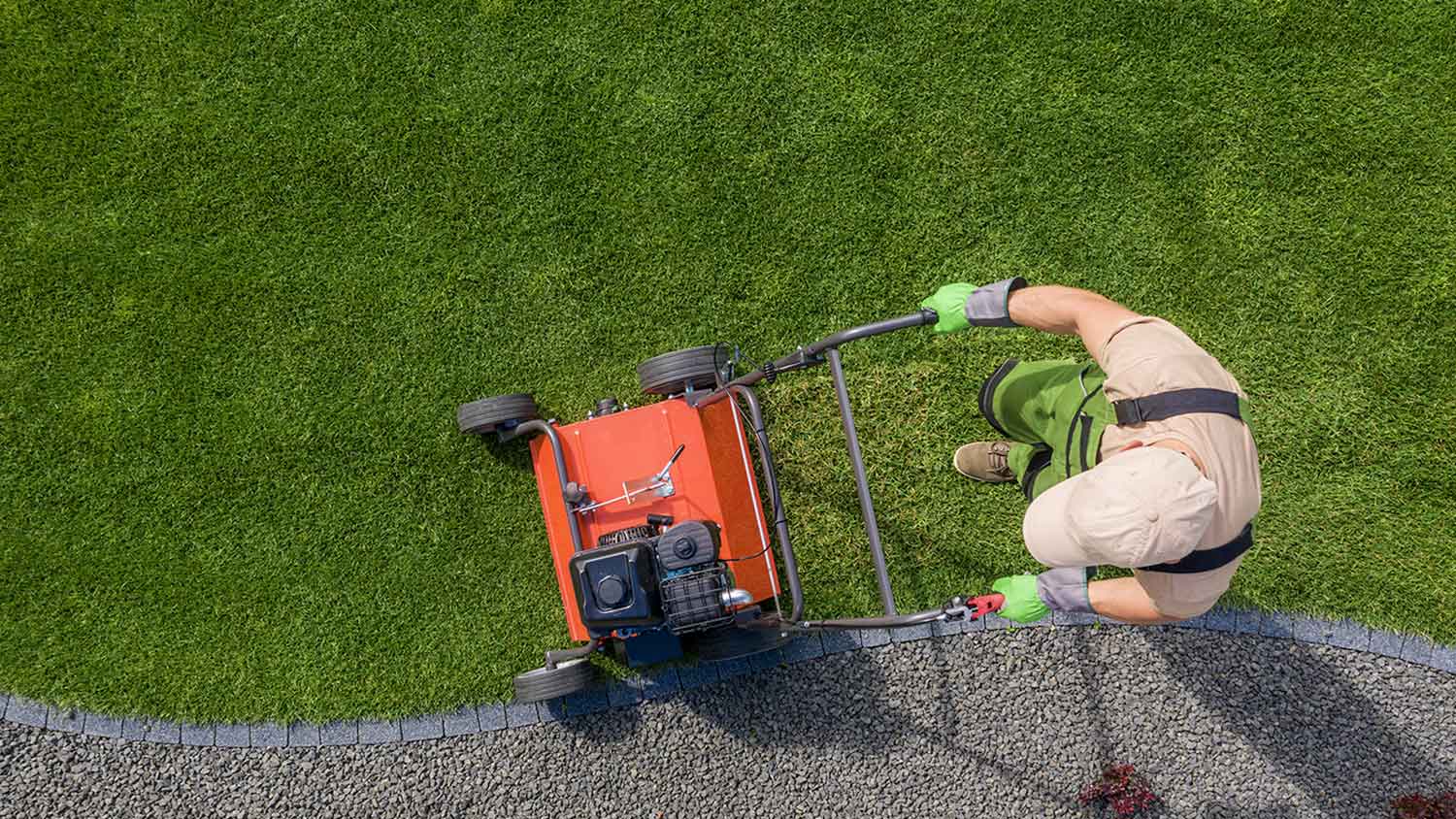
The benefits of aerating a lawn include loosening compacted soil, better nutrient absorption, preventing water buildup, and promoting a stronger turf and root system.
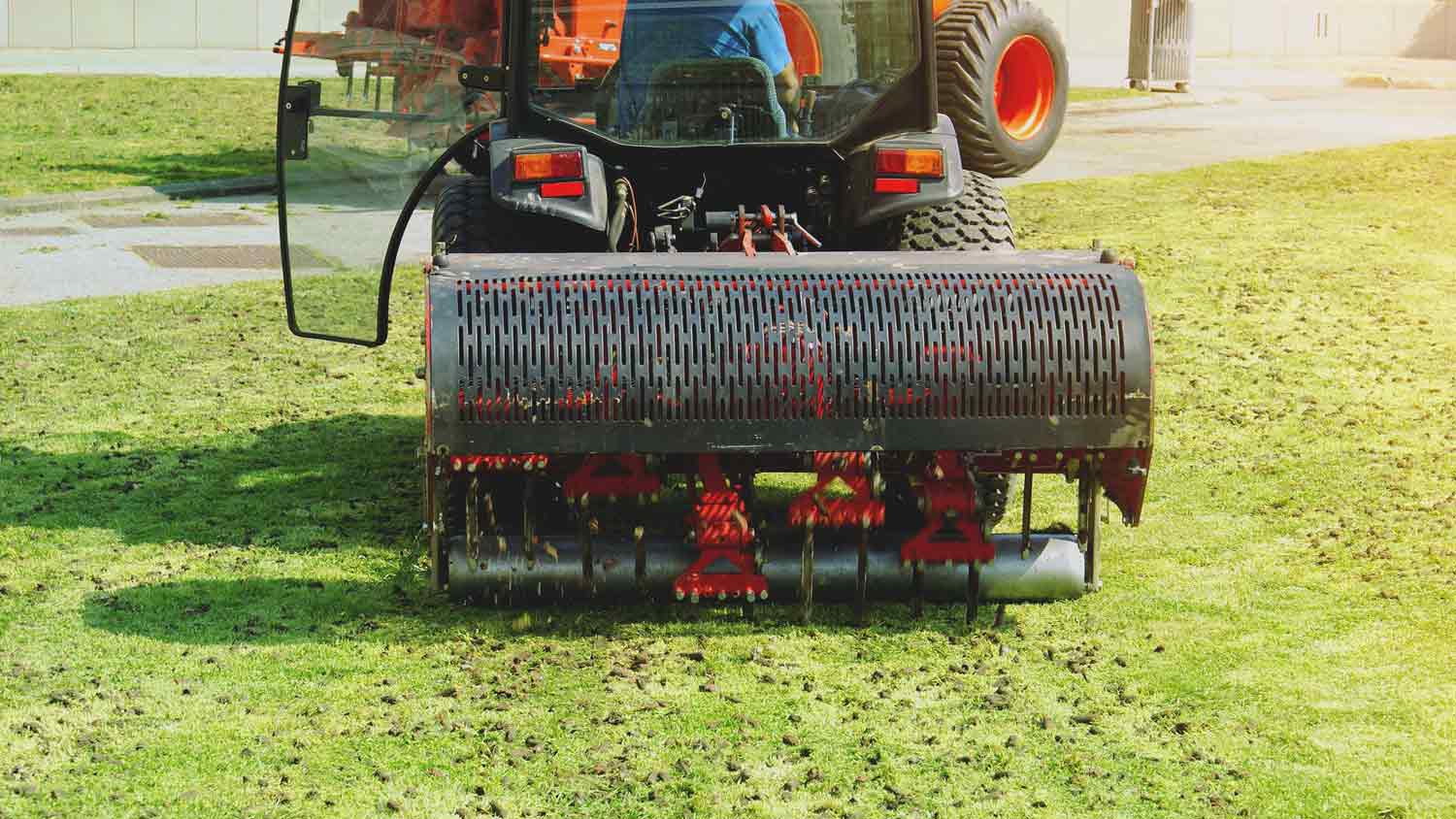
Find and hire a qualified lawn aeration pro with confidence. Learn what questions to ask, credentials to check, and how to choose the right service for your lawn.
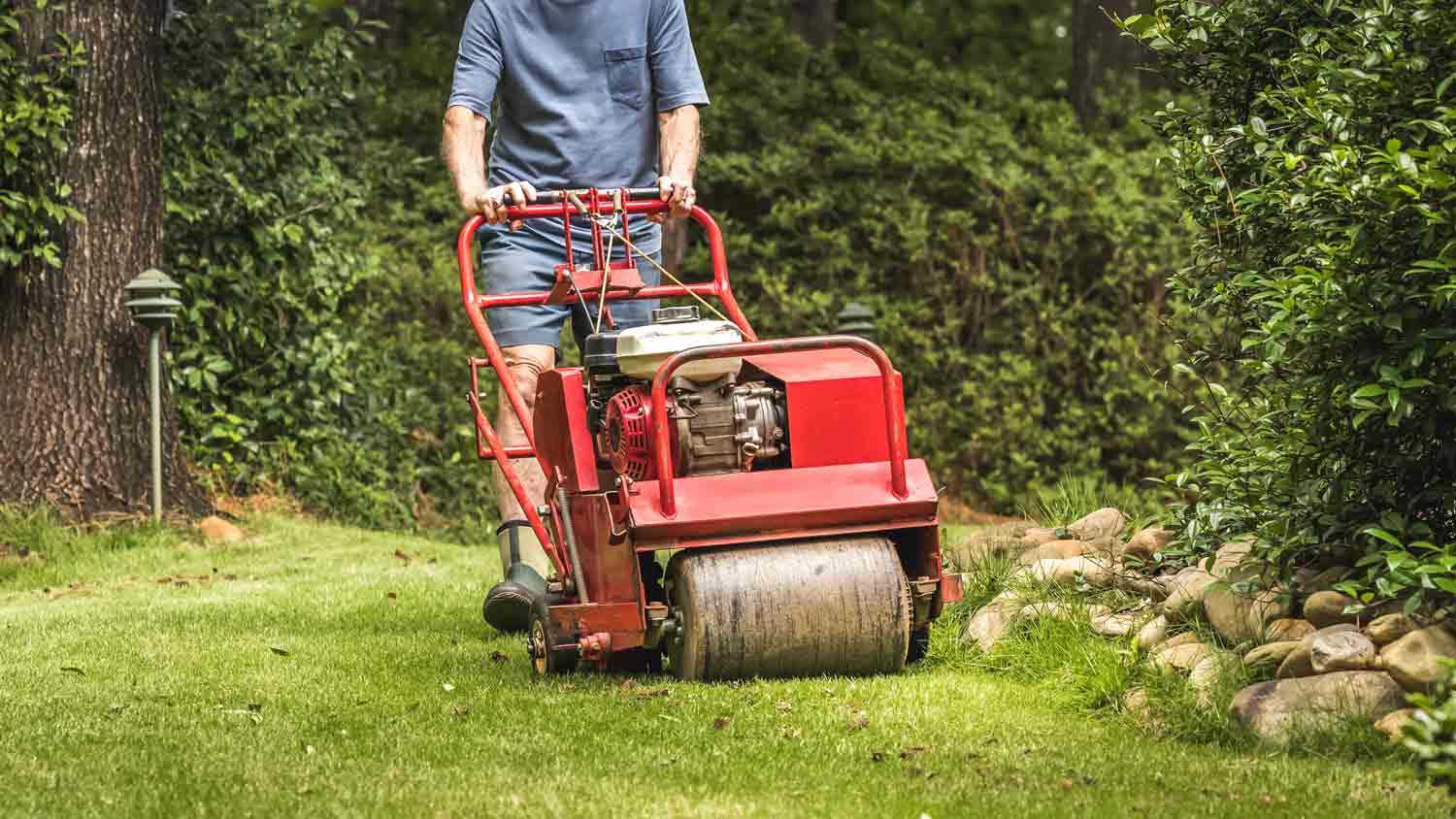
How much it costs to rent a lawn aerator depends on what kind you rent and how long you rent it for. Read on for the full details.