


How much does it cost to build a seawall? Read on and learn why freshwater seawalls are often half the price of their salty cousins.
Dock building and repair costs depend on your project and location. Check with a local pro for your specific job.

Professional seawall repair costs $100 to $250 per linear foot, with your total determined by wall length and damage severity.
Your seawall material drives repair complexity, with vinyl and wood repairs simpler than steel, concrete, or reinforced vinyl structures.
Budget for debris removal and backfill stabilization work if your seawall sits in a hard-to-reach or inaccessible location.
Hiring a local dock building repair professional prevents erosion failures and ensures your waterfront structure withstands water pressure and environmental conditions.
In 2026, the national average cost to repair a seawall is $37,500. Most homeowners pay between $26,250 and $48,750, with the spread driven by wall length, material type, and the extent of the damage.
Seawall length is the primary driver of repair costs, with most contractors pricing work at $100 to $250 per linear foot. Costs vary by total wall length, and the table below shows how repair expenses scale across common seawall sizes.
| Seawall Length (Linear Feet) | Average Price Range in 2026 |
|---|---|
| 10’ | $1,000–$2,500 |
| 30’ | $3,000–$7,500 |
| 50’ | $5,000–$12,500 |
| 80’ | $6,000–$20,000 |
| 100’ | $10,000–$25,000 |
| 150’ | $15,000–$37,500 |
| 200’ | $20,000–$50,000 |
| 250’ | $25,000–$62,500 |

Seawall repair requires licensed marine wall repair contractors with specialized expertise, and labor typically runs $50 to $100 per hour, accounting for 25% to 40% of your total project cost. Standard labor rates generally include basic equipment such as bulldozers, but costs rise when the job demands more specialized machinery.
Seawall repair scope ranges from filling small cracks to rebuilding entire wall sections, and costs vary significantly depending on the repair type. The table below breaks down typical costs by repair type so you can gauge where your project falls.
| Repair Type | Cost by Linear Foot in 2026 |
|---|---|
| Fixing small cracks | $100–$180 |
| Installing new concrete caps and tiebacks | $125–$230 |
| Grouting joints | $100–$125 |
| Installing secondary anchors | $225–$300 |
| Soil stabilization | $120–$270 |
| Fixing leaning walls | $200–$600 |
| Fixing joint separation | $250–$500 |
| Addressing toe berm failure | $300–$600 |
| Restoring cracked panels | $450–$600 |
Seawall repair pricing varies widely because these projects take place in some of construction's most demanding environments, where site conditions and the extent of damage both shape your final bill. The sections below cover the key cost factors to weigh when budgeting for your repair.
Repairing a seawall along a river or lake typically costs significantly less than repairing an ocean-facing shoreline. For ocean seawalls, site access adds another pricing layer: working from the shoreline is considerably less expensive than deploying a barge when land access is limited.
Hard-to-access seawalls add labor costs because contractors may need to clear debris or remove tree stumps before work can begin. Budget separately for any backfill work required to stabilize the repair area once the contractor is on site.
Clay or rocky soil makes seawall repair significantly more difficult, and hard soil conditions may require drilling to complete the work. Your contractor may also charge separately to haul away rock removed from the work zone.
Vinyl, wood, and riprap rock seawalls generally fall within the average repair cost range, while steel, concrete, and reinforced vinyl walls cost more to repair. Walls combining riprap rock with steel or concrete require both masonry and metalwork, which can push costs well above average.
Hiring a local seawall repair professional costs more upfront, but you benefit from accurate structural assessment, proper repair techniques, and long-lasting stabilization. Pros bring the right equipment, marine construction experience, and materials designed to withstand water pressure, erosion, and environmental conditions—helping prevent recurring damage and costly failures.
Repairing a seawall involves assessing structural integrity, addressing erosion, and using specialized methods to reinforce or rebuild damaged sections. Here are some of the top reasons to work with a pro:
Professionals know how to identify issues such as soil loss, hydrostatic pressure buildup, cracks, sinkholes, and compromised tiebacks that may not be visible from the surface.
They use the correct repair methods—such as pressure grouting, installing new anchors, patching cracks with marine-grade materials, or replacing failing panels—ensuring long-term durability.
Hiring a pro reduces the risk of improper repairs that can accelerate erosion or cause sections of the wall to fail, which can be significantly more expensive to fix later.
Many marine contractors can also bundle services like shoreline stabilization, erosion control, or drainage improvements to help protect your property over time.

How much does it cost to repair a seawall vs. building a new one? If your seawall is in rough shape, you might be wondering if you're better off making repairs or completely replacing your seawall. This could help you avoid the stress and cost of tearing down a wall you've just paid to fix in a few short years. Here's a look at the factors to weigh when deciding if a wall should either be fixed or completely redone.
While seawalls can last anywhere from 30 to 70 years, most maintain their integrity for roughly 50 years before potentially needing to be replaced. The location of your seawall often determines its longevity. For example, wave-battered seawalls on saltwater coasts tend to disintegrate faster due to factors like rust and erosion. Meanwhile, seawalls on freshwater lakes often last longer. While most seawalls begin to need some repair work at around the 20-year mark, that doesn't mean that your seawall is actually malfunctioning. This is considered normal. However, pouring money into repairing a seawall that was built more than 50 years ago may not be wise.
It's typically worth it to hold on to a seawall that only needs some cracks filled or new grouting. Once you get into the territory of replacing full panels, you should consider whether starting from scratch may be worth it. Redoing a crumbling or highly compromised seawall can give you an opportunity to utilize newer, more resilient materials while also ensuring that your wall has a cohesive look instead of holding it together with patchwork repairs from different eras.
Building a new seawall typically costs $10,000 to $100,000 overall, with most contractors charging $100 to $800 per linear foot and complex projects reaching $1,000 per linear foot. If your repair estimate approaches 50% or more of the cost to build a seawall from scratch, investing in a full replacement is often the smarter financial decision.
When it comes to lowering the cost of seawall repair, property owners don't always have a lot of options. Unlike common home and yard projects, seawall repair doesn't leave room for DIY fixes. However, there are still some ways to get the best value with this project:
Hire the Right Contractor: Hiring the right seawall repair contractor is the best way to protect the investment you're making in repairs. The right crew will help you to avoid the need for further repairs down the line due to missteps. It's important to avoid any destruction to your property that could come with hiring inexperienced pros. Look for a seawall repair expert who has completed advanced geotechnical training and possesses the latest marine-safe equipment.
Address All of the Issues at Once: If your seawall needs several repairs, get quotes for all of the work being done at the same time instead of waiting to get things done one at a time. While bundling the costs will lead to a bigger project, the overall cost may be lower because your contractor won't have to come out several times.
Stay on Top of Seawall Maintenance: Neglect is the top reason why seawalls fail. Stay ahead of major problems with your seawall by booking annual inspections for signs of soil shifting, cracking, erosion, or clogged weep holes. Consider hiring a landscaper to manage vegetation around your seawall to prevent weeds and tree roots from causing erosion and cracks.
If you're planning to sell your home in the future, a compromised seawall may be a dealbreaker for a potential buyer. Buyers may not want the liability of a damaged or failing seawall. In addition, a compromised seawall could make it impossible for a buyer to purchase your home with a mortgage from a bank because the issue could make your home uninsurable. If you're simply looking to bulk up a seawall to increase privacy or close off access from the shoreline, consider spending less by taking on aluminum fence cost instead.
Tell your pro what type of seawall you have (vinyl, concrete, wood, or steel) so they can choose the right repair materials and methods.
Describe any symptoms you’ve noticed—like erosion, cracking, bowing, or soil loss—to help them assess the underlying damage.
Ask whether you need to prep the area, such as clearing vegetation, moving boats, or adjusting dock equipment.
Confirm whether hidden issues, like foundation erosion or underwater damage, could increase the project’s cost or timeline.
If you're considering enhancements like added drainage, riprap, or corrosion protection, ask whether it’s cost-effective to bundle those with the repair.
Home is the most important place on earth, which is why Angi has helped more than 150 million homeowners transform their houses into homes they adore. To help homeowners with their next project, Angi provides readers with the most accurate cost data and upholds strict editorial standards. We extensively research project costs to develop the pricing data you see, so you can make the best decisions for you and your home. We rely on reputable sources, including the U.S. Bureau of Labor Statistics, academic journals, market studies, and interviews with industry experts—all to ensure our prices reflect real-world projects.
Want to help us improve our cost data? Send us a recent project quote to [email protected]. Quotes and personal information will not be shared publicly.
Positive experience. As previously stated, the replacement/repair could not be completed (no fault of the plumbing tech) b/c misinformation was rec?d by property management maintenance. Thanks to the plumbing tech for your efforts. Appreciate you!
 The Waterworks
Carpet repair done well. Scheduling was easy. Showed up on time.
 BR Flooring Installation
This company does it right. Firstly, I want to say that Landan was a joy to work with. He was so kind, transparent, and had everything under control. His entire team showed up ready to work and they were all very respectful of the fact that we were in an office space. A little backstory – we...
 Krumlauf Floors
Jason has helped me with multiple household projects, with the most recent being new door installation. He has always showed up on time and organized and has done an incredible job! Jason is very professional and he's now my go-to for anything around my house that needs to be fixed or...
 Huff Garage Rescue, LLC
Everything from initial contact to completion was absolutely top notch. We contacted the business during off hours to leave a message, and the owner still reached out to feel out the issue within minutes. We were scheduled and repaired within 48 hours. I cannot say enough about the...
 Supreme brick & chimney
Window Depot did an amazing job on my deck. I wasnt sure what I wanted to do, but their composite decking was affordable and will last a long time. I am excited to have family over, and I am no longer embarrassed by my backyard. Jeff and the ground crew were polite, respectful, and caring for...
 Window Depot USA of Central Ohio
This is the most responsive and thorough company we have had seal our driveway. Their communication is amazing. They took their time, filling cracks and sealing our driveway beautifully. The person who communicated with me to set up the appointment was there working on the driveway at the...
 All Star Paving and Sealing
Fantastic! Top Line was early for the appointment and very knowledgeable and took time to explain everything they had found during the home inspection. The report included clearly defined issues and what they recommended to remedy the same. The report also included many pictures to help...
 Top Line Home Inspections, LLC
Great experience all together. Dog friendly, courteous, great results and honest with recommendations. Will certainly be using Cardinal in the future for any carpet repairs
 Cardinal Carpet Care & Repair
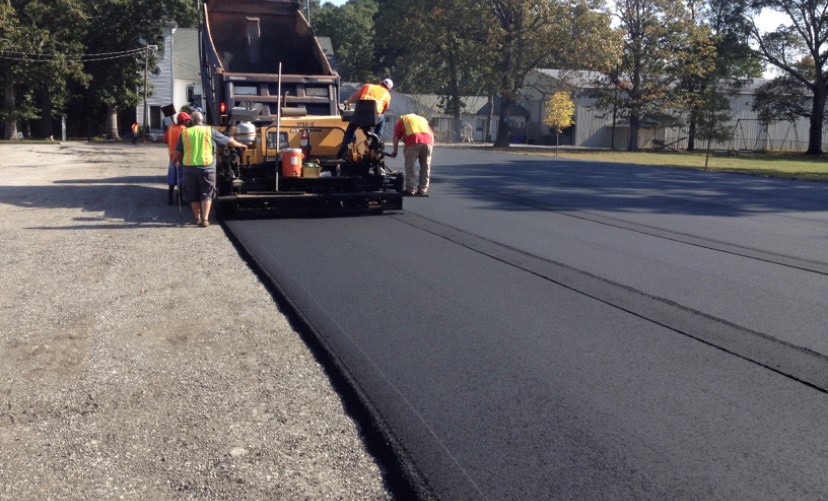
Working with Peter and his crew was a breeze. They were exceptionally polite and did a neat job to repair and seal our driveway. I will definitely talk to them first for additional work.
 Central Paving
From average costs to expert advice, get all the answers you need to get your job done.
How much does it cost to build a seawall? Read on and learn why freshwater seawalls are often half the price of their salty cousins.

Whether you want to spruce up a few dents and dings or fix a large surface area, investing in drywall repair costs can return your walls to a smooth, flush look.
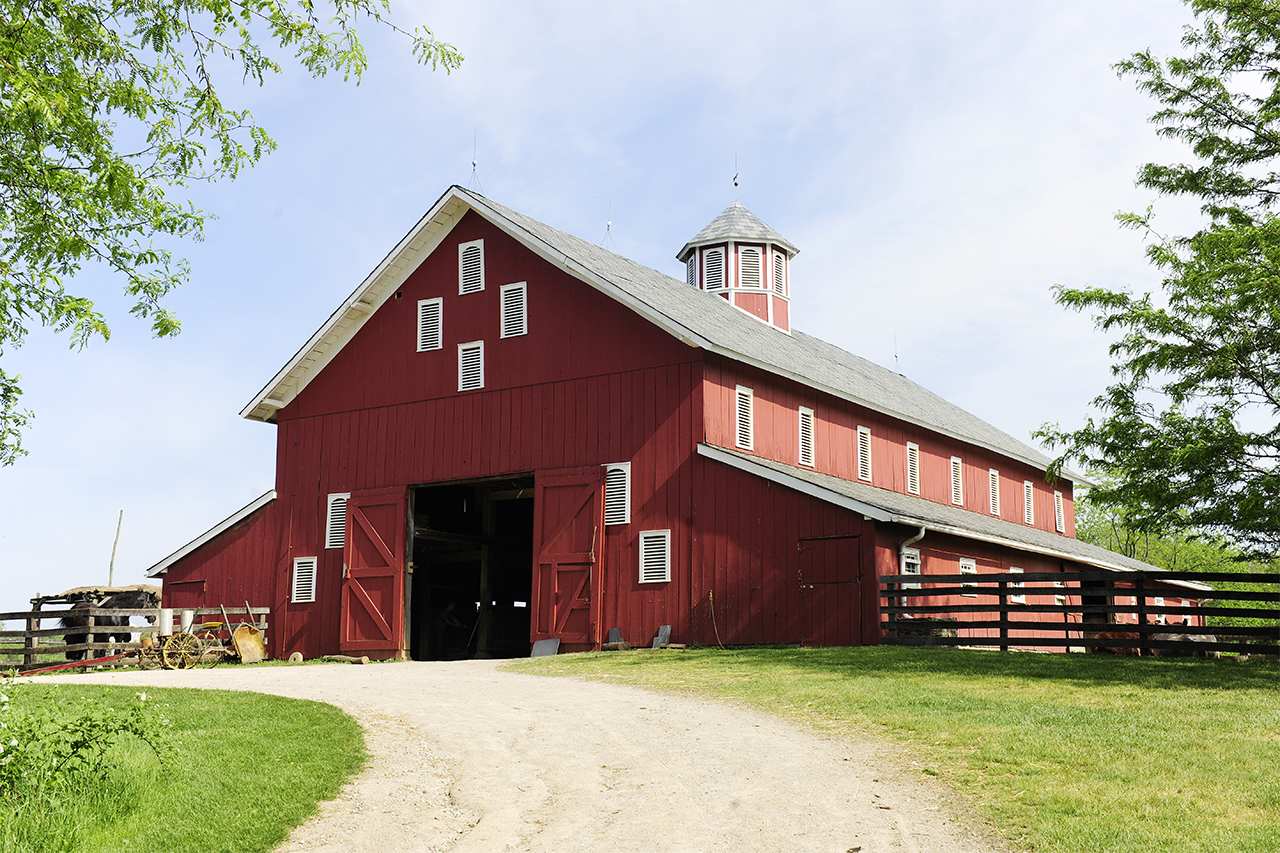
Get expert insights on barn roof repair cost, including average prices, cost factors, and ways to save. Learn what impacts your barn roof repair cost and how to budget.
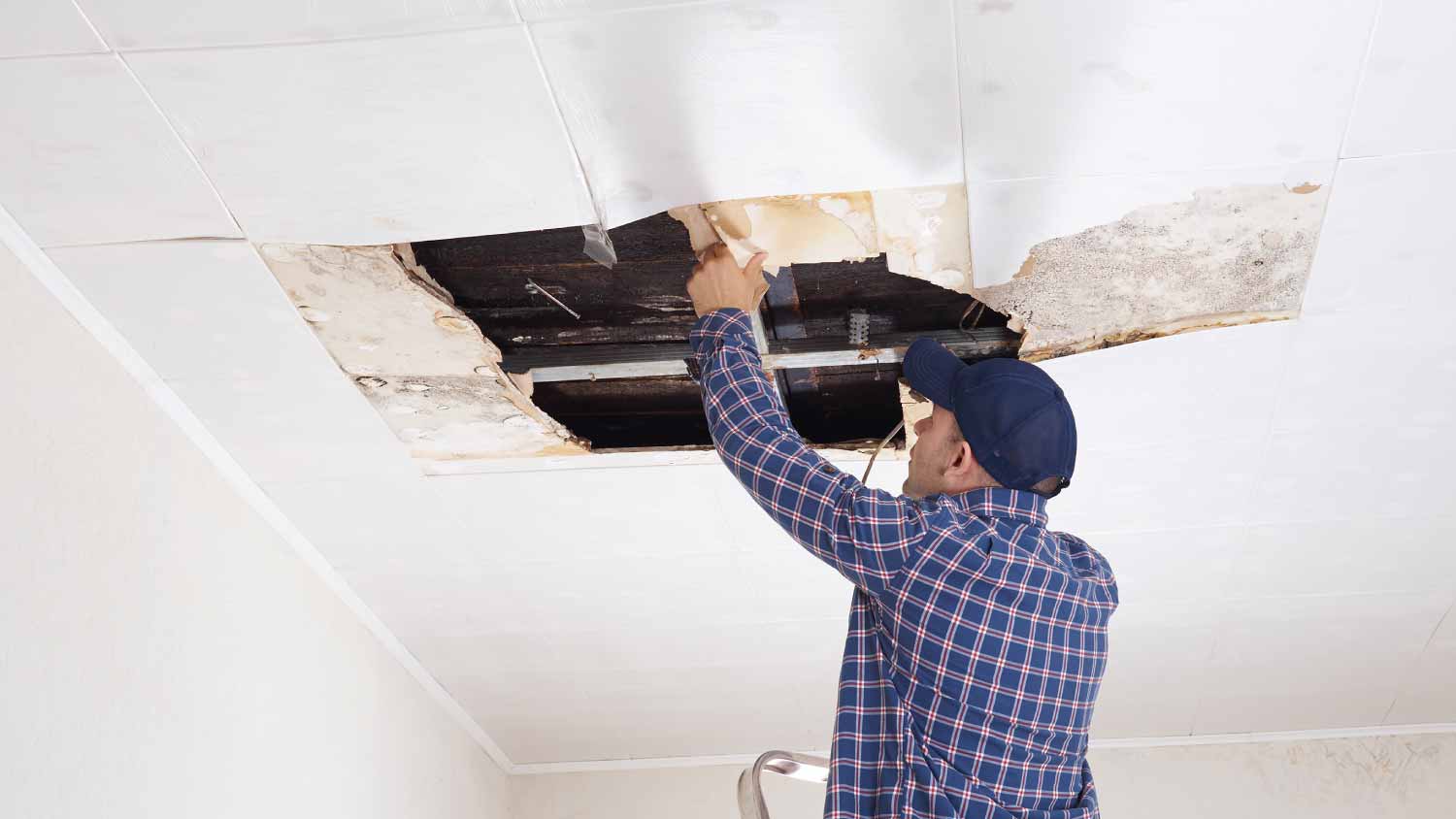
Learn the top 8 signs of water damage in drywall so you can identify water damage early, prevent costly repairs, and protect your home from further issues.

Should you repair your damaged drywall yourself or leave it to a professional? This guide breaks down the benefits to each and how to choose.
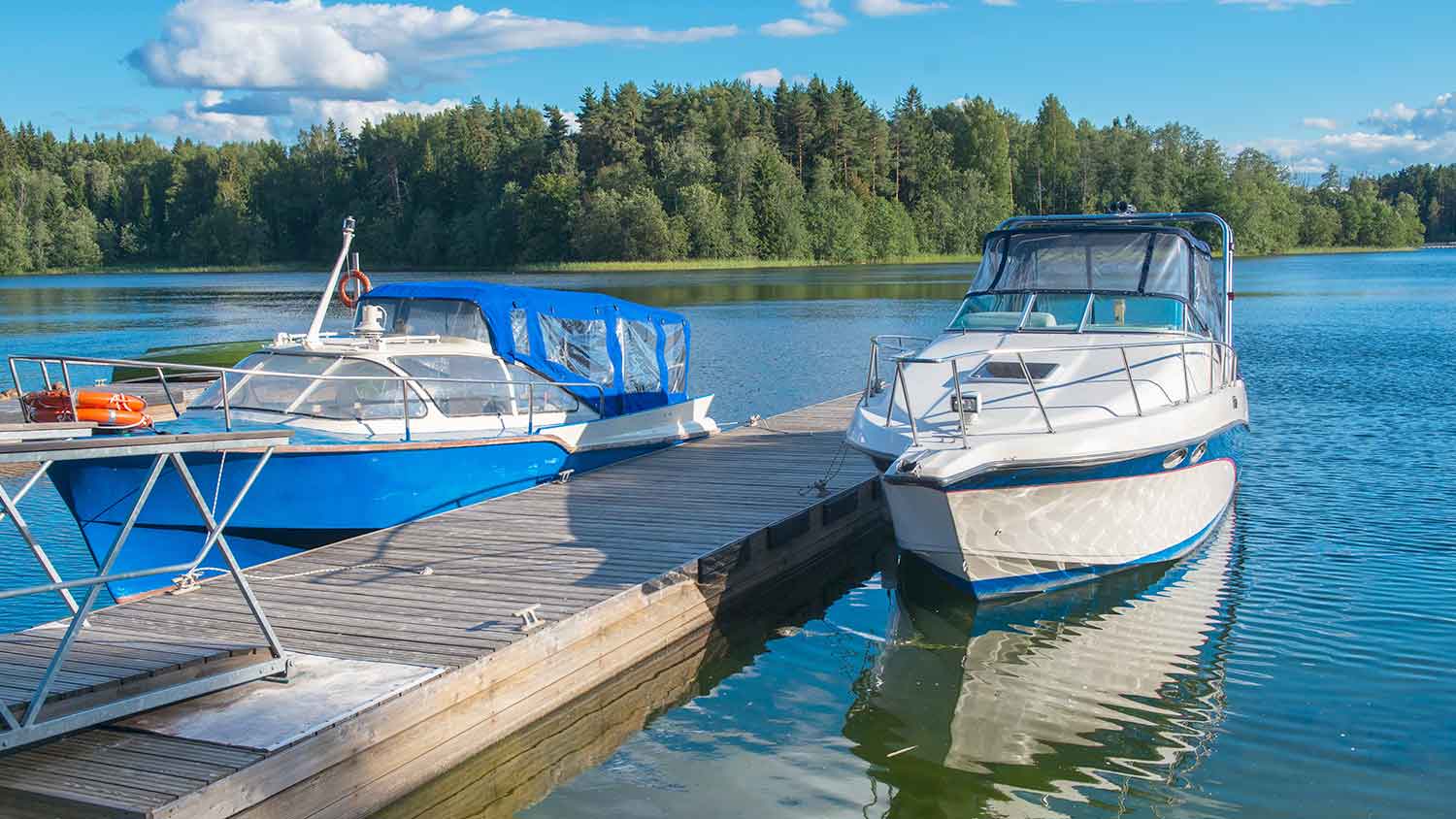
Find out what impacts boat dock repair costs and get expert tips to budget for repairs. Learn about average prices, cost factors, and ways to save.