

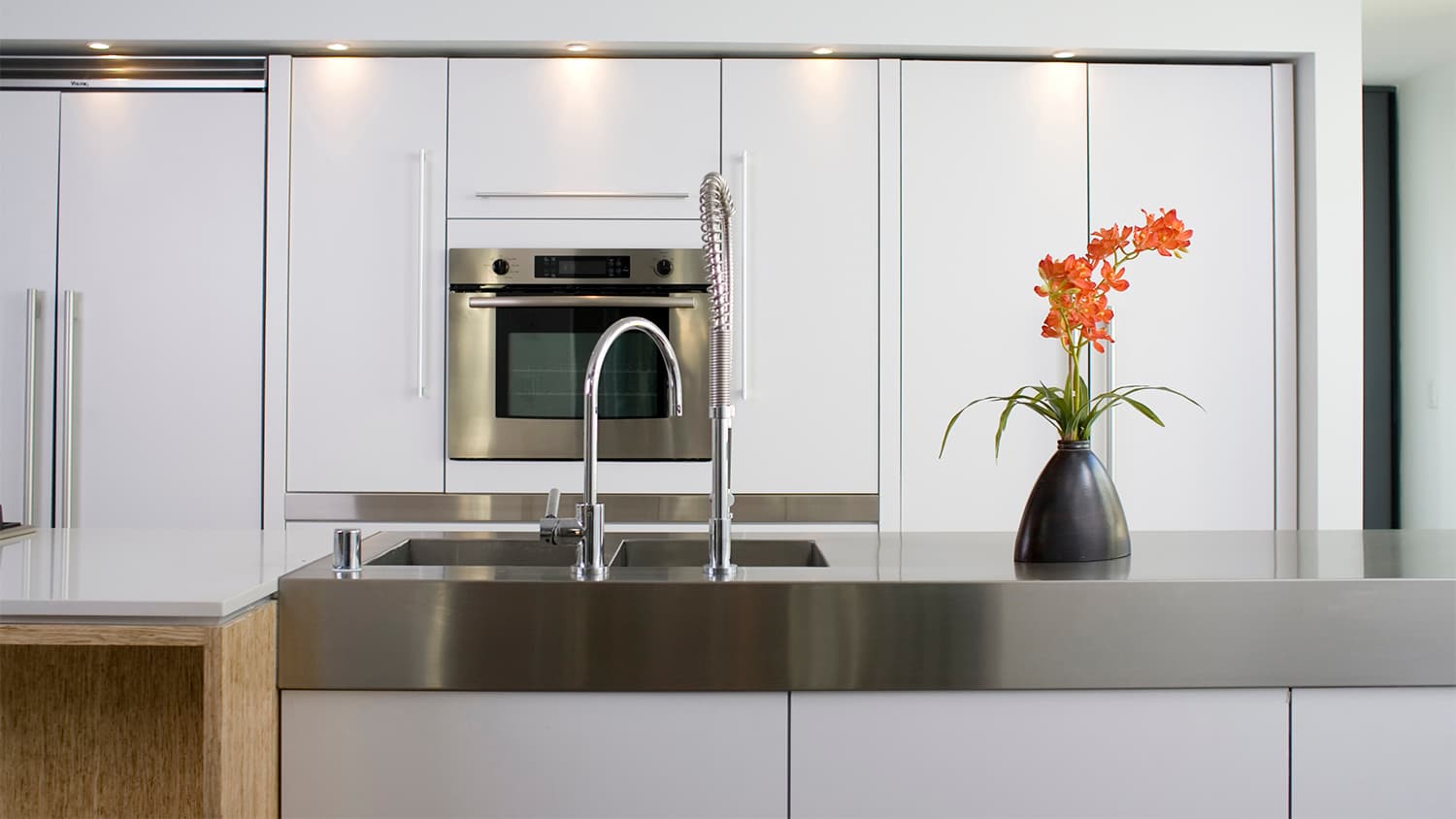
The cost of stainless steel countertops may seem shocking compared to laminate, but their durability may be worth it. Here’s how much you can expect to spend.
This unique sink style keeps it chic

Black sinks feature a thin coating over stainless steel that creates a sleek, modern look and works best in contemporary kitchens with bold design.
Expect to pay $200 to $1,500 for a black stainless steel sink and around $430 for professional installation, with premium materials adding more.
Your black sink can scratch when you wash sharp objects or drop heavy cookware, so handle utensils and pots carefully during cleanup.
Hiring a local sink installation professional ensures your new sink is properly placed and working correctly, removing the guesswork from your kitchen remodel.
If you're about to start a kitchen remodel, you're probably eyeing your sink and dreaming of better things for it. But is a black stainless steel sink the way to go? Before you decide, consider the list of black stainless steel sink pros and cons so you don't make a choice you regret.
Here are the outlet types you find in most U.S. homes:
15-amp, 120-volt (2-prong and 3-prong): The standard household outlet for lamps, TVs, and chargers.
20-amp, 125-volt: A higher-power outlet for kitchens, laundry rooms, and workshops.
240-volt (20-amp to 50-amp): A large-appliance outlet for dryers, ranges, and EV chargers.
GFCI: A shock-protection outlet for kitchens, baths, and other wet areas.
AFCI: A fire-protection outlet for bedrooms and living spaces.
Tamper-resistant: A child-safe outlet with internal shutters, now standard in new homes.
Weather-resistant: A corrosion-resistant outlet built for outdoor use.
Convenience types: Switched, combination, USB, smart, and rotating outlets.

Stainless steel sinks are made from a durable, rust-resistant metal. Most stainless steel sinks have a shiny silver coat. However, black stainless steel sinks have a thin coating over the top that changes their color from silver to black.
Compared to a basic silver sink, a black sink can make quite the statement in a kitchen. It’s sleek appearance can blend in with your counters—or stand out. Their cost is comparable to most stainless steel sinks, coming in anywhere between $200 and $1,500.
| Pros | Cons |
|---|---|
| Unique look | May scratch easily |
| Easy to care for | May not match |
| Long-lasting | Can show water marks |
For the right kitchen, black stainless steel sinks have plenty of benefits.
Thanks to its dark color, a black sink is an attention-grabber. It looks unique and perhaps more interesting than your run-of-the-mill metal-colored sink.
Usually, a black sink will look right at home in a modern or contemporary style kitchen. If you're going for a bold and sleek cooking space, it may be the right option for you.
Stainless steel isn't a fussy metal. You can clean it with soap and water and don't have to worry too much about damaging it. If stubborn marks appear, you can usually remove them with some baking soda and elbow grease.
Thanks to its rust resistance and the metal quality, stainless steel is long-lasting. You can expect your black stainless steel sink to last for decades, given the right care and attention.
Black stainless steel sinks aren't perfect, and there are a few potential drawbacks to consider.
For all its durability, stainless steel isn't exactly scratch-proof. After years of use, the sink will start to show its age. That can be particularly true with a black stainless steel sink, as the physical vapor deposition (PVD) coating can scratch easily.
To minimize the risk of nicks and scratches, be careful when washing sharp objects in the sink, such as forks and knives. Also, take care not to drop heavy pots or cookware into the sink.
Modern and sleek may not be your style. You may prefer something more traditional, such as a farmhouse-style kitchen. In that case, a black stainless steel sink just won't work.
If you have hard water, mineral deposits may build up on the surface of the sink, leaving white splotches and marks over time. You can take steps to prevent them or remove them as they appear by using baking soda to scrub away any deposits as they form.
Not sure if a black stainless steel sink is right for your space? You have a few other options—either changing the color of the sink or the material.
Standard stainless steel sink: A silver-colored steel sink is a kitchen workhorse for a reason. It blends in and complements the majority of kitchen styles and is easy to clean and durable.
Porcelain sink: Porcelain sinks can be black or a range of other colors, including white. They're durable and easy to care for, but are often much heavier than stainless steel.
Black composite sink: Composite sinks are made from a granite composite. They're sleek and stylish and last a long time. They cost less than pure granite sinks but tend to weigh a lot and may be damaged by common cleaners, such as bleach.
Black granite sink: Pure granite sinks are a rarity, due to their price and the complexity involved in carving a sink from a lump of granite. If you want the Rolls Royce of black sinks in your kitchen, this is the one to choose.
When deciding on a black stainless steel kitchen sink, the primary consideration is your cooking space's style. As mentioned, a black stainless steel sink can make a bold statement and really stand out in your kitchen. If that works for your aesthetic, then this may be the right sink for you.
If you decide to go forward with a black stainless steel sink, work with a local, professional sink installation company. A pro sink installer will ensure your new sink is properly placed and working as it should.
Jason has helped me with multiple household projects, with the most recent being new door installation. He has always showed up on time and organized and has done an incredible job! Jason is very professional and he's now my go-to for anything around my house that needs to be fixed or...
 Huff Garage Rescue, LLC
Cole has been handling plumbing and general contracting for our four properties over the past three years, and he’s always done a great job. Most recently, he installed a sink and countertop in our retail store where none existed before, and it turned out exactly how we needed. He’s...
 ANB Renovations LLC
1st Choice Renew is simply the best! We hired them for a complete home renovation, and they transformed our space into something truly amazing. The team attention to detail and commitment to quality were evident throughout the project. They were easy to work with, very responsive, and always...
 Save A Dime
This company went above and beyond with their work, chimney sweeps are usually pretty messy, but the clean up was spot on.!! Josh explained every thing that he was doing, and the things that he was checking to make sure the chimney was safe for me and my family. He was very professional,...
 Supreme brick & chimney
Custom Paint Jobs LLC turned our outdated bathroom into a modern masterpiece.
 Custom Paint Jobs, LLC
Excellent customer service and knowledge. I was recommend to him from my neighbour. My front door and window came in great and were installed beautifully perfectly, I m very satisfied with their excellent work, so decided to order one more big bow window for my living room. I cant wait for...
 Window Depot USA of Central Ohio
If I could give 10 stars for Kitchen Tune Up, I would. I cannot say enough good things about my experience with Kitchen Tune Up and the entire team involved in the process of my kitchen project. They went above and beyond as far as service and quality with my cabinets, paint, countertops, and...
It was wonderful working with Yordy and his team. They were very professional and are experts in what they do. They have completed the work on time, with better quality and with in fairly reasonable price. We just started with backsplash work , but liking his work, we went on to provide...
 Flooring Solutions
We were having 2”x 2” tile installed . There was a small installation error and the new additional replacement tile was from a different lot and the colors didn’t match. Joe assured us that he would rectify everything , which he did without hesitation. We decided to go with the 18” x 36” tile...
 CarifaTile
They work that 360 did on my kitchen cabinets is nothing short of amazing. I still cannot believe the difference from before and after. Jon and Jeff were both so incredibly professional throughout the whole process and their communications with me were constant and consistent. These guys...
 360 Painting Columbus
From average costs to expert advice, get all the answers you need to get your job done.
The cost of stainless steel countertops may seem shocking compared to laminate, but their durability may be worth it. Here’s how much you can expect to spend.
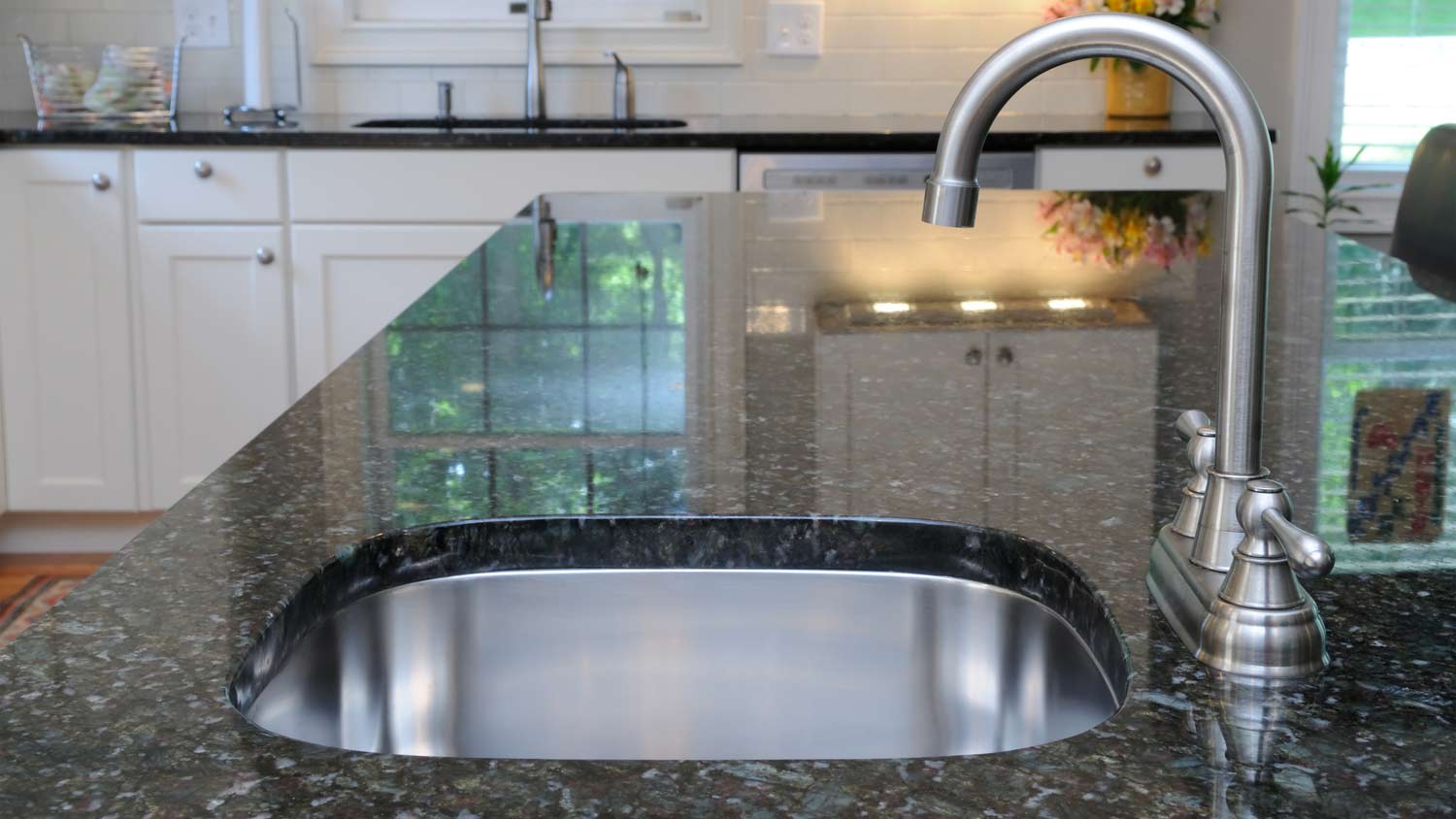
When considering a granite composite sink vs. stainless steel sink, each material has distinct benefits. Use our tips to determine which one you should install.

Discover the differences and similarities between a cast iron sink vs. stainless steel sink to help make the best kitchen remodeling decisions.
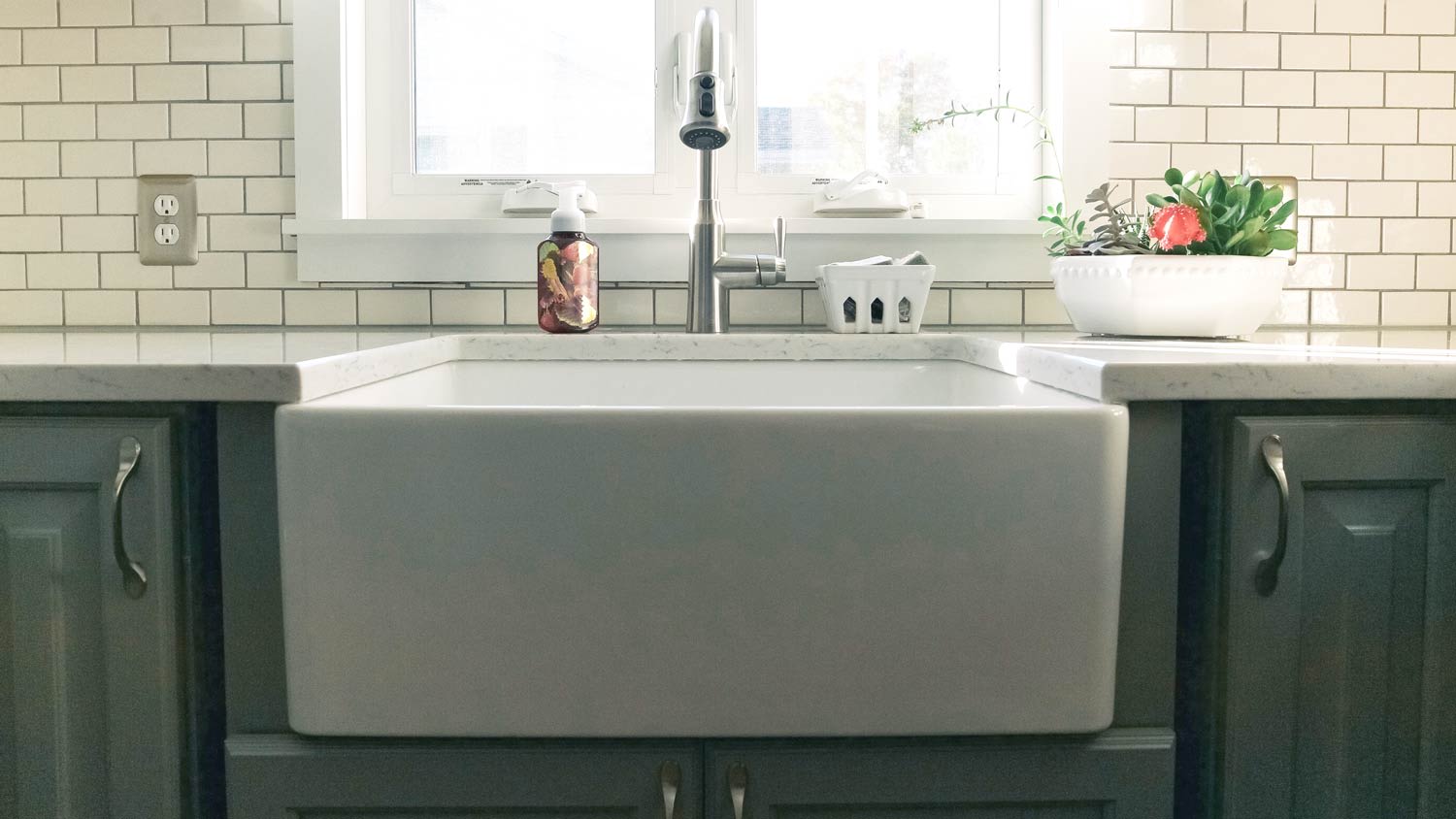
When it comes to fireclay vs. stainless steel sinks, the biggest differences are in style and price. Explore all their features.

Stainless steel sinks are a popular choice for many homeowners, especially because they are easy to clean and maintain. With some due diligence, you can keep your sink sparkling. Follow these simple tips to care for a stainless steel sink.

Looking for the best kitchen sink materials? We’ve got you covered. Here’s a comprehensive list of kitchen sink materials and how they measure up.