
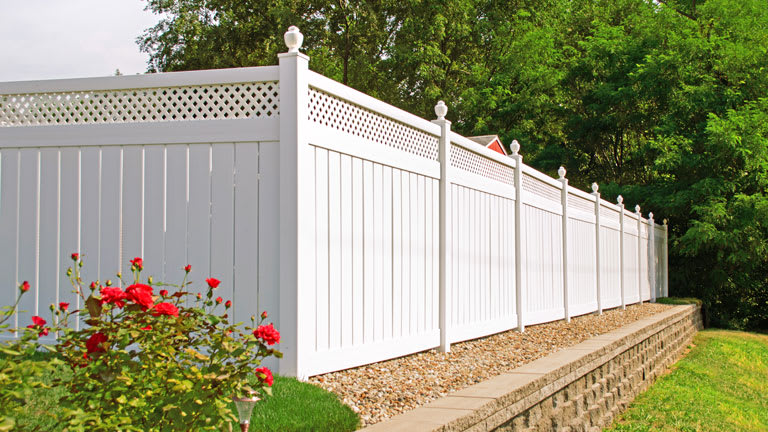
How much a vinyl fence costs depends on its length, height, style, and whether you pay for labor. Learn more about the true cost of vinyl fencing.
Compare vinyl and wood fencing side by side to find a winner for your yard

Vinyl fences resist rot and pests without maintenance, while wood fences offer natural beauty but need regular sealing and staining to prevent weather damage.
Wood fences cost $1,920 to $4,820 for installation, while vinyl fences run $3,000 to $7,000, making wood the more budget-friendly upfront choice.
Vinyl fences last decades with minimal upkeep, but wood fences need fresh paint or stain every few years and last only 15 to 20 years with care.
Hiring a local vinyl fence installation professional keeps your fence installation secure and level, whether you choose vinyl panels or wood boards for your yard.
If you’re in the market for a new fence, chances are you’re thinking about safety for the kids and pets, adding privacy, or just sprucing up your property for some added curb appeal. Regardless of your reasoning, finding a sturdy, reliable fence that looks attractive and matches your budget requires some comparison shopping.
Wood and vinyl fences may be two of the most popular fence options, but before you take your pick, it’s worth considering the long-term costs, maintenance needs, and durability of each. Vinyl offers low-maintenance perks, but wood might require a little more TLC. So, you’ll want to understand the difference between wood and vinyl fences to find the best choice for you. Let’s dive into the pros and cons of each to help you find a winner.

Choosing the right fence can do wonders for your home’s curb appeal and, in turn, increase your property value. Whether you’re looking to add some much-needed privacy and security or give your home a fresh, well-maintained look, a great fence not only marks your property line and defines your boundaries—it can make your home stand out and catch the eye of potential buyers.
| Vinyl | Wood |
|---|---|
| Made from polyvinyl chloride (PVC) | Made from many different types of wood |
| Low maintenance requirements | High maintenance requirements |
| Resists rotting, warping, and insect damage | Needs special treatment to enhance durability |
| Unnatural look | Offers a timeless, natural aesthetic |

Vinyl, which consists of PVC, has many benefits to homeowners when used as a fence material.
| Vinyl Fences Pros | Vinyl Fences Cons |
|---|---|
| Low maintenance | Expensive |
| Offers privacy | Prone to sun damage |
| Customizable | Less sustainable |
Best for:
Laid-back homeowners
Design lovers
Homes in cooler climates
Considering installing a vinyl fence? One of the first factors any budget-conscious homeowner will want to consider is price. Vinyl is one of the best types of fences because it is easy to keep in good shape, especially since it’s pest- and rot-resistant. You can keep it clean by wiping it down or spraying it with a hose.
This fence style is also great for homeowners seeking more privacy in their homes. When the vinyl fence panels are installed close together, this material effectively blocks wind or sounds from noisy neighbors. Want to balance cost, privacy, and the perfect look to complete your yard? Another benefit to vinyl is that it is incredibly customizable with different colors, shapes, and textures. A professional vinyl fence installer near you can help you create the perfect option for your yard.
You will also want to weigh these cons of vinyl fences before moving forward with your fence installation plans. To start, this isn’t the most sustainable option and can cost you more than other materials. Since vinyl is made of plastic, it’s not considered an environmentally friendly fence material. Vinyl is more expensive than other options, like wood. You can expect to pay between $3,000 to $7,000 for a vinyl fence.
If you live somewhere with lots of warm, sunny days, you may also want to reconsider vinyl. Over time, exposure to high heat and sunlight may cause vinyl to become brittle and impact the lifespan of a vinyl fence.

Wood fences have been around for hundreds of years, and it’s no wonder they are still popular today. Here are the pros and cons to consider when fence shopping.
| Wood Fences Pros | Wood Fences Cons |
|---|---|
| Versatile | Weathers quickly |
| Cost-effective | High maintenance |
| Sustainable | Less longevity |
Best for:
Eco-friendly homeowners
Homeowners on a budget
DIYers who can commit to regular upkeep
One of the main benefits of installing a wood fence in your yard is its versatility. Wood can offer charm or a modern touch, depending on the style and how you paint or stain your fence. With many different types of wood, this fencing material has plenty of options to suit your home’s aesthetic. Wood is a biodegradable material, meaning it’s a more environmentally friendly option than plastic materials, so this lack of longevity may be worth the trade-off to homeowners focused on sustainability.
Despite how versatile this fencing option is, wood fences are less expensive to build than vinyl fences. A wood fence costs between $1,920 and $4,820.
While wood has its pros, it does have some vulnerabilities. One of the most significant issues with wood is that this material is susceptible to decay, rot, and warping due to weather damage. You can apply a sealant to your wood fence to minimize the weathering risks. To keep a wood fence looking clean and fresh, you must perform regular upkeep, including washing the fence. So, how long does a wood fence last? Despite all that maintenance, wood fences still have a relatively short life span of around 15 years. Before you invest in any fence, it's worth checking if your home insurance policy includes coverage for fences.
Wood and vinyl fencing have several differences that impact which option is best for your yard. Luckily, you can use this side-by-side comparison to determine the right fence material for you.
Both wood and vinyl fencing can look sleek, modern, rustic, or anything in between. Both types of fencing are available in a range of tones and textures to suit your style. If you want a more natural look, you might opt for wood. Vinyl fencing may work better for a modern aesthetic.
Some of the most popular woods for fences include cedar, pine, redwood, spruce, fir, and wood fences, which can be stained or painted. They can also be arranged in a number of ways, both vertically and horizontally, to achieve a certain look or provide more privacy.
While wood has a lot of custom options, vinyl is even more versatile. This material is manufactured in many different shades, shapes, and textures. You can even find vinyl fences that resemble wood, iron, stone, or other materials.
If you want a fence that can stand up to the outdoor elements, opt for vinyl. Wood requires more upkeep to help it withstand fading from harsh sunlight or warping from wet conditions. On the other hand, vinyl fencing is designed to prevent rotting, warping, decaying, chipping, and fading without any additional upkeep.
Wood fences cost about $11 to $45 per linear foot for professional installation. The cost to install vinyl fences professionally starts off a little higher, at about $15 to $40 per linear foot.
For DIY installation, wood is a less expensive material at $1 to $10 per linear foot, while vinyl costs about $10 to $30 per linear foot. Vinyl fences may have a higher up-front cost, but this material offers a longer lifespan.
Wood has a slightly higher ROI of 60% on average, but vinyl’s ROI of 30% to 40% is still pretty impressive. Wood’s aesthetic appeal goes very far in increasing its ROI, but don’t be fooled by looks alone. If a wood fence is poorly maintained, it will not increase your ROI and may actually detract from your home value overall.
Both options can be installed by homeowners with some DIY experience, although it’s best to hire a fence installation pro to ensure your fence is installed securely in the ground and the panels are even.
You can purchase vinyl fences in kits for easy installation, but they require more care to ensure each piece is aligned. Misaligned panels are easier to spot with a vinyl fence compared to a natural material, like wood.
Fence gates are heavy and cumbersome to install. It’s all too easy to make a small mistake and ruin the integrity of your fence during a DIY installation. Hire a fencing pro to ensure a sturdy installation done right.

Both vinyl and wood fences will need repairs over time, but neither material should be too difficult to fix. It’s simple to replace a single board in a wood fence, and a loose piece of vinyl fencing may snap right back into place. But you can expect to make more repairs with wood fences since this material is susceptible to weather damage.
Vinyl is a popular fence option because it is easy to maintain. With wood, you may want to add a sealant every few years to slow weather damage. Wood fences with stain or paint will also need fresh coats of paint every few years to look their best. Vinyl is extremely easy to take care of—you can spray it down with the garden hose when it looks dirty.
Even a high-quality, well-maintained wood fence will likely not outlive a vinyl fence. With proper care, vinyl fences can last decades. Without maintenance, a wood fence may last only five years. With excellent upkeep, wood fences will last about 15 to 20 years.
When it comes to sustainability, wood is the clear choice. As long as it isn’t treated with a pest—or rot-resistant coating, wood is naturally biodegradable. Although vinyl fences may last longer, the manufacturing process produces dioxins, an environmental pollutant, and this material can leach chemicals into the environment.
A reliable team for moves across state. My switch to a new place needed careful lifting through tight hallways. The movers checked the doorway first, then carried heavier pieces with slow, controlled movements. Their patience helped prevent damage, and I?d choose them again.
We have used Window Warriors many times with no issues. They arrived on time and were very professional . We have pets and Window Warrior team treated them very well, well trusted team.
 Window Warrior of Columbus, Inc.
We have bought and sold numerous times over the past 50 years. Sherman Hall and Top Line are top notch. Thorough and detailed, he explains every possibility, probability, and eventuality. High class and pleasant. The best.
 Top Line Home Inspections, LLC
Our homes curb appeal skyrocketed thanks to Custom Paint Jobs LLC s exterior painting.
 Custom Paint Jobs, LLC
Window Depot did an amazing job on my deck. I wasnt sure what I wanted to do, but their composite decking was affordable and will last a long time. I am excited to have family over, and I am no longer embarrassed by my backyard. Jeff and the ground crew were polite, respectful, and caring for...
 Window Depot USA of Central Ohio
Storms Mobile Welding was great to work with. They were prompt, professional and did an overall excellent job on the project. I highly recommend.
Great job...edging and pre clean up went well with a great job with seal coat. Friendly, efficient and professional.
 All Star Paving and Sealing
Did an amazing job transforming my yard. Also installed sod in places, would recommend to everyone.
 Cardinal Landscaping & Construction LLC
We hired Andrew and the team from Midwest Lightscapes for a custom lighting design and installation on a Victorian Village home. The house had outdated low-voltage halogen outdoor lights and many of them were not working. Andrew designed and installed a new system including uplighting on the...
 Midwest Lightscapes
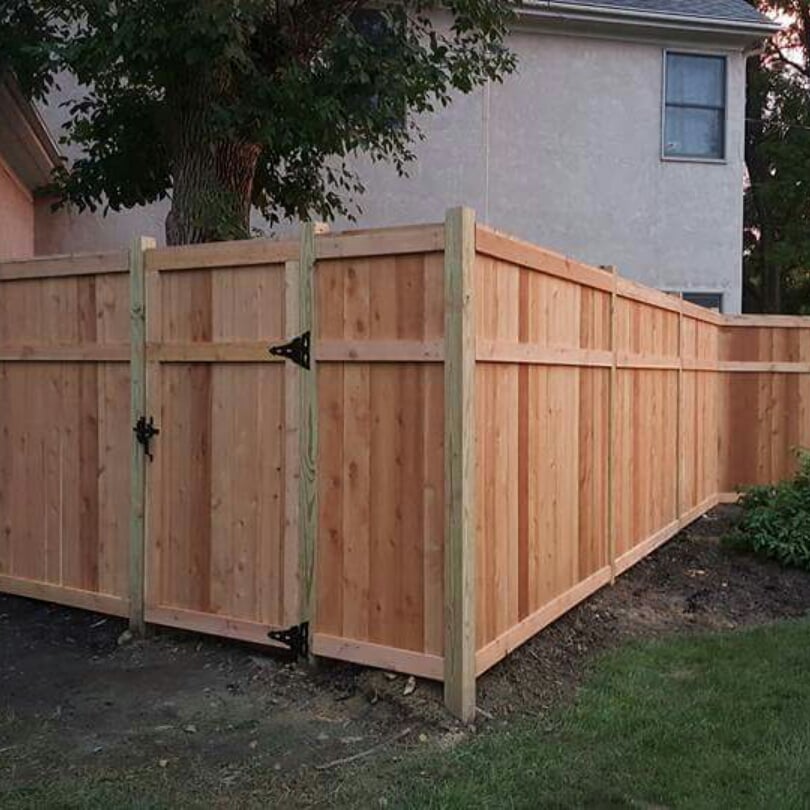
The work was completed in a day and a half. They cut small trees, pulled out an old swing set, pulled out railroad ties and left the place spotless when the job was complete. I am very happy with the fence and their efforts were above and beyond my expectations.
 Elite Fence
From average costs to expert advice, get all the answers you need to get your job done.
How much a vinyl fence costs depends on its length, height, style, and whether you pay for labor. Learn more about the true cost of vinyl fencing.
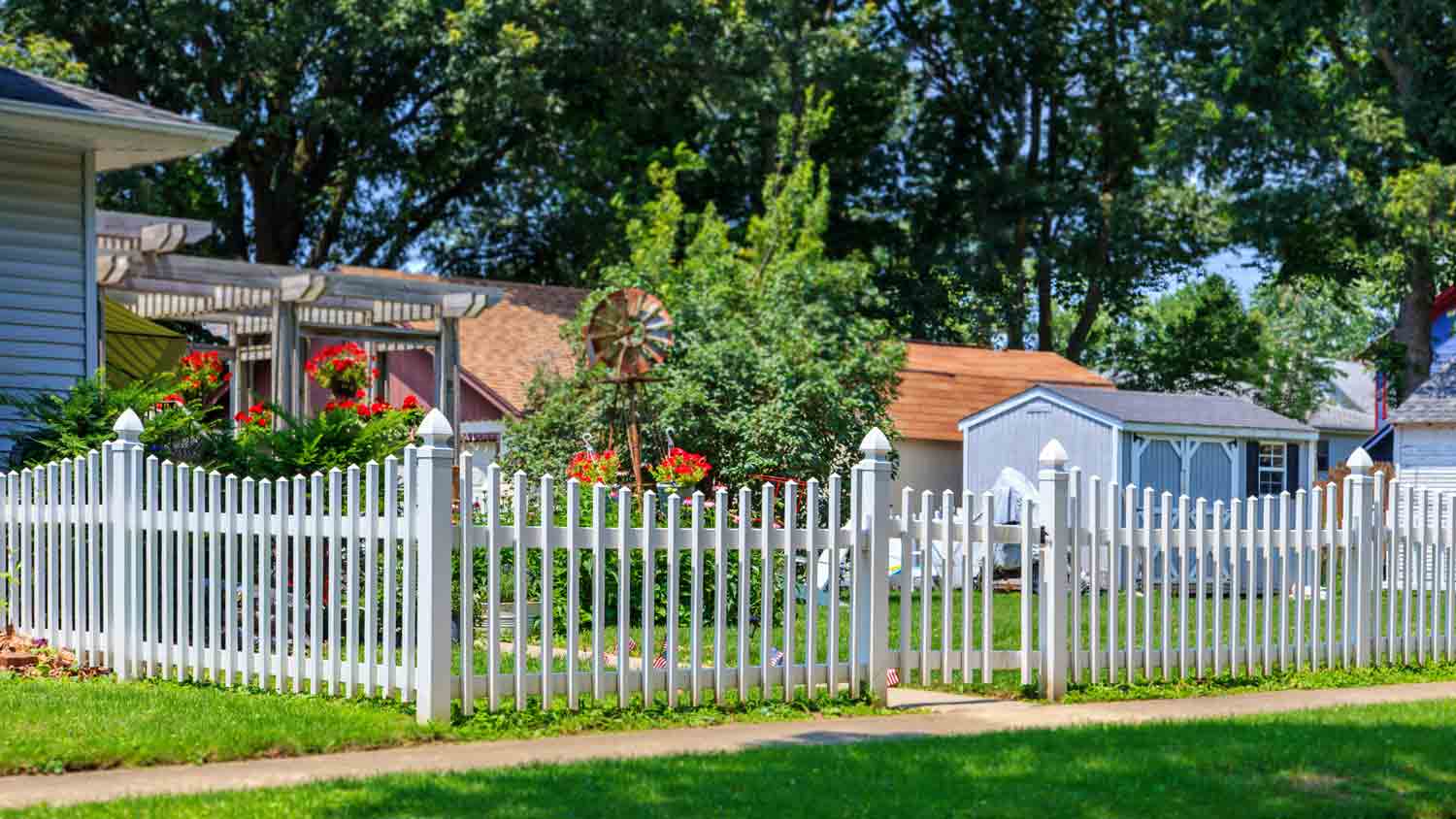
What's the difference between a composite vs. vinyl fence? Review the pros and cons of each to see what's right for you.
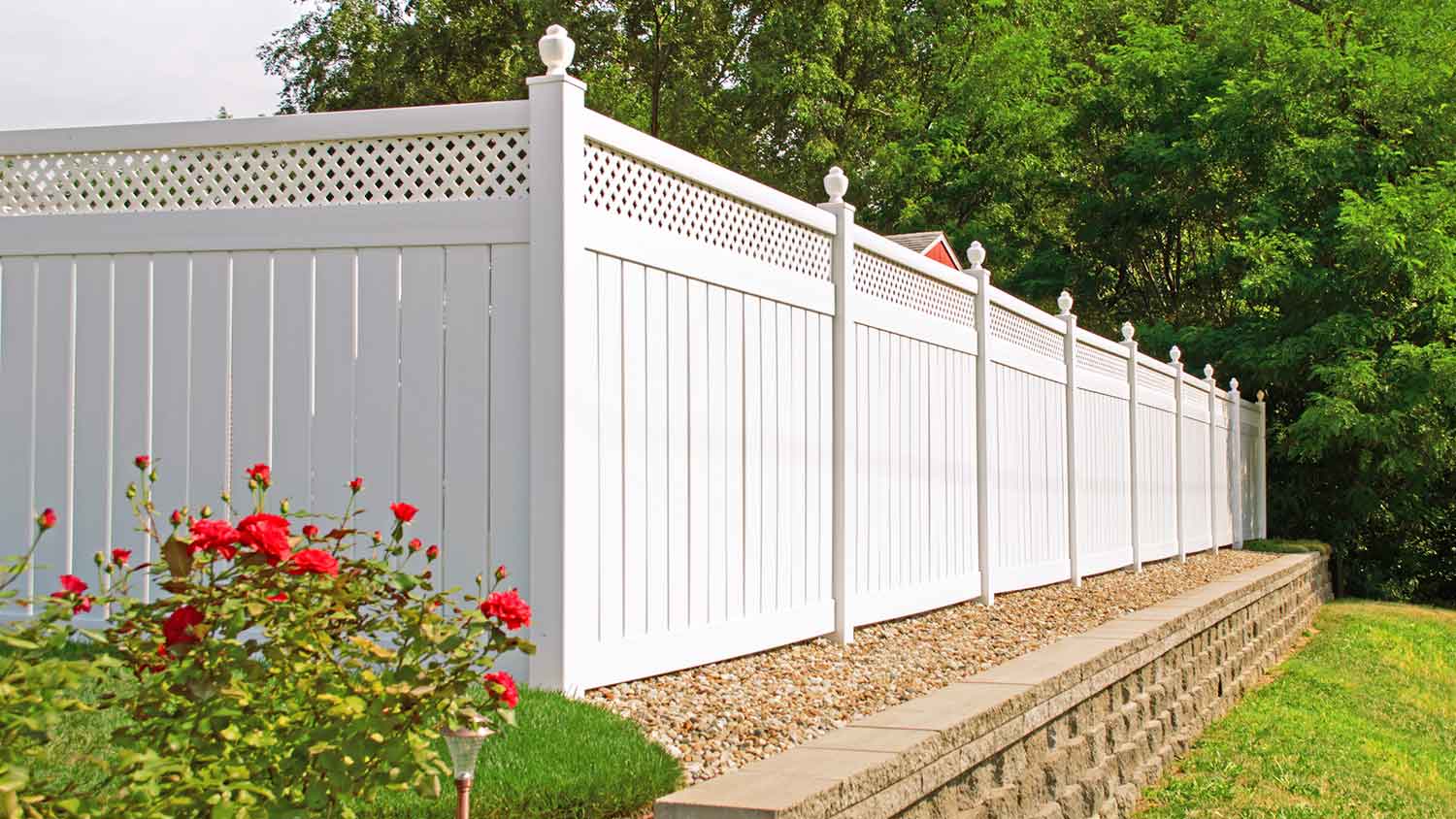
If you’re investing in a fence, you should carefully weigh the pros and cons of vinyl fencing. While it has many advantages, it comes at a higher cost, too.

Comparing vinyl vs. aluminum fencing is a question many homeowners consider when installing a new fence. Here's how to narrow down your choice.
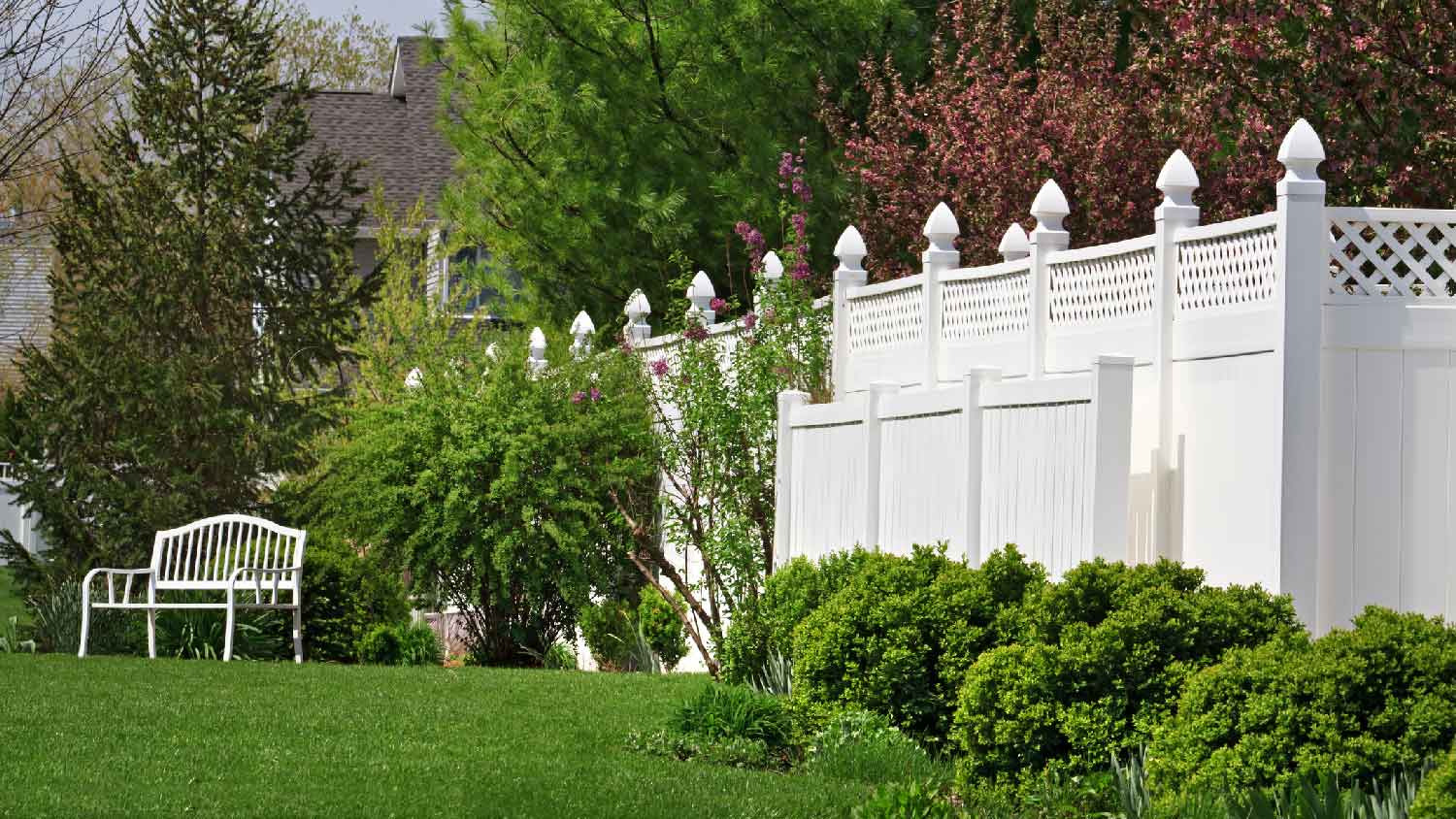
Choosing a vinyl, PVC, or plastic fence offers benefits over wooden fencing, like improved durability. Learn about the many types of vinyl fencing available.
Wondering who to hire for vinyl fence installation? Learn which fence contractor to call, how pros get it done, and what to expect. Start here.