

If your dishes aren’t getting as clean as you’d like them, there are a surprising number of causes. Find out if you need to rinse your dishes before putting them in the dishwasher or if you’re just wasting time and water.
Your dishwasher is a lifesaver, but it can't wash just anything, and certain items can be destructive to put in the dishwasher

Stainless steel pots and pans are dishwasher safe and won't warp or rust, while cast iron, aluminum, copper, and nonstick cookware need hand washing.
Your nonstick pans lose their coating in the dishwasher over time, and cast iron skillets rust when exposed to moisture and harsh detergent during wash cycles.
The right choice depends on your cookware material, with stainless steel handling dishwasher heat while seasoned or coated pans require gentle hand washing for longevity.
Hiring a local dishwasher repair professional provides reliable support when you notice damage to dishes or cookware, keeping your appliance running smoothly for years.
The dishwasher can seem like the perfect solution to many problems. After all, we’ve learned over the years that we can put sink brushes and sponges, toothbrushes, and baby bottles in the dishwasher. But even the magical dishwasher has certain limitations, and attempting to wash some items this way can damage the item itself, the dishwasher, and the other items in the machine. Use these tips to double-check yourself before throwing just anything into the dishwasher. There are different ways to achieve that same squeaky clean and avoid unnecessary repair costs.

Your restaurant-worthy chef’s knife deserves better than the harsh environment of the dishwasher. These instruments shouldn’t be exposed to hot or wet environments for the full length of a dishwashing cycle. Most knives can be cleaned with a simple suds and rinse, and if you have to use a harsher soap after cutting meat or other messy jobs, consider oiling your knife afterward. Not only can a dishwasher dull and damage your knife, but the knife can also get jostled around by the dishwashing cycles. You don’t want it to slip through the rack and damage your other dishes or get caught in the dishwasher parts themselves, costing you a new dishwasher.
Anything with a motor, batteries, or other electronic parts should never be placed in the dishwasher, because the moisture will ruin the appliance. This is also true for breast pumps and bottle warmers–you should only be dishwashing approved removable parts, such as a flange, and never any parts of the pump with a motor. People have also tried to disinfect high-touch electronics such as mouses and keyboards, all of which will be ruined by high heat, soap, and water. Instead, simply use an electronic-approved disinfecting wipe or a similar spray and microfiber drying cloth.
You don’t realize it until you have a kitchen full of bubbles, but you can’t wash anything that may contain other types of soaps, especially dish and bath soaps. For example, say you wash a cup that contains some hand washing dish soap. This soap isn’t suitable for the dishwasher because it creates foamy suds that multiply until you have a soapy flood. Items that could be saturated with bath soaps or bubble bath, such as a loofa, also shouldn’t go through the machine. Sponges are commonly thought to be safe to wash, but this isn’t true if they could have other soaps lurking inside from previous use.

Your favorite cutting board will come out completely warped after just a few washes in the dishwasher. The water and heat will lead to cracks, which allow moisture to seep into the wood. Instead, hand wash this with soap and water after each use and be sure to dry it immediately. This also applies to other wooden cooking utensils, spoons, trays, and more. Don’t let your grandma’s treasured wooden rolling pin become a victim of the dishwasher.
If you don’t know what your pots and pans are made of, it’s time to check. The following types shouldn’t go in the dishwasher: cast iron, aluminum, copper, and nonstick. Your favorite nonstick pan that barely needs any cooking spray won’t stay pristine for long after repeated use in the rough dishwasher environment. There are some exceptions for those labeled dishwasher safe. Similarly, copper pan finishes will eventually erode in the dishwasher. Your perfectly seasoned cast iron skillet could rust and become unusable after a run in the dishwasher. Instead, rinse it while scrubbing gently, and always avoid dish soap.
Fortunately, you aren’t destined for hours of hand-washing. There are some surprising items that can be cleaned in the dishwasher that many people don’t think of. Always check an individual item’s instructions or manual first, but here are some tips to try out the next time you put in a load of dishes:
Baseball hats (on the top rack)
Silicone Oven Mitts (on the top rack)
Microwave turntables and fridge shelves
Hairbrushes (without wooden bristles) and hair accessories
Plastic toys and teething rings
Golf balls
Small trash cans
Pet dishes, leashes, and other gear
Globe light fixtures
Drawer organizers
Manicure tools
Shin and mouth guards
Rubber boots and flip flops
Cupholders from your car
Positive experience. As previously stated, the replacement/repair could not be completed (no fault of the plumbing tech) b/c misinformation was rec?d by property management maintenance. Thanks to the plumbing tech for your efforts. Appreciate you!
 The Waterworks
Carpet repair done well. Scheduling was easy. Showed up on time.
 BR Flooring Installation
As usual with ECO, tech Jordan was outstanding, very professional, very knowledgeable, and very thorough with repairs made to tankless water heaters. Very highly recommend ECO!!!
 Eco Plumbers, Electricians, and HVAC Technicians
I would recommend this company to anyone! He showed up on time, was friendly, completed a very difficult repair on our dryer vent cover, was responsive, and pricing was extremely fair and competitive. I would have him back to do any of our repairs or cleanings without hesitation!
 U.S.A. Dryer Vent, LLC
Everything from initial contact to completion was absolutely top notch. We contacted the business during off hours to leave a message, and the owner still reached out to feel out the issue within minutes. We were scheduled and repaired within 48 hours. I cannot say enough about the...
 Supreme brick & chimney
Ace Fireplace Services came to the rescue for my chimney repair. They were quick to pinpoint the issue and worked their magic to fix it. My chimney is now in excellent shape, and I'm a satisfied customer.
 Ace Fireplace Services
On Sunday 2/26 I requested quotes via Angi from 4 refrigerator repair businesses. Northwest Appliance responded to me Monday morning (2/27) and my refrigerator was repaired by noon the same day. Great communication, they did everything they said they would. The technician had the parts on...
Excellent! We were very satisfied with the service provided and the entire experience from start to finish. Very friendly and professional staff. I was able to instantly get in contact with them for a quote and the response time and overall communication remained quick and easy throughout the...
 Prime Cleaning Service
Description says they handle window repair including rotten hardwood - they called me back right away but didnâ t leave a voicemail. I followed up 3 days later and they said they donâ t do that kind of work.
 Window-Gurus
I needed reliable, affordable help the day of with moving a couple of appliances and misc items. It was a relief to hear back from Tanzillo almost instantly that morning so I could stop looking and move on to plan and prepare. Every part of the move was friendly and professional. Next time I...
 Tanzillo Concrete & Landscape
From average costs to expert advice, get all the answers you need to get your job done.
If your dishes aren’t getting as clean as you’d like them, there are a surprising number of causes. Find out if you need to rinse your dishes before putting them in the dishwasher or if you’re just wasting time and water.
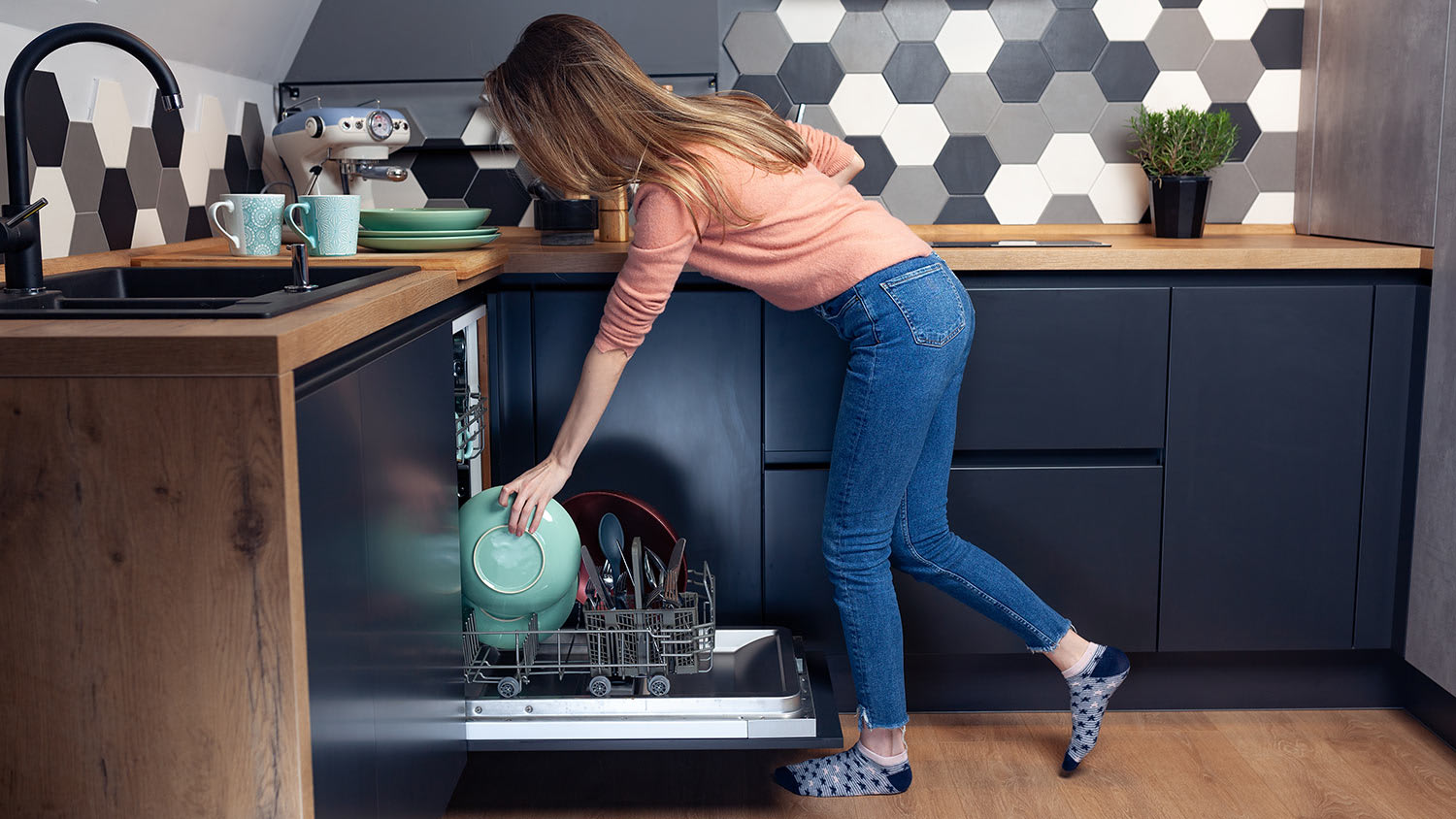
Deep cleaning your dishwasher seems needless, right? Wrong. Follow this guide to help clean your dishwasher to keep it functional and efficient.

If your dishwasher keeps needing repairs, chances are you might be doing something wrong. Here is everything you need to know about how to avoid dishwasher repair and how to properly care for your machine, from the racks to the spinning arms.
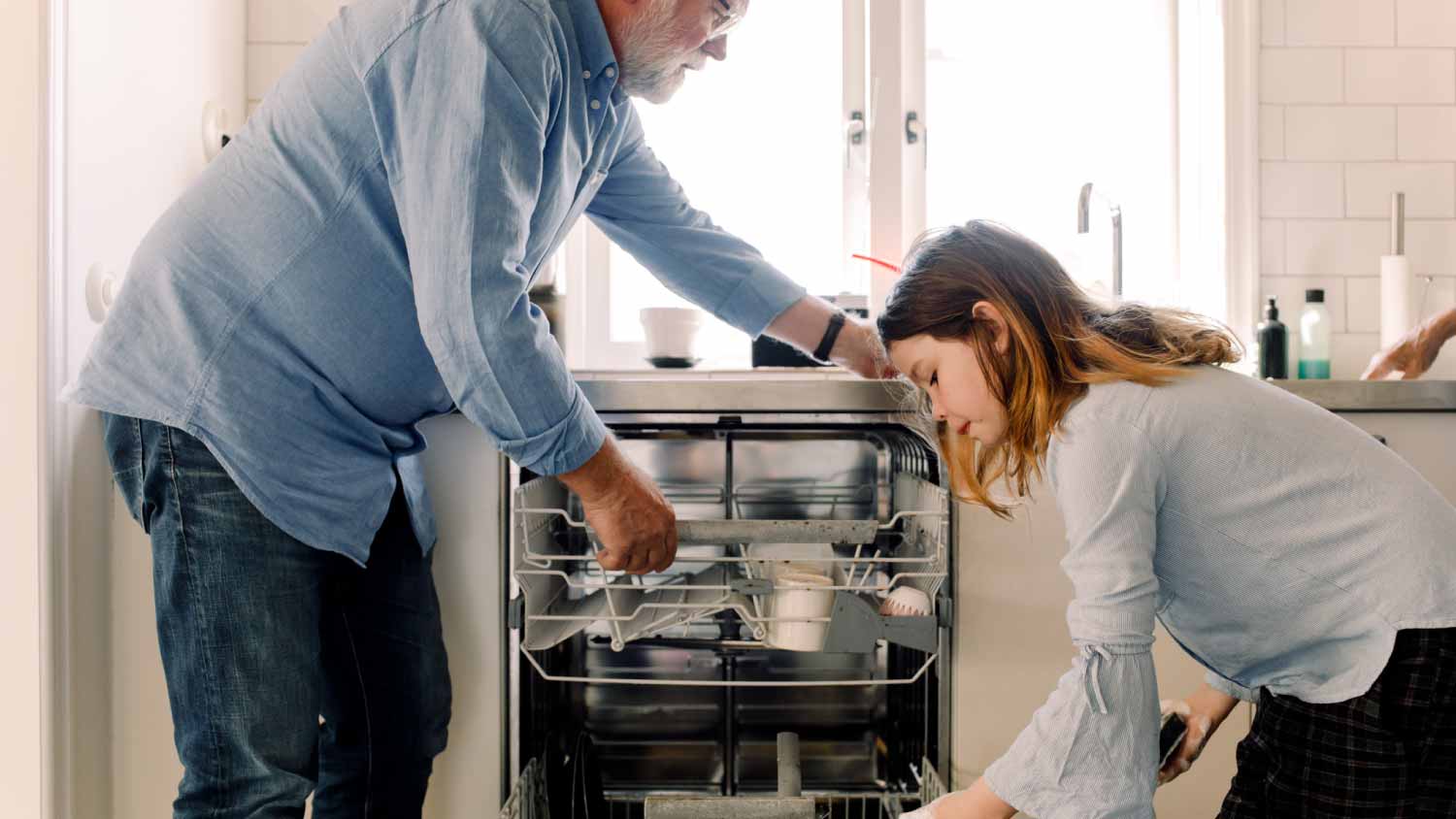
Is your dishwasher not cleaning properly? This may happen for a few reasons, including a dirty filter or broken inlet valve. Learn how to troubleshoot your dishwasher cleaning problems.
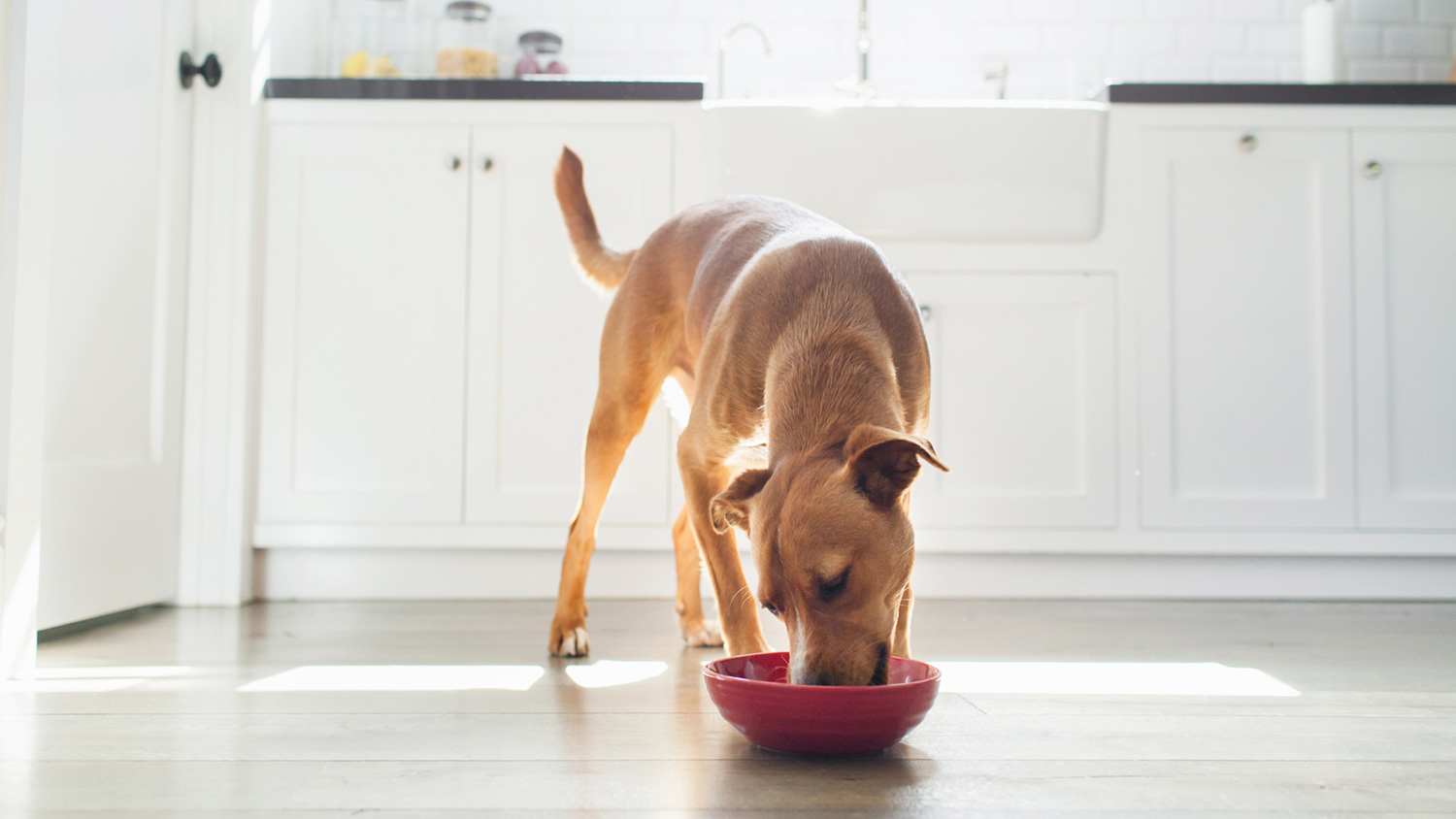
A dishwasher can clean so much more than dishes. Among the many surprising things you can load it up with includes dog bowls, hub caps, and bathroom accessories. Here’s our guide to all the unexpected items your dishwasher can disinfect and deep clean.

The major appliances in our homes keep things running smoothly. These 17 tips for cleaning appliances will help keep them in good working order.