
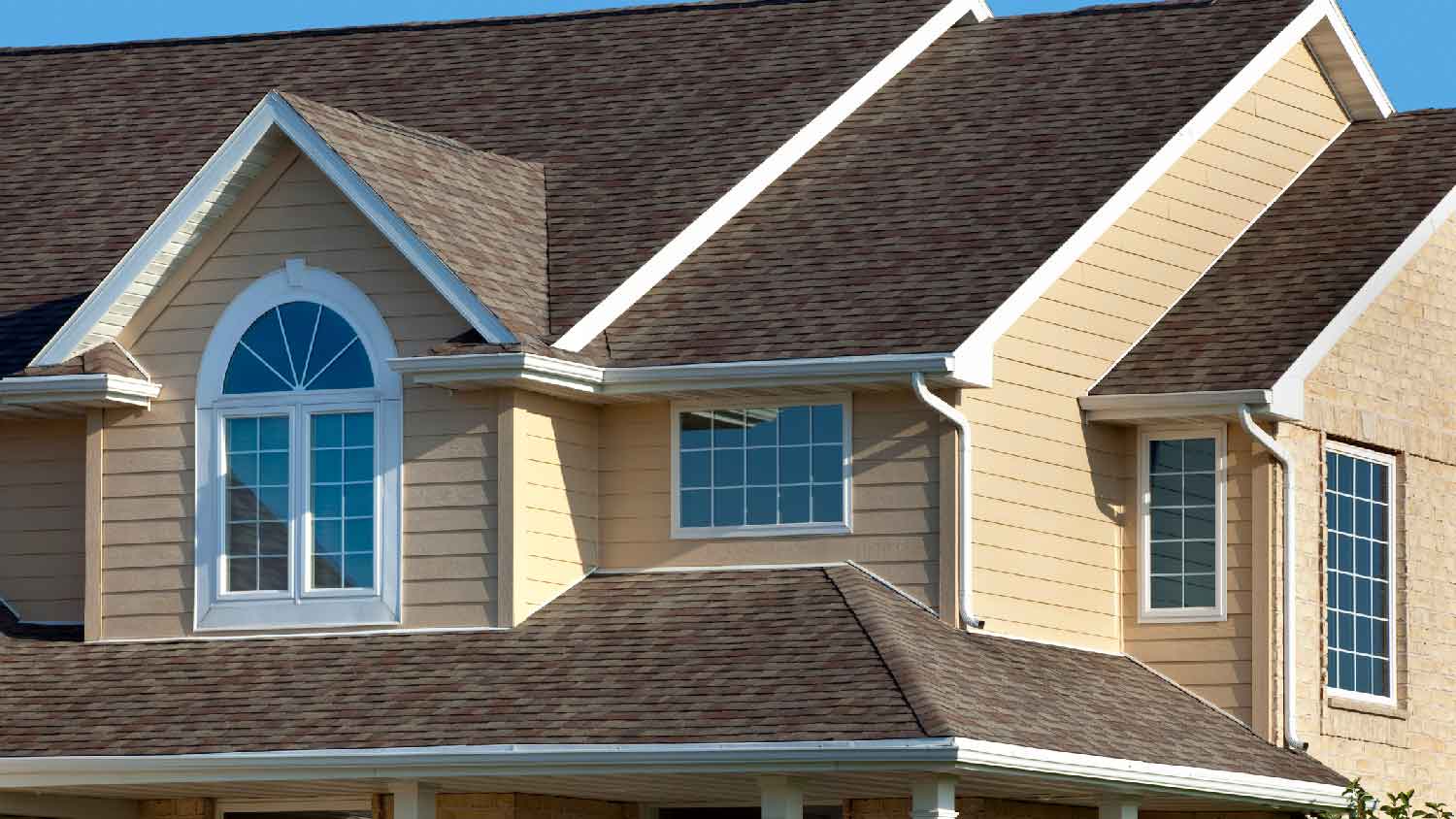
Architectural shingles cost is determined by project size, material quality, and roof condition. Find out how much they'll cost for your home.
Don’t miss a single shingle with these repair tips

Loose shingles need prompt attention because lifting edges allow water underneath, which can damage your roof deck and lead to leaks inside your home.
Missing or damaged shingles cost as little as $150 to repair when you address the issue early, helping you avoid more expensive water damage repairs.
Fixing a loose shingle requires applying roofing cement underneath, pressing it firmly into place, and sealing exposed nail heads to prevent wind from lifting it again.
Hiring a local roof repair professional provides reliable support when you're dealing with extensive damage, steep slopes, or repairs that need proper sealing and long-term protection.
Your roof is exposed to the extremes of the elements year-round, from ice dams and freezing temperatures in the winter to scorching UV rays and severe thunderstorms in the summer—not to mention unexpected weather events throughout the year. That said, if you happen to notice some loose pieces of shingles or you’re dealing with weather damage, don’t panic. Most shingle issues are fixable without breaking the bank. Take a look at the top shingle repair tips to keep your roof in good condition.
Let’s start with a shingle repair tip that can save you a headache down the road: Check your roof at least twice a year. Inspect the roof in the spring and fall so you can assess winter damage before summer storms roll in and catch any issues before harsh winter weather hits again.
Grab a pair of binoculars and scan for curled edges, bald spots where granules have worn away, or cracked or missing shingles. Catching problems early means you’ll likely pay less for repairs and can avoid water damage.
Weather plays a crucial role in every aspect of your roof’s life, including when you should repair your shingles. Avoid working on your roof during wet, icy, or extremely hot conditions. Shingles can crack when it's freezing and soften and warp if it’s too hot. Instead, make repairs during mild or dry weather, which is when shingles are most pliable and safest to work with.

If you’re going to DIY any roof repairs, make sure you have proper equipment. Essential tools include a hammer, flat pry bar, utility knife, roofing nails, and replacement shingles that match your existing roof. Remember to check your ladder for sturdiness and wear gloves and non-slip boots.
If you’re repairing roofing cement or sealant, choose products specifically designed for your shingle type. Asphalt-based sealants work best with asphalt shingles, while architectural or composite shingles need specialized adhesives. In those cases, look for products labeled as “roofing cement,” “flashing cement,” or “lap cement” at your local hardware store.
If only a few shingles are damaged, the repairs are likely manageable. In fact, small cracks in shingles can often be repaired without full replacement. To fix cracks, clean the area around the damage and apply a thin layer of roofing cement underneath the damaged section. Press the shingle down firmly and add a small amount of cement over the crack. This method works well for minor damage but isn’t suitable for severely deteriorated shingles.

Loose shingles are a common problem, but they’re easy to fix if caught early. These shingle repair tips can prevent loose pieces from becoming missing ones entirely. You’ll need to apply roofing cement to the underside of the loose piece, then press it back into place. Next, add a few drops of cement over any exposed nail heads for extra security.
However, if you notice bald spots, curling, cracking, or missing shingles entirely, simple repairs won’t cut it. These shingles will need to be replaced to prevent water damage and protect the surrounding shingles.
Wind damage can be particularly tricky to assess and repair. If storms have hit your area, you can learn how to repair wind-damaged shingles properly.
When a shingle is beyond repair, replacement is your best option. You’ll need to find replacement shingles that match your roof’s color and style. Bring a piece of your existing shingle to the hardware store for assistance.
Carefully lift the shingles above the damaged one and remove the nails holding it in place. Slide out the old shingle and insert the new one so it aligns with the surrounding shingles.
Secure the new addition by placing roofing nails along the nail line, keeping nails at least 1 inch from the shingle’s edges. This provides proper wind resistance and prevents the nails from tearing through the shingle during high winds. Drive nails straight into the shingle, ensuring they penetrate the roof decking by at least three-quarters of an inch. At the same time, you have to avoid overdriving nails, which can tear through the shingle, or underdriving, which leaves nail heads exposed.
Next, place nails in the designated nail line area, which is 5 to 6 inches from the bottom edge of the shingle. Once the nails are in place, seal each nail head with roofing cement.

After completing any shingle repair, sealing is essential for preventing water infiltration. Apply roofing cement or an appropriate sealant around nail heads, edges, and any areas where shingles overlap. Be generous but neat with sealant application since gaps can lead to leaks, while excessive amounts can trap moisture and cause problems later.
Keep detailed records of all shingle repairs, including dates, materials used, and areas addressed. Take before and after photos for your records. This documentation helps with warranty and insurance claims while also making future maintenance planning easier. Additionally, it provides valuable information for contractors if you need professional help later.

While many shingle repair tips can help homeowners handle basic maintenance, some situations require professional expertise. Call a roofing repair contractor near you if you’re dealing with extensive damage, steep roof slopes, multiple-story heights, or repairs near electrical lines. The cost to repair asphalt shingles professionally is often worth it for complex jobs that ensure your safety and the repair's longevity. Missing or damaged shingles can cost as little as $150 to repair.
Speak with a pro to discuss common roof repair questions and help you determine the best approach.
D1 Roofing delivers outstanding service from beginning to end, backed by a strong warranty and expert teams. I highly recommend them for their excellence in meeting and surpassing expectations with unmatched communication. Choosing D1 Roofing was flawless decision
 Division 1 Roofing LLC
This place took $25,000 for a flat roof job with a five-year warranty and never returned to fix the leaks that were caused by their work. These people are not professionals and should not be doing this type of work. They incorrectly changed the pitch of the roof, and caused more damage than...
The technician was very professional and friendly. He answered all my questions and was very thorough. He left the fireplace area very clean . He inspected from the roof and advised me as to other work that might need to be done. There was no pressure there. I was very satisfied with the...
 Supreme brick & chimney
I am really impressed with their timeliness and turnaround. Mitchell came out, and we decided to move forward with their pricing. Our roof was on within a week, and we could not be happier with their team! Amazing company, great prices and honest, dependable craftsmanship. I highly recommend...
 Window Depot USA of Central Ohio
Manuel Calvillo is the best option in the area for roofing and you won't be disappointed.
They damaged multiple items on my property, including a marble slab used as a table top, tried to hide it, and refused to pay or replace. Arrived day one without a ladder to access roof & delayed a day. Left a mess in back yard; didn't wear face masks; no show by owner to property to see damages
 Grants Tree Service
I've hired Gary/Cherokee Roofing for two different homes, work quality, responsiveness, and completion have been great both times. And the prices quoted were very competitive. I would definitely hire again.
Lyle did a great job removing asbestos shingles from our front porch roof. They worked together with our roofer to make sure that the new roof was able to be installed on the same day that Lyle removed the asbestos shingles.
 Lyle Environmental
Bradley Builders did a good job replacing the roof on our front porch. They color-matched the existing shingles on the rest of the house and installed a metal ridge roll since we live in a historical neighborhood. They did the job while we were out of town. When we got back, everything was...
 Bradley Builders, Inc.
I would absolutely recommend this business. They offer a variety of services, including: painting, roofing, and refinishing wood flooring. I hired them to refinish the original hardwood flooring in my home built in 1874. The job was quite challenging, as the floors were extremely aged and...
From average costs to expert advice, get all the answers you need to get your job done.
Architectural shingles cost is determined by project size, material quality, and roof condition. Find out how much they'll cost for your home.
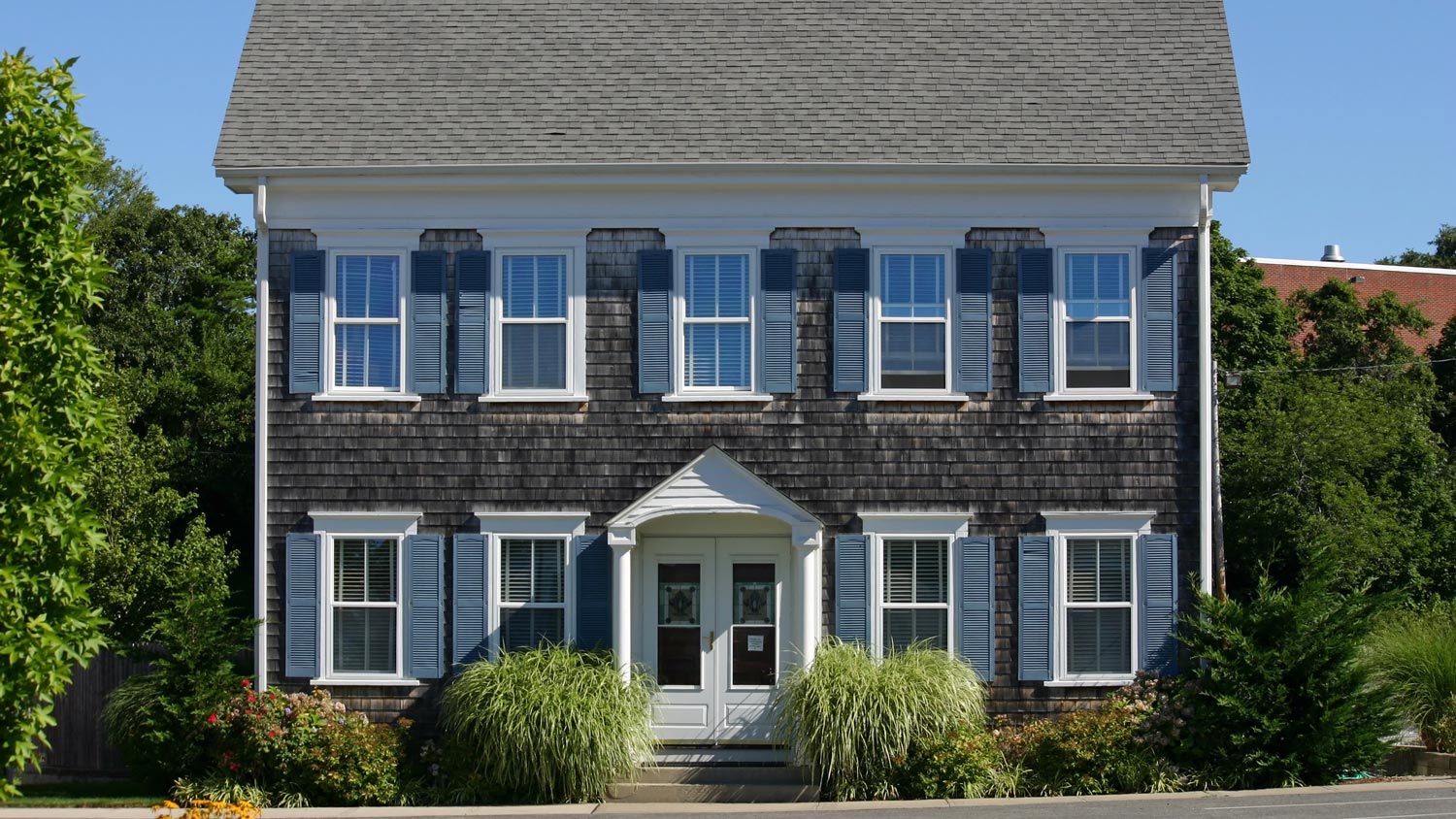
New siding can boost your home value, energy efficiency, and curb appeal. Learn about the cost to install shingle siding to budget appropriately.
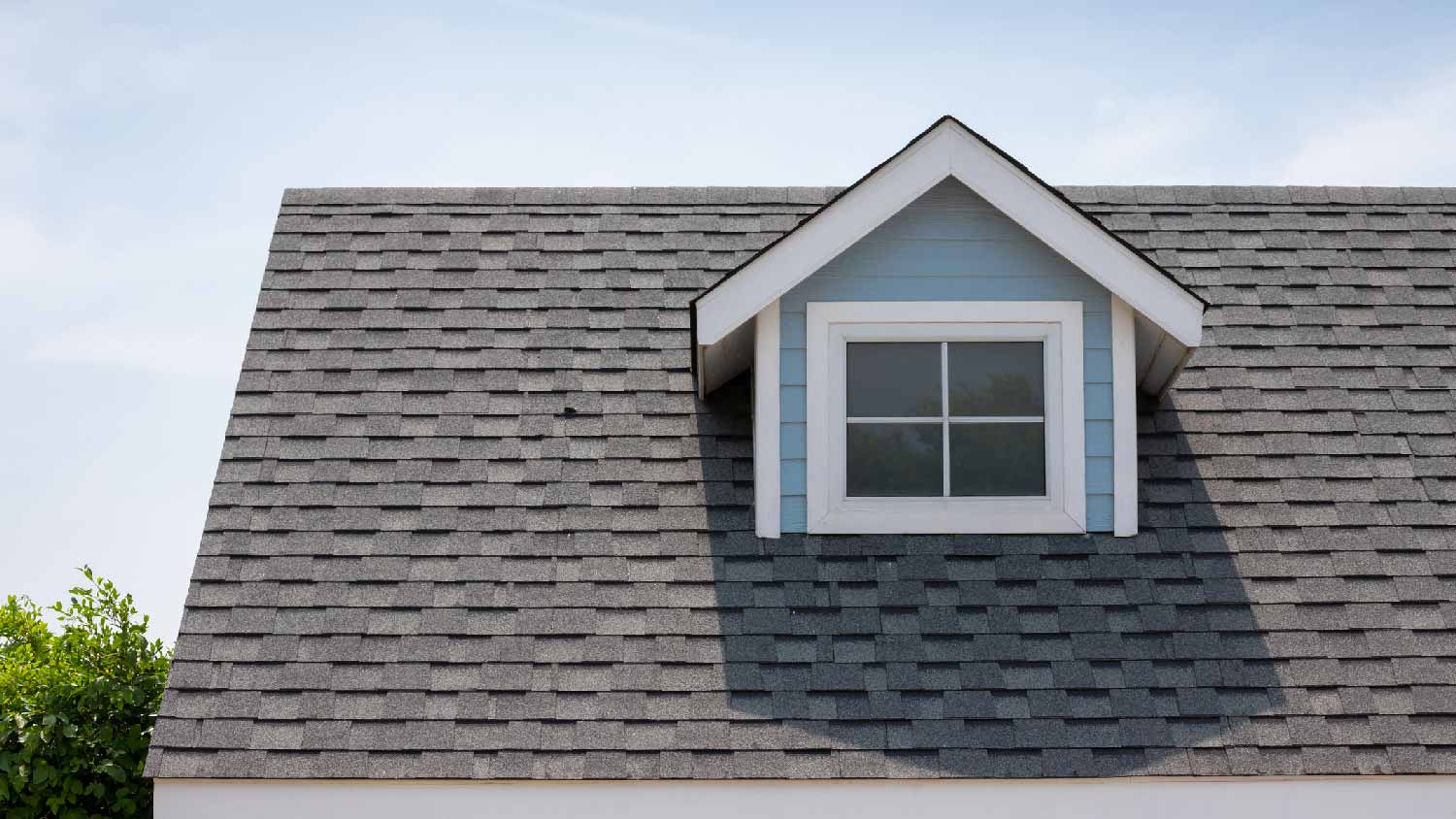
Learn the average rubber roof shingles cost for home installation, including cost factors and how prices will be estimated for your project.
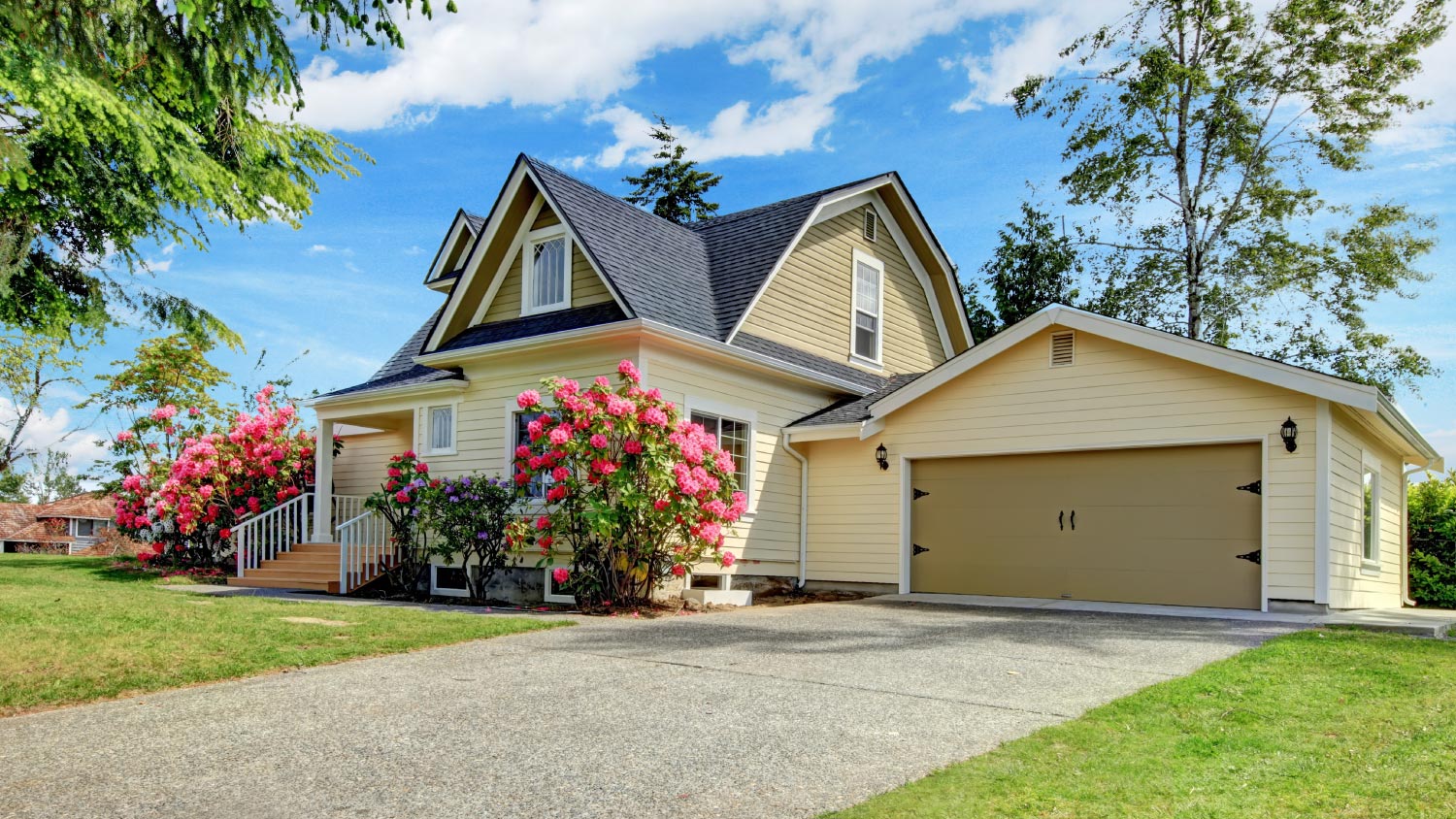
It is smart to address common roof issues quickly so they do not escalate into something worse over time. We cover some of the problems you don’t want to ignore.
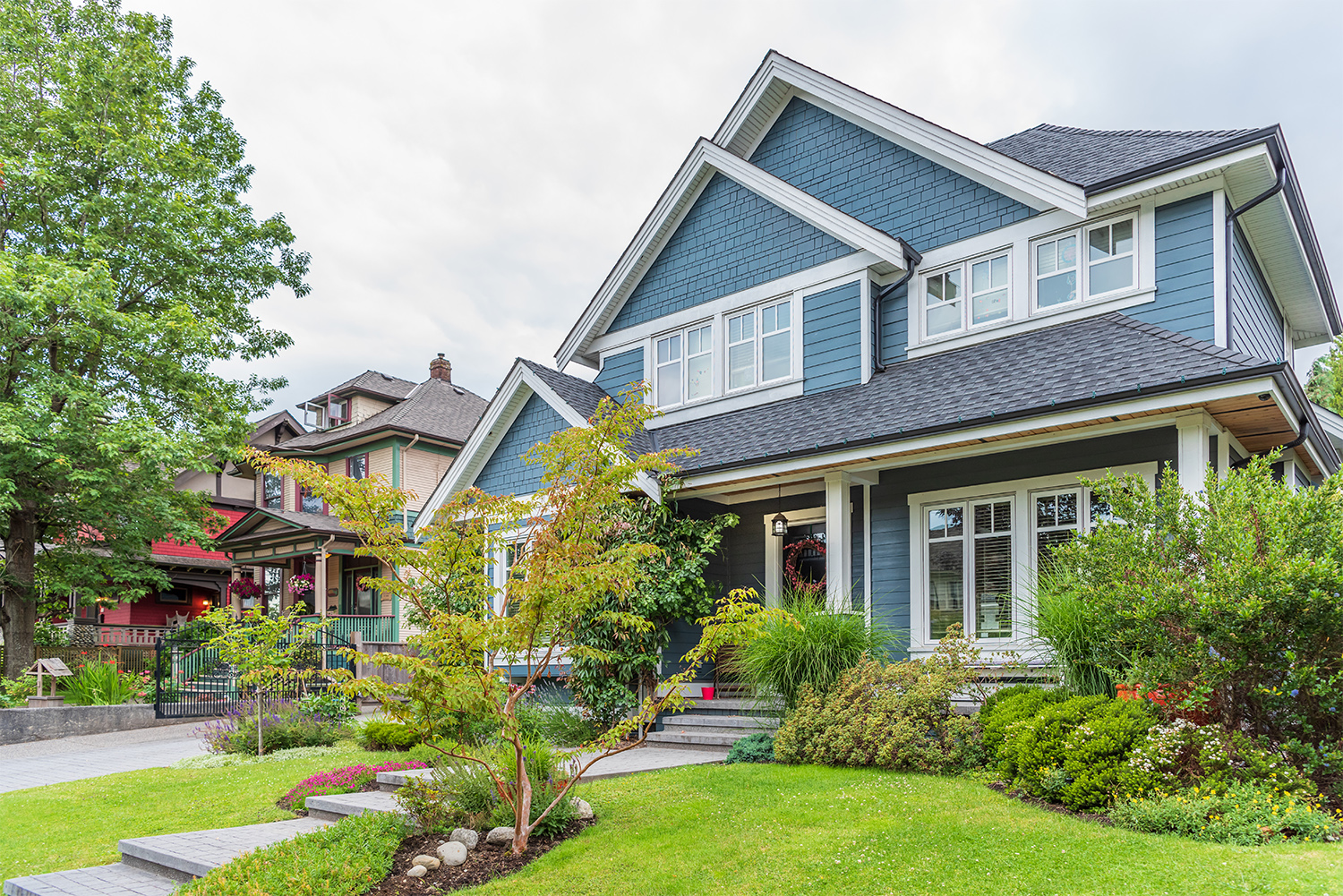
Discontinued roofing shingles are a bummer when small repairs are needed. Insurance may not cover a full roof replacement to get a match. Find out what to expect here.
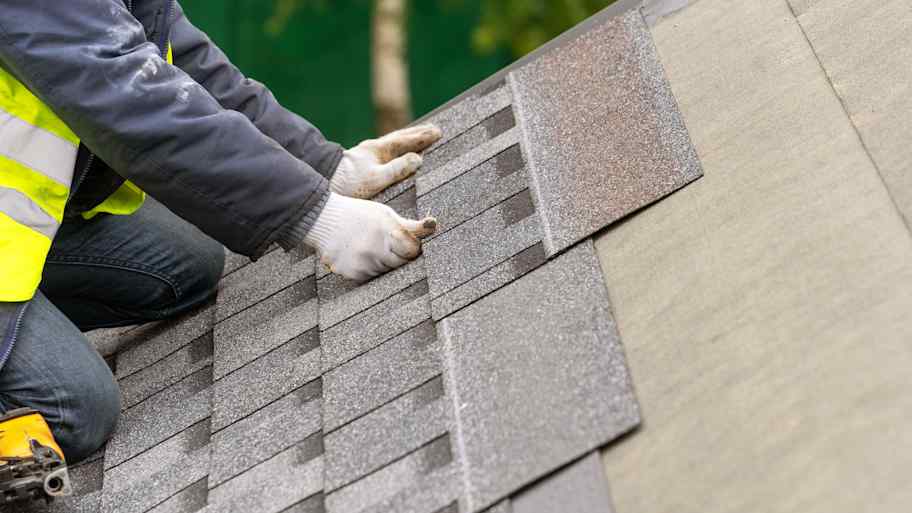
If you’re replacing your roof and wondering, “How many shingles do I need?” this guide will help you calculate the necessary materials to avoid over or underbuying.