
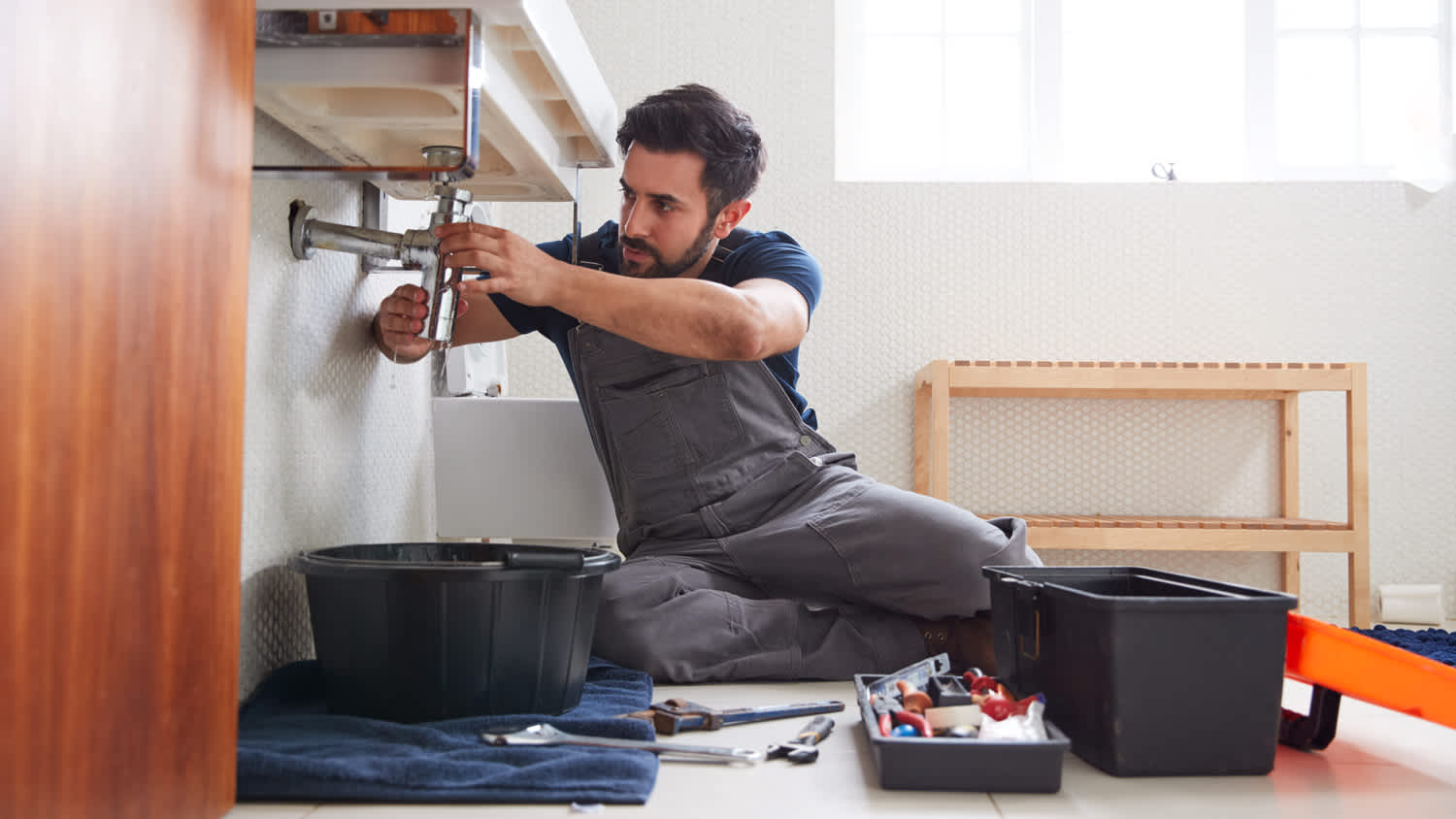
Plumbing inspection costs depend on the issue you’re looking into and the size of your home. Learn what you can expect to pay.
Septic tank service costs depend on your project and location. Check with a local pro for your specific job.


Sewer line camera inspections cost $271 to $1,725 per visit, depending on your line length and camera type.
Your pipe material affects inspection difficulty, PVC is simpler, while cast iron, clay, and Orangeburg, a fiber pipe, need care.
Account for add-ons in your budget like recording, emergency visits, or hydro-jetting, which run $150 to $800.
Hiring a local sewer cleaning professional ensures you get a thorough inspection and catches small problems before they become major repairs.
This article was created using automation technology and thoroughly fact-checked and edited by an Angi Editor in accordance with our AI policy.
In 2026, the national average cost for a sewer line camera inspection is $995, based on 2,344 verified projects from Angi Pros. Most homeowners pay between $271 and $1,725, with the range driven by pipe length, access difficulty, and the type of camera technology used. If your home is older or has large trees on the property, budgeting for add-ons like recording or hydro jetting—which run $150 to $800—can help you avoid surprises.
Several factors influence what you'll pay for a sewer line camera inspection, from pipe length and material to camera type and access difficulty. Understanding each element helps you budget accurately and avoid unexpected charges.
The type of camera technology used is one of the biggest drivers of sewer line inspection costs, which often range from $271 to $1,725. Options vary from standard-definition cameras to high-definition and specialty systems. A basic inspection suits routine maintenance and common clog checks, while HD cameras offer high-resolution video and possible recording for documentation purposes.
Specialty cameras—such as 360-degree or self-leveling models—are reserved for unique pipe materials or complex commercial systems and come at a higher price due to the specialized equipment and expertise required.
Here is a breakdown of average sewer line inspection costs by type:
| Inspection Type | Description | Average Cost in 2026 |
|---|---|---|
| Standard camera | Basic visual inspection, no recording | $150–$300 |
| HD camera | High-resolution video, possible recording/report | $300–$600 |
| Specialty camera | 360-degree, self-leveling, or for unique pipe materials | $600–$1,500+ |
The length of your sewer line directly affects the inspection cost, since shorter lines start at $175 and longer lines cost up to $800. Most homes have sewer lines between 50 and 100 feet, which represents the standard range for pricing. Longer lines or properties with multiple branches increase both time on the job and overall cost, and inspecting additional branches may trigger extra fees.
Here is how average sewer line inspection costs break down by pipe length:
| Pipe Length (Ft.) | Description | Average Cost in 2026 |
|---|---|---|
| Under 50 | Small homes, easy access | $175–$250 |
| 50–100 | Standard home sewer line | $250–$400 |
| Over 100 | Large homes, long or complex runs | $400–$800 |
How often you schedule sewer line camera inspections affects your overall investment, with one-time visits priced at the standard rate and recurring inspections often qualifying for discounts or package pricing.
Annual maintenance contracts are especially popular for older homes or properties with persistent tree root problems. While more frequent inspections raise short-term costs, they typically lower long-term expenses by catching issues before they escalate into major repairs.

The material of your sewer pipes influences both the complexity and cost of an inspection, with PVC being the most straightforward and affordable ($175 to $300). Cast iron and clay pipes may require more advanced cameras and techniques, while Orangeburg—a rare, delicate fiber pipe—carries the highest risk and cost (up to $800) due to its fragility. Some older or fragile materials need extra care during inspection to avoid causing damage.
Here is how average sewer line inspection costs compare by pipe material:
| Pipe Material | Description | Average Cost in 2026 |
|---|---|---|
| PVC | Modern, smooth, easy to inspect | $175–$300 |
| Cast iron | Older, rougher, may need advanced cameras | $250–$400 |
| Clay | Common in older homes, fragile, may require specialty cam | $300–$500 |
| Orangeburg | Rare, delicate, high risk of collapse | $400–$800 |
Some pros charge by the hour for complex or troubleshooting-heavy jobs, with hourly rates ranging from $75 to $150. Sewer line camera inspections are performed by licensed plumbers or drain specialists, with labor typically bundled into a flat inspection fee. Emergency or after-hours service and additional work—such as clearing blockages or reaching difficult access points—will push labor costs higher.
Where you live and where your sewer line access point is located both influence your total inspection cost. Urban areas and high cost-of-living regions typically see higher rates, and access points in basements, crawl spaces, or under landscaping require additional labor. Lines located under driveways or streets may also involve special equipment or safety measures, adding further to the overall cost.
If your technician went above and beyond, a tip of $10 to $20 is considerate and appropriate. Tipping is not mandatory for sewer line camera inspection professionals, but it is a welcome gesture for exceptional service or particularly difficult jobs. In areas where tipping is less common, a positive review or referral is another meaningful way to show appreciation.

For most homes, scheduling a sewer line camera inspection every one to two years is a smart way to maintain your plumbing and spot issues early. Inspections are also recommended before buying or selling a home, after experiencing major plumbing problems, or if you notice slow drains or unusual smells.
Seasonal changes can impact your sewer system. After heavy rains or before winter, it's wise to check for blockages or cracks. Signs that indicate it's time for an inspection include repeated backups, persistent clogs, or wet spots in your yard.
Regular inspections help you avoid emergency repairs and can significantly reduce long-term costs by catching problems before they worsen.
If you need add-ons for your sewer line camera inspection, the costs can range from $40 for locating and marking a problem to $800 for hydro jetting and cleaning. Several add-ons can enhance the value of your sewer line camera inspection but will increase the total cost.
Common upgrades include video recording or digital reports for documentation, locating and marking problem spots for follow-up repairs, and follow-up consultations to review findings with a pro. Inspecting additional branch lines requires extra time and equipment, emergency or rush service carries a premium, and hydro jetting to clear any blockages found is typically billed as a separate charge.
Here is a breakdown of common add-on costs when getting a sewer line inspection:
| Add-On | Description | Average Cost in 2026 |
|---|---|---|
| Video recording/report | For records, insurance, or real estate transactions | $50–$150 |
| Locating/marking problem | Marking repair spots for follow-up work | $40–$100 |
| Follow-up consultation | Review findings in detail with a pro | $50–$100 |
| Additional branch inspection | Inspecting more than one line or secondary pipes | $75–$200 per line |
| Emergency/rush service | Same-day or after-hours inspection | $100–$300 extra |
| Hydro-jetting/cleaning | Clearing blockages found during inspection | $250–$800 |
Renting a sewer line inspection camera costs $100 to $200 per day, while purchasing a basic model ranges from $300 to $1,000, and advanced cameras with recording features can cost $1,500 or more.
DIY inspections also require additional tools like gloves, protective gear, and possibly drain snakes, and there is a significant learning curve that raises the risk of missing or misdiagnosing issues. In most cases, hiring a pro is the better choice—professionals bring experience, specialized tools, and the ability to catch small problems before they become major repairs.
Here is how DIY and professional options compare:
| Method | What’s Included | Average Cost in 2026 |
|---|---|---|
| DIY (rental) | Camera rental, basic tools | $100–$250 per day |
| DIY (purchase) | Basic camera, tools, no pro interpretation | $300–$1,500+ |
| Pro | Inspection, report, expertise, warranty | $175–$800 per visit |
A few smart strategies can help you keep sewer line camera inspection costs under control without sacrificing quality:
Schedule inspections during regular business hours to avoid emergency fees.
Bundle inspection with other plumbing services for possible discounts.
Get multiple quotes from local sewer repair and cleaning pros to compare sewer line camera inspection costs.
Ask about package deals for recurring inspections.
Maintain your sewer line to reduce the need for frequent inspections.
Prepare the access point in advance to minimize labor time and potential extra charges.
Confirm whether the inspection fee covers a report, video recording, and consultation before booking.
Home is the most important place on earth, which is why Angi has helped more than 150 million homeowners transform their houses into homes they adore. To help homeowners with their next project, Angi provides readers with the most accurate cost data and upholds strict editorial standards. We extensively research project costs to develop the pricing data you see, so you can make the best decisions for you and your home. We rely on reputable sources, including the U.S. Bureau of Labor Statistics, academic journals, market studies, and interviews with industry experts—all to ensure our prices reflect real-world projects.
Want to help us improve our cost data? Send us a recent project quote to [email protected]. Quotes and personal information will not be shared publicly.
I recently moved to another state and chose United Trust Van Lines after comparing several companies. Their team was punctual, professional, and extremely careful with my belongings. I was especially impressed with how they handled my home office setup and fragile items. Everything arrived on...
 United Trust Van Lines, LLC
Positive experience. As previously stated, the replacement/repair could not be completed (no fault of the plumbing tech) b/c misinformation was rec?d by property management maintenance. Thanks to the plumbing tech for your efforts. Appreciate you!
 The Waterworks
As usual with ECO, tech Jordan was outstanding, very professional, very knowledgeable, and very thorough with repairs made to tankless water heaters. Very highly recommend ECO!!!
 Eco Plumbers, Electricians, and HVAC Technicians
I would recommend this company to anyone! He showed up on time, was friendly, completed a very difficult repair on our dryer vent cover, was responsive, and pricing was extremely fair and competitive. I would have him back to do any of our repairs or cleanings without hesitation!
 U.S.A. Dryer Vent, LLC
Best cleaning I've had at my property
I'm a repeat customer of All Star Paving & Sealing and I appreciate the service that all start paving has done for me in the past. I just recently had them out for an estimate and things couldn't have gone better. The staff that they send out to do the estimates are very knowledgeable. The...
 All Star Paving and Sealing
Supreme Brick & Chimney is one of the best service providers I’ve interacted with. Extremely efficient, knowledgeable, and thorough. They took the time to walk me through their detailed full-service inspection and were extremely professional. Not to mention their turnaround time was...
 Supreme brick & chimney
They were great! They were thorough and efficient and paid attention to the details. Definitely recommend. I'm definitely going back!
 FIFI'S EARTH FRIENDLY CLEANING
Storms Mobile Welding was great to work with. They were prompt, professional and did an overall excellent job on the project. I highly recommend.
Great experience all together. Dog friendly, courteous, great results and honest with recommendations. Will certainly be using Cardinal in the future for any carpet repairs
 Cardinal Carpet Care & Repair
From average costs to expert advice, get all the answers you need to get your job done.
Plumbing inspection costs depend on the issue you’re looking into and the size of your home. Learn what you can expect to pay.

Sewer line replacement is expensive, but going trenchless could save you cash in other ways. Here’s how much trenchless sewer line replacement costs.
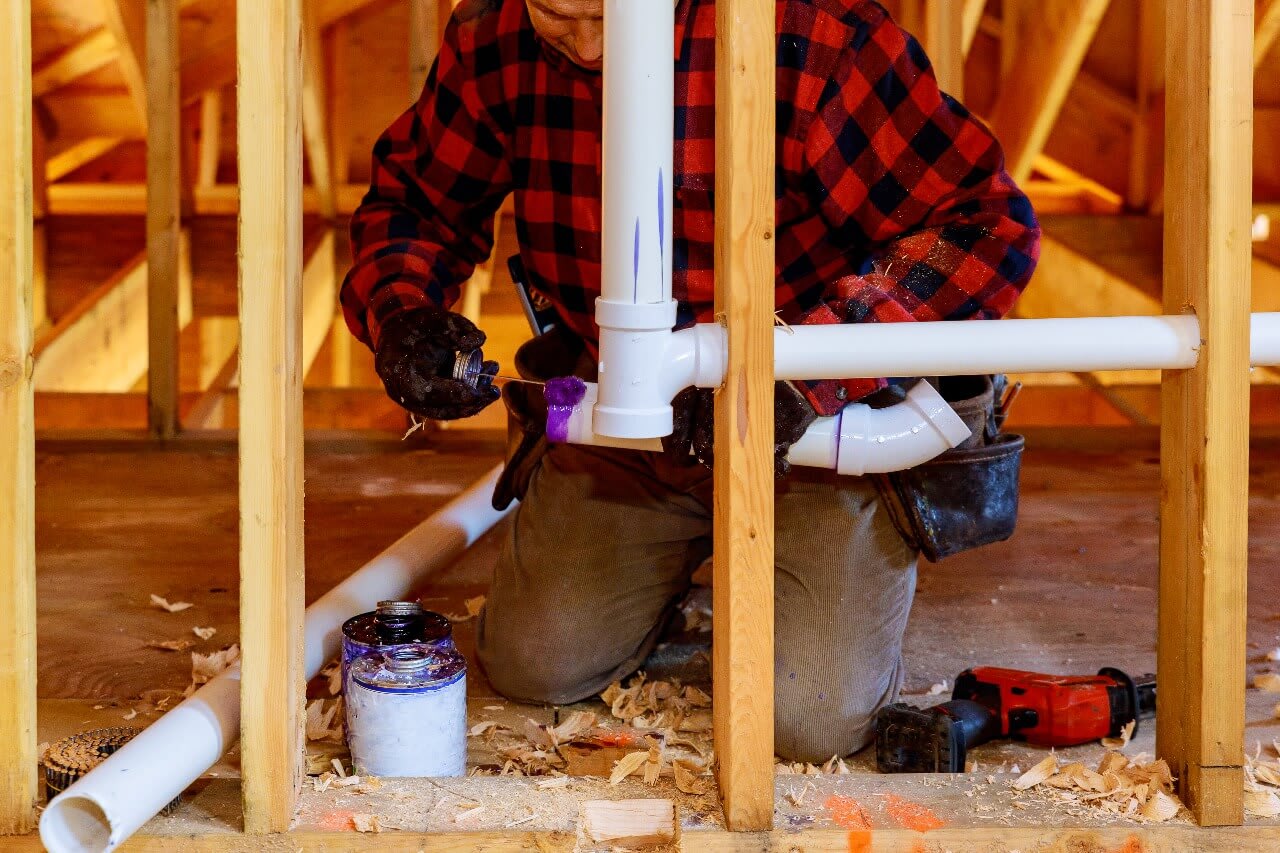
A clogged main sewer line can lead to gas or wastewater leaks. Find out what main sewer line clog repair costs by type of service, clog severity, and more.
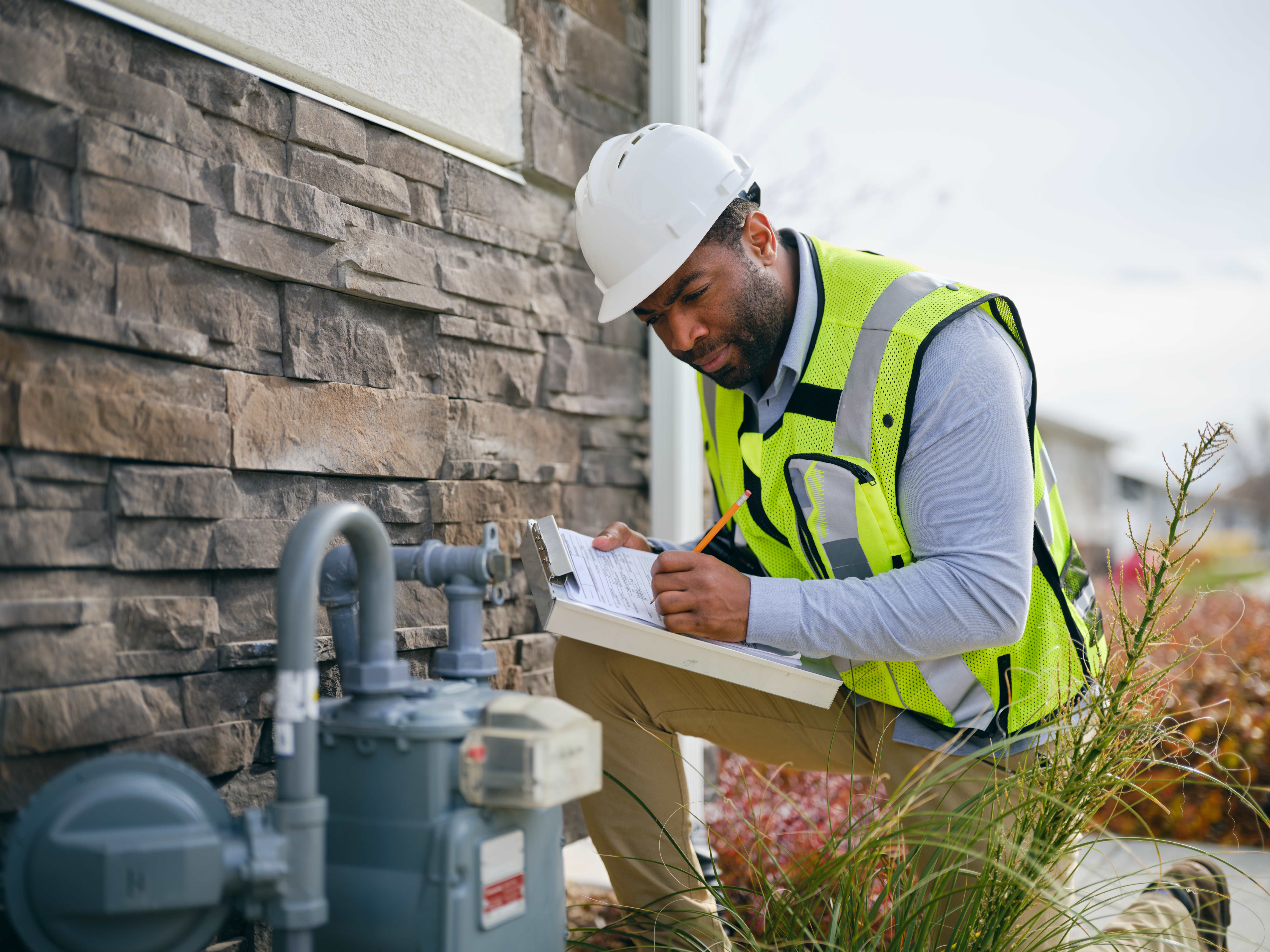
Learn how to hire a sewer inspector that has the correct qualifications and skills required for the type of inspection you need.
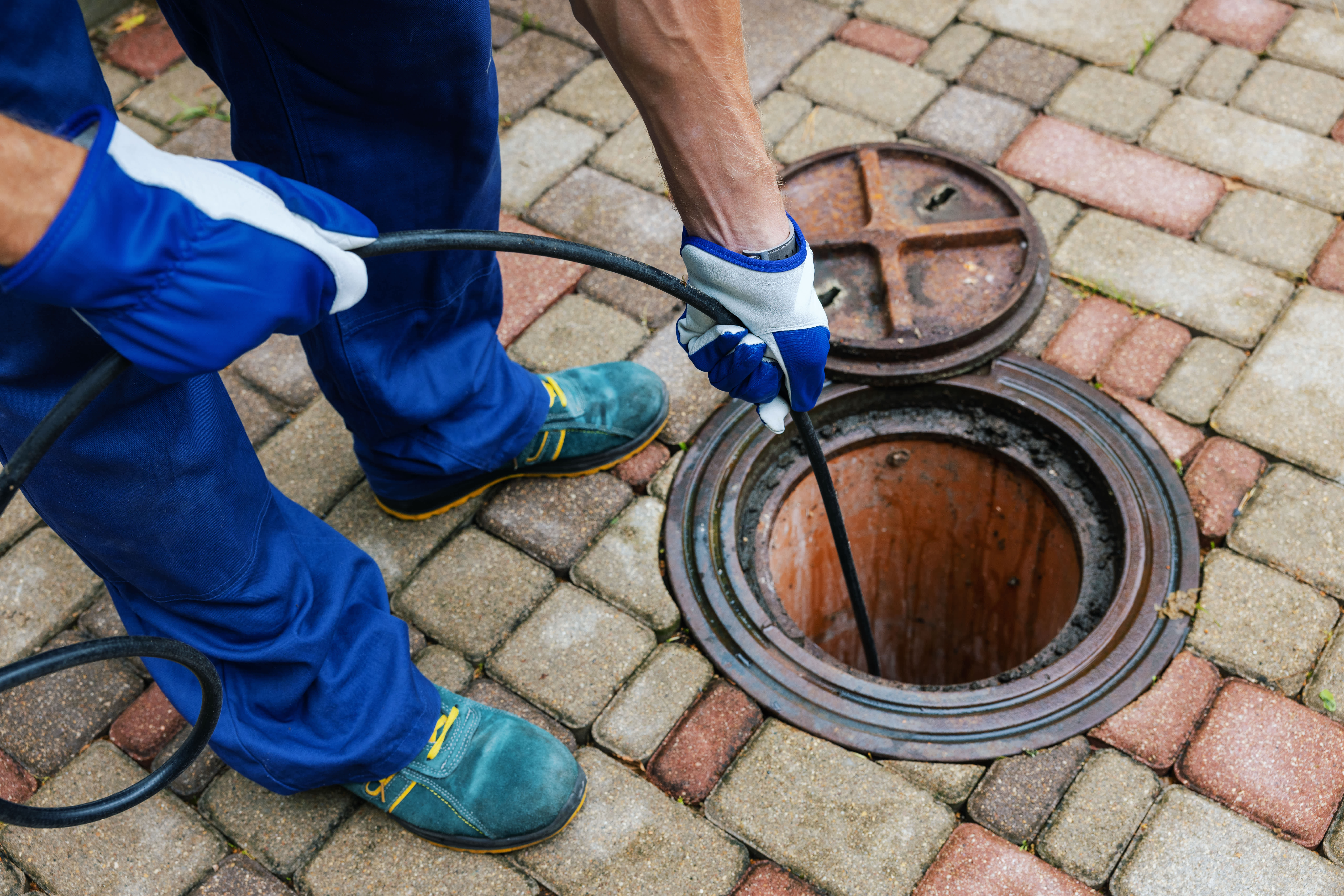
Discover who to hire for sewer inspection, including sewer inspection services and sewer scope options. Learn the process and what to expect before you book.
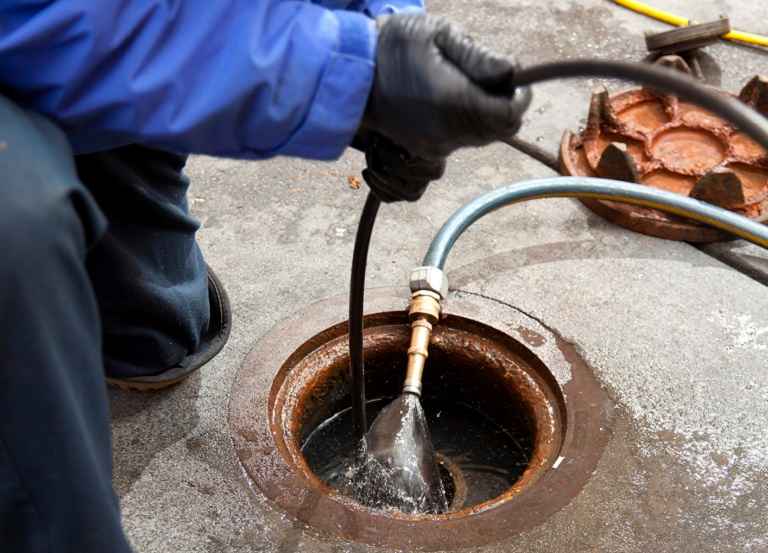
A sewer camera can help identify drain line breakages and clogs. Review these sewer camera inspection questions before your pro comes.