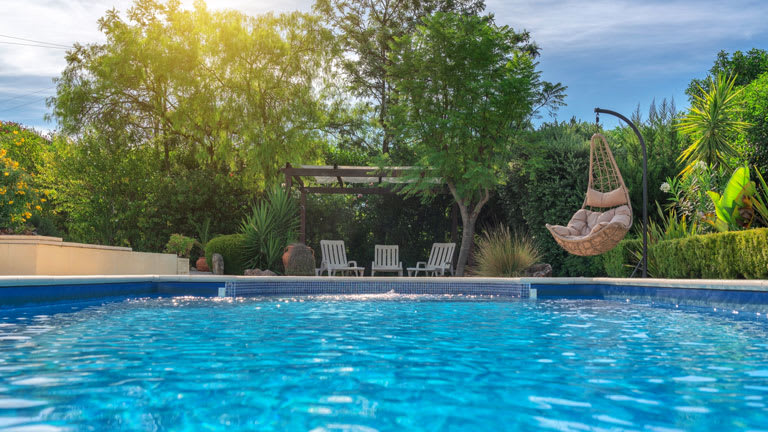
Installing a pool heater ensures that your pool gets used as much as possible, but is the pool heater cost worth it? Let’s find out.
Keep your cool during this pool project with some careful planning

Common pool heater questions focus on climate suitability, since heating extends your swim season more in colder areas than milder climates.
Discuss energy costs with your contractor early, as gas, solar, electric resistance, and heat pumps all have different running costs over time.
Your pool volume determines heater size, and most 5,000 to 10,000 gallon pools need at least 50,000 BTUs to heat effectively.
Hiring a local pool heater service professional provides expert guidance on heater type selection and proper temperature settings for your pool.
Let’s be honest. Most people don’t want to feel like they’re taking a cold plunge when they jump into their pool. Sure, there’s a time and a place, such as your local spa or a New Year's Day polar plunge. Pool heaters will make the water more comfortable, but there are a lot of different options. To narrow it down and keep your installation on track, discuss these five pool heater questions with your contractor.
People in colder climates can use a heater to extend the length of their swim season, but in a milder climate, it’s not as much of a necessity. This is especially true if you don’t use your pool that often. Talk to your contractor to understand if heating your pool is worth the cost.
Before you can start your installation, you’ll need to discuss the options with your installer. There are four types of pool heaters—gas, solar, electric resistance, or heat pumps. Some perform better in certain climates. They all come at different price points. Overall, gas is one of the most popular because it heats your pool the fastest, but it’s not always the best option when you factor in lifespan, installation, running costs, and emissions.
Discuss timelines with your contractor so you can set your expectations. It can take anywhere from a day to a few days to install a pool heater depending on the complexity of the job. They’ll also need to fit you into their schedule, which may be tighter in the summer when pool projects are plentiful.
Get ready to discuss the volume of your pool with your contractor. This helps them choose the right size heater. Pool heaters range anywhere from 30,000 BTU to 400,000 BTU, but it also depends on the energy source. You’ll need a minimum of 50,000 BTUs for the average 5,000 to 10,000 gallon pool.
Since energy is a running cost, it’s also a good idea to inquire about monthly energy bills. Certain pool heaters use more energy than others, which will rack up long-term costs.
Proper maintenance will keep your heater working for swim seasons to come, so make sure you discuss it with your local pool heater pro. This will include things like how to clean the heater and the best temperature settings. Ideally, a swimming pool should be somewhere between 78 and 82 degrees Fahrenheit.
Joseph did a great job with the staircase and trim. Timely and efficient, clear communication about the work, very fair pricing. For the stairs in particular, done very skillfully in an old house (1893) in a tight spiral, and very creative with how to do the handrail. Did a nice job with...
 Vouis Trim Carpentry L.L.C.
This company does it right. Firstly, I want to say that Landan was a joy to work with. He was so kind, transparent, and had everything under control. His entire team showed up ready to work and they were all very respectful of the fact that we were in an office space. A little backstory – we...
 Krumlauf Floors
Professional Team, smooth to communication chain and schedule flexibility. Follows proper construction procedure and completes task on time.
 Pegasus Concrete
Very professional, knowledgeable and helpful! Completed the install on time and as expected.
 Ward's Services
Cole has been handling plumbing and general contracting for our four properties over the past three years, and he’s always done a great job. Most recently, he installed a sink and countertop in our retail store where none existed before, and it turned out exactly how we needed. He’s...
 ANB Renovations LLC
Excellent, Prompt, Courteous Service!!! They were super friendly and quite personable. I felt very comfortable with the gentlemen that did the installation. They installed it exactly where I asked them to and they did an excellent job!! I loved their service so much.
 Tether House
I hired windows depot USA of central to install new windows in house in Oshawa. Ilya was very professional from the start, not only did he offered a great price, he also made sure the installation was on time. I am very satisfied with final outcome. The windows look great and the overall...
 Window Depot USA of Central Ohio
The guys did an outstanding job and we had a great experience with CarifaTile. I appreciated that Joe reviewed the quotes with me and set expectations prior to the install. The crews showed up as scheduled and always left the areas clean upon leaving the house. We will definitely use...
 CarifaTile
Did an amazing job transforming my yard. Also installed sod in places, would recommend to everyone.
 Cardinal Landscaping & Construction LLC
Always been satisfied with the service work and how they have taken care of my pool.
From average costs to expert advice, get all the answers you need to get your job done.
Installing a pool heater ensures that your pool gets used as much as possible, but is the pool heater cost worth it? Let’s find out.
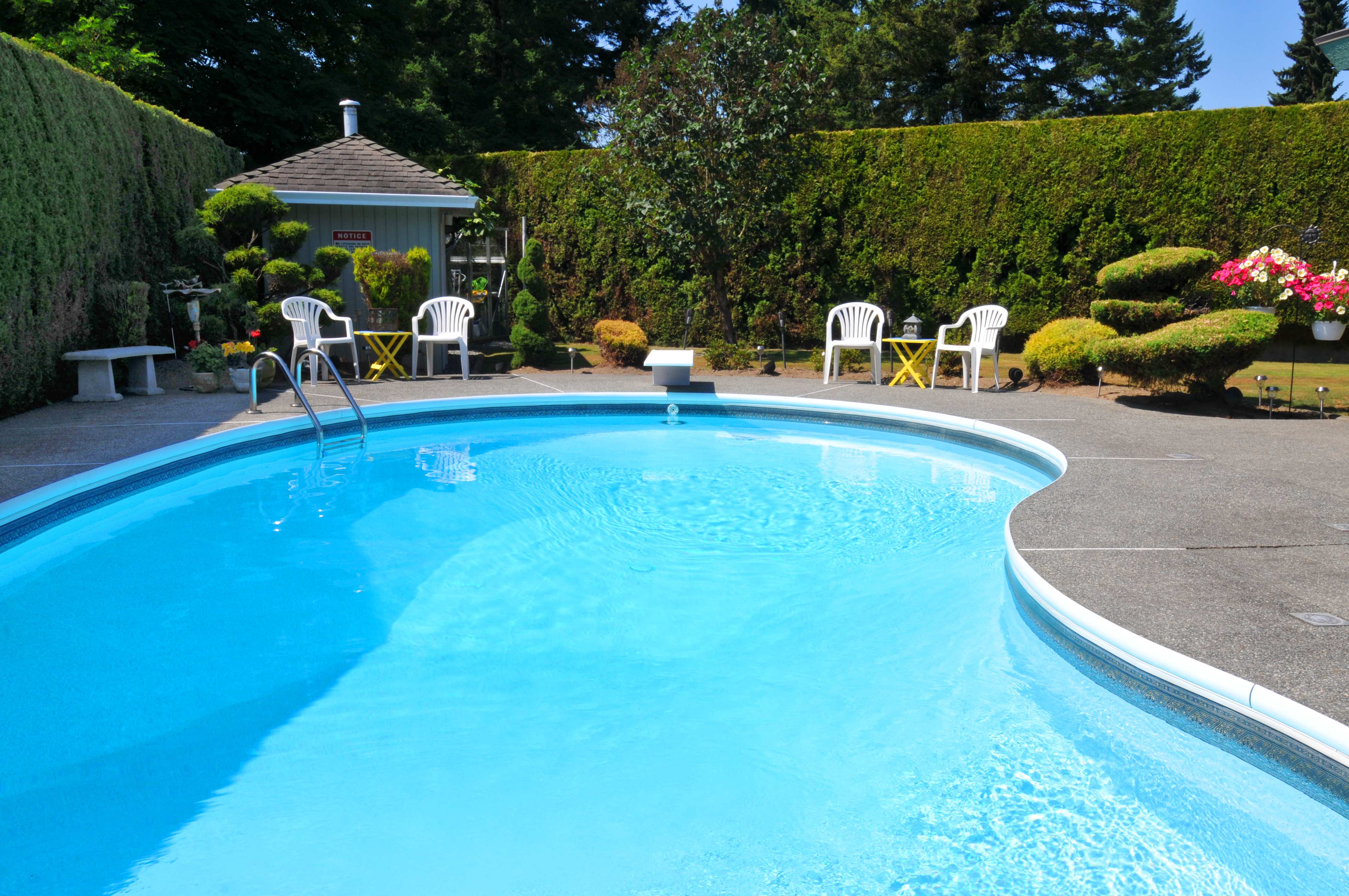
Discover the cost to install a solar pool heater, including average prices, key cost factors, and tips to save on your project.
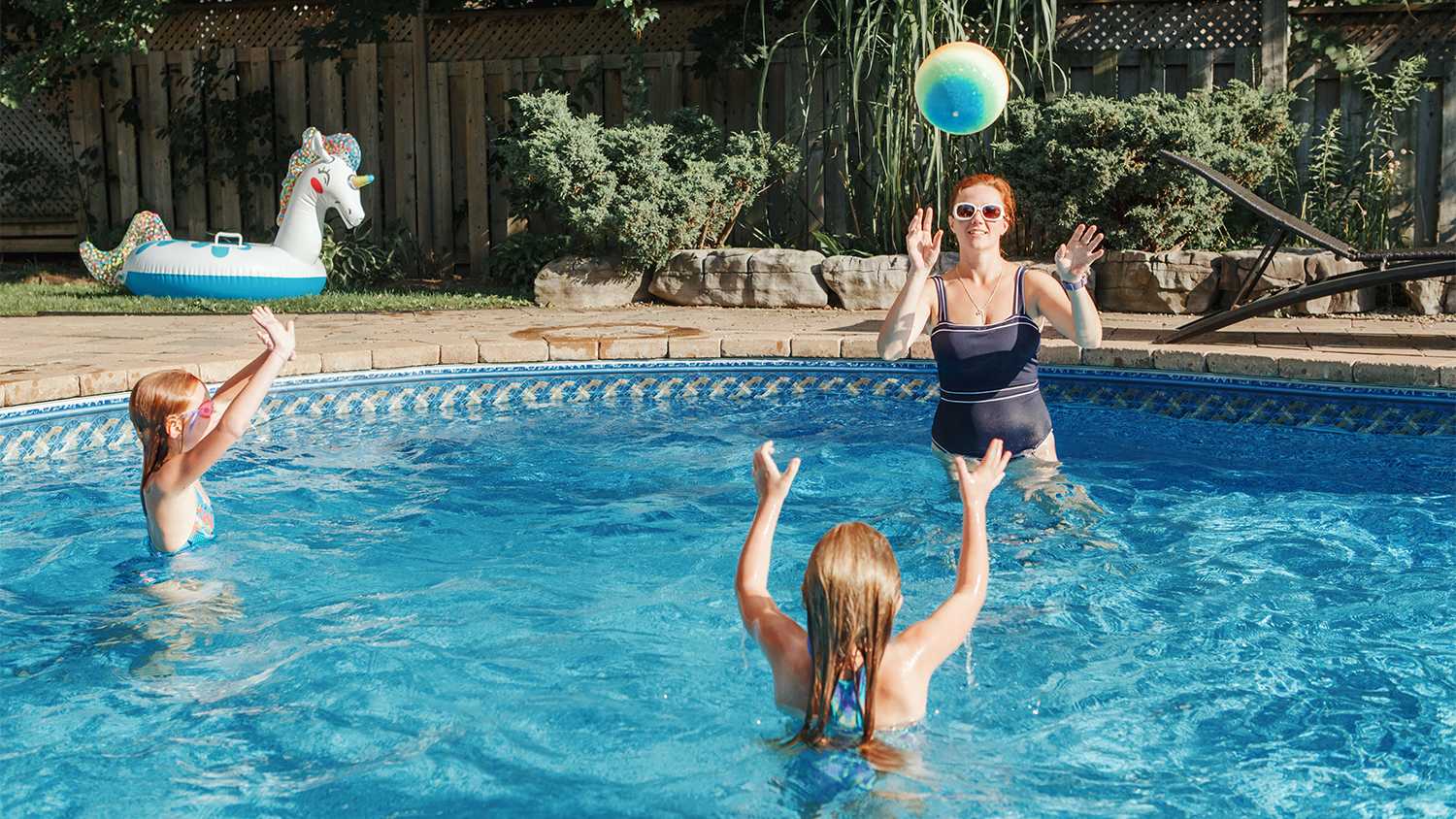
Pool heater problems could point to many issues, some of which you can troubleshoot. Find out repair costs for heat pumps, natural gas, and solar pool heaters.

While the fall is usually the most popular time for homeowners to get a pool heater, here’s why you should consider doing it in the spring instead.
Keeping your pool heated can make it comfortable even in chilly weather. Learn what size pool heater you need to keep your pool as warm as you like.

If your pool heater seems to be on the fritz, check out this guide to find out if you're better off with a repair or a pool heater replacement.