

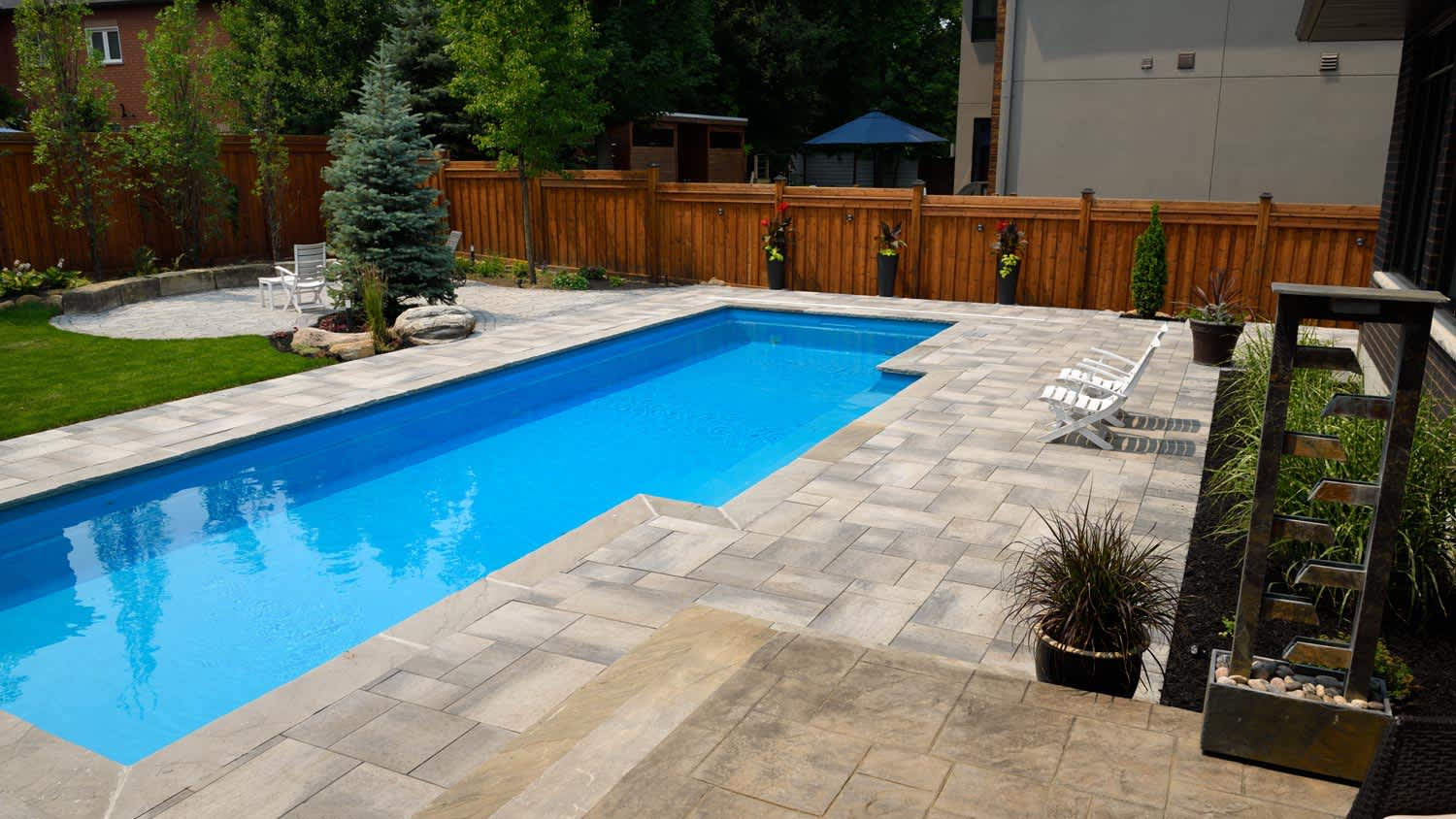
Fiberglass pools are a solid choice. If you are looking into installing one at home, read this guide to learn all the ins and outs of fiberglass pool costs.
Pool construction and installation costs depend on your project and location. Check with a local pro for your specific job.

Plunge pool installation costs range from $10,000 to $40,000 for your new backyard project with an average around $28,000.
Your pool size, shape, and material choice determine the final installation total with vinyl costing less than fiberglass or concrete.
You should account for excavation, tree removal, yard regrading, permits, fencing, and ongoing maintenance when you create your project budget.
Hiring a local inground pool company ensures the structure is installed correctly and helps the property retain maximum value.
In 2026, the national average plunge pool cost is $28,000, with most homeowners spending between $10,000 and $40,000. Your final total depends on pool size, material, and whether you're going above or in-ground. A small aboveground plunge pool can run as little as $3,000, while a large concrete in-ground option may reach $75,000 or more.

The size and shape of your plunge pool are among the most significant factors in your total project cost. All plunge pools run roughly 4 to 8 feet deep, but pool size varies based on your preferences and available backyard space. Square and rectangular pools are the most affordable shape options, while round, curved, or L-shaped designs cost more. Custom shapes will be the most expensive option, so keep that in mind when setting your budget.
The table below shows the average cost of a plunge pool by size:
| Plunge Pool Size (Feet) | Average Cost in 2026 |
|---|---|
| 4x4 | $5,000–$10,000 |
| 7x7 | $10,000–$30,000 |
| 9x5 | $20,000–$40,000 |
| 10x6 | $30,000–$50,000 |
| 13x7 | $40,000–$60,000 |
Aboveground plunge pools are less expensive to install than in-ground models. If you’re unsure which type suits your yard and goals, speaking with a pool installer is the best way to weigh your options. The right choice depends on your available space, soil conditions, and how permanent you want the installation to be.
Installing an aboveground plunge pool costs $3,000 to $30,000, depending on the size and features you choose. Prices are lower for aboveground models because the installation process is far less involved than an in-ground build. These pools generally do not require permits or ground excavation, which keeps both labor and regulatory costs down.
An in-ground plunge pool costs $10,000 to $55,000, with size and materials being the primary cost drivers. Vinyl and fiberglass pools sit at the lower end of that range, while concrete in-ground pools cost more. The higher price reflects the additional materials and labor required for excavation, structural installation, and finishing work.
Plunge pool materials make up the bulk of your total project cost. Vinyl plunge pools are the most affordable option, costing $10,000 to $30,000 to install. Fiberglass pools cost slightly more at $18,000 to $55,000, but they offer greater durability and lower maintenance needs. Factor in long-term costs like liner replacements, algae removal, and repairs when comparing materials, since the cheapest option upfront is not always the most economical over time. Here’s the average cost of plunge pools based on material:
| Plunge Pool Material | Average Cost (Installed) in 2026 |
|---|---|
| Vinyl | $10,000–$30,000 |
| Fiberglass | $18,000–$55,000 |
| Concrete | $20,000–$75,000 |
Most pool contractors charge $50 to $150 per hour for labor, which accounts for 25% to 50% of the total cost to build a plunge pool. The exact amount depends on how many gallons your pool holds and the scope of work involved. Labor costs extend beyond pool installation itself and can include land prep tasks, plumbing, and electrical work. Here are some common tasks for plunge pool installation, along with their average costs:
Pool excavation: $500–$3,000
Tree removal: $200–$2,000
Yard regrading: $1,100–$3,300
Concrete slab installation: $3,600–$7,200
Plumber: $45–$200 per hour
Electrician: $50–$100 per hour
Where you live has a real impact on what you will pay for plunge pool installation. Homeowners in warmer climates like California or Florida typically spend less because pools are common there and the market is more competitive. In colder regions, fewer contractors specialize in pool installation, which reduces competition and can drive prices higher.
Installing a plunge pool often comes with additional costs beyond the base installation price. Extra features like pool heating, lighting, and accessories add to the upfront total, while maintenance, insurance, and taxes contribute to your ongoing expenses. Planning for these costs from the start helps you avoid budget surprises down the road.
Site accessibility directly affects what a local in-ground pool installer will charge for your project. Tight spaces—such as areas between trees you want to preserve or spots close to a shed—require more effort and specialized equipment to work around. The more difficult the site is to access, the higher your installation costs will be.
Many local governments require a fence or security gate around a plunge pool for safety reasons, so this cost may not be optional depending on where you live. The average cost to install a pool fence is $1,500 to $10,000, with the final price depending on the fence's length and any features you add, such as gates and locks. Check local regulations before finalizing your budget so you can account for this requirement upfront.
Many local governments require a fence or barrier around a pool or hot tub for safety reasons. Check with your contractor beforehand about local regulations.

Building permits cost $550 to $3,100 each, and most plunge pool projects require multiple permits covering site excavation, pool construction, and electrical work. Because you will likely need more than one permit, these fees can add up quickly in your overall budget. The pool installation company you hire can help you identify which permits are required and guide you through the application process.
Ongoing pool maintenance costs $400 to $2,000 per year, covering tasks such as water testing, chemical balancing to adjust pH, debris skimming, and filter replacement. These are recurring expenses that continue for the life of the pool, so they deserve a line in your long-term budget. If you live somewhere with cold winters, also plan for the seasonal costs of opening and closing the pool each year.
A pool heater costs $1,800 to $4,200 for the unit and installation, and monthly utility costs to run it range from $10 to $850 depending on the heater type. Gas and propane heaters are the most expensive to operate at $200 to $850 per month, while electric resistance heaters run $175 to $600 per month. Heat pumps are a more efficient option at $120 to $200 per month, and solar pool heaters are the most economical choice at less than $10 per month.
Plunge pool add-ons—such as lights, steps, and jets—will increase your project's cost. Here are the costs for some common plunge pool add-ons:
Pool cover cost: $900–$2,800
Saltwater system cost: $500–$2,500
Pool lights cost: $625 each
Pool steps cost: $100–$700
Underwater exercise equipment cost: $375–$13,000
Pool jets cost: $800–$1,200
Infinity edge pool cost: $11,000–$37,000
Swim spa installation cost: $20,000–$40,000
Keep in mind that the more features you add, the more your plunge pool will become a "spool pool." Spool pools cost, on average, around $23,000 but are installed for their spa-like features (such as seating, jets, and temperature controls).
Adding a pool to a home can increase the property's value, which often results in higher annual property taxes. Consult your local and state tax laws to determine how much a pool could impact your ongoing tax costs.
Pools increase your homeowners insurance rates to cover the pool. This usually adds $50 to $100 to your annual insurance payment, but it could be more depending on your provider. This increase covers two scenarios:
Any damage to the pool due to an event covered by the policy (like hurricanes or storms)
Increasing liability coverage for any pool-related injuries and claims
Hiring a local pool installer costs $50 to $150 per hour for labor, which typically accounts for 25% to 50% of the total project cost. That investment reflects the specialized skills, equipment, and expertise required to complete a plunge pool installation safely and correctly. Attempting to DIY this project without the right experience puts both the structure and your property at risk.
Pool contractor: $50–$150 per hour
Plunge pool installation isn't an easy project, so here's why you should hire a pro:
Pros perform necessary pre-installation work, including checking for underground utilities, assessing soil stability, and managing drainage and groundwater issues.
They ensure proper grading, ground leveling , and shell installation to prevent cracking, settling, or structural failure.
Pros handle plumbing and filtration system installation safely and correctly.
Permits may be required, and pros know the process to obtain them efficiently.
They're familiar with zoning and safety regulations.
The machinery required is expensive to rent and difficult to use yourself.
Professionals carry insurance that covers accidents, property damage, and structural issues.
DIY or unlicensed installation might void the pool shell manufacturer's warranty.
Pros can help select the best pool type and placement based on your yard layout, climate, and soil.
Long-term reliability is almost always worth the extra price.

Plunge pools are a great choice for homeowners who want a place to cool off or get some aquatic exercise but don't want to splurge on a full-sized pool. While less expensive than a swimming pool, these costs can skyrocket when you opt for larger pools with all the bells and whistles. Here are some tips for saving money on a plunge pool.
You can cut plunge pool costs by minimizing the number of upgrades or extras. If you don't plan to use the plunge pool in the winter, you may save money by not installing a pool heater. Or perhaps you don't need fancy jets, colorful LED lights, or custom tiling.
The smaller your plunge pool, the more you can save on land excavation and materials. To determine the right size, consider what you want to use the pool for. You can get a smaller plunge pool if you just want to sit on a step or stand in some cool water on a hot day, and you'll spend less on small pool costs. If you're going to do water aerobics or host friends over to take a dip, you'll want a slightly larger plunge pool.
If you want to save money on your plunge pool costs up front, consider a less expensive material like vinyl. If you're looking for long-term savings, choose a material that requires fewer repairs or liner replacements over time, like fiberglass or concrete.
Building a pool is no easy feat, so leave the excavation and installation to the pros. But that doesn't mean you can't do some tasks yourself. You could level the ground for an aboveground pool, install a patio, or handle some landscaping after the installation. You can also save money in the long term by handling pool cleaning and maintenance yourself.
Plunge pools can increase the value of your home, but you won't necessarily make back much of your investment. The ROI for a pool ranges anywhere from 5% to 56% , but most people's return is on the lower side. Plunge pools do require less maintenance than a larger pool, which can be attractive to buyers who want the best of both worlds.
To find out the true value of a plunge pool, take a look at similar listings in your area. If the listings with pools sell for a notably higher price, it's a good sign that you may get a favorable return.
Share any diagrams of your yard's plumbing, irrigation, electrical, or gas lines so the pro can plan a safe excavation.
Prepare to discuss placement and design ideas, such as the pool location, the amount of sun or shade it will receive, desired privacy, and any surrounding decking or landscaping you would like to include.
Review material and finish options with your installer.
Confirm who will handle permitting, what inspections are required, and any zoning or setback rules that might impact the installation.
Before signing a contract, request a detailed estimate and timeline.
Home is the most important place on earth, which is why Angi has helped more than 150 million homeowners transform their houses into homes they adore. To help homeowners with their next project, Angi provides readers with the most accurate cost data and upholds strict editorial standards. We extensively research project costs to develop the pricing data you see, so you can make the best decisions for you and your home. We rely on reputable sources, including the U.S. Bureau of Labor Statistics, academic journals, market studies, and interviews with industry experts—all to ensure our prices reflect real-world projects.
Want to help us improve our cost data? Send us a recent project quote to [email protected]. Quotes and personal information will not be shared publicly.
If you’re good people wanting to do business with good people, hire Matt. He is a consummate professional and utterly competent. He installed a water heater in my home at a price that beat competitors by hundreds of dollars with a promise to support the unit for its life (even after its 6 yr...
 Greene's Plumbing Services
Joseph did a great job with the staircase and trim. Timely and efficient, clear communication about the work, very fair pricing. For the stairs in particular, done very skillfully in an old house (1893) in a tight spiral, and very creative with how to do the handrail. Did a nice job with...
 Vouis Trim Carpentry L.L.C.
This company does it right. Firstly, I want to say that Landan was a joy to work with. He was so kind, transparent, and had everything under control. His entire team showed up ready to work and they were all very respectful of the fact that we were in an office space. A little backstory – we...
 Krumlauf Floors
Professional Team, smooth to communication chain and schedule flexibility. Follows proper construction procedure and completes task on time.
 Pegasus Concrete
Very professional, knowledgeable and helpful! Completed the install on time and as expected.
 Ward's Services
Cole has been handling plumbing and general contracting for our four properties over the past three years, and he’s always done a great job. Most recently, he installed a sink and countertop in our retail store where none existed before, and it turned out exactly how we needed. He’s...
 ANB Renovations LLC
Excellent, Prompt, Courteous Service!!! They were super friendly and quite personable. I felt very comfortable with the gentlemen that did the installation. They installed it exactly where I asked them to and they did an excellent job!! I loved their service so much.
 Tether House
I hired windows depot USA of central to install new windows in house in Oshawa. Ilya was very professional from the start, not only did he offered a great price, he also made sure the installation was on time. I am very satisfied with final outcome. The windows look great and the overall...
 Window Depot USA of Central Ohio
The guys did an outstanding job and we had a great experience with CarifaTile. I appreciated that Joe reviewed the quotes with me and set expectations prior to the install. The crews showed up as scheduled and always left the areas clean upon leaving the house. We will definitely use...
 CarifaTile
Did an amazing job transforming my yard. Also installed sod in places, would recommend to everyone.
 Cardinal Landscaping & Construction LLC
From average costs to expert advice, get all the answers you need to get your job done.
Fiberglass pools are a solid choice. If you are looking into installing one at home, read this guide to learn all the ins and outs of fiberglass pool costs.
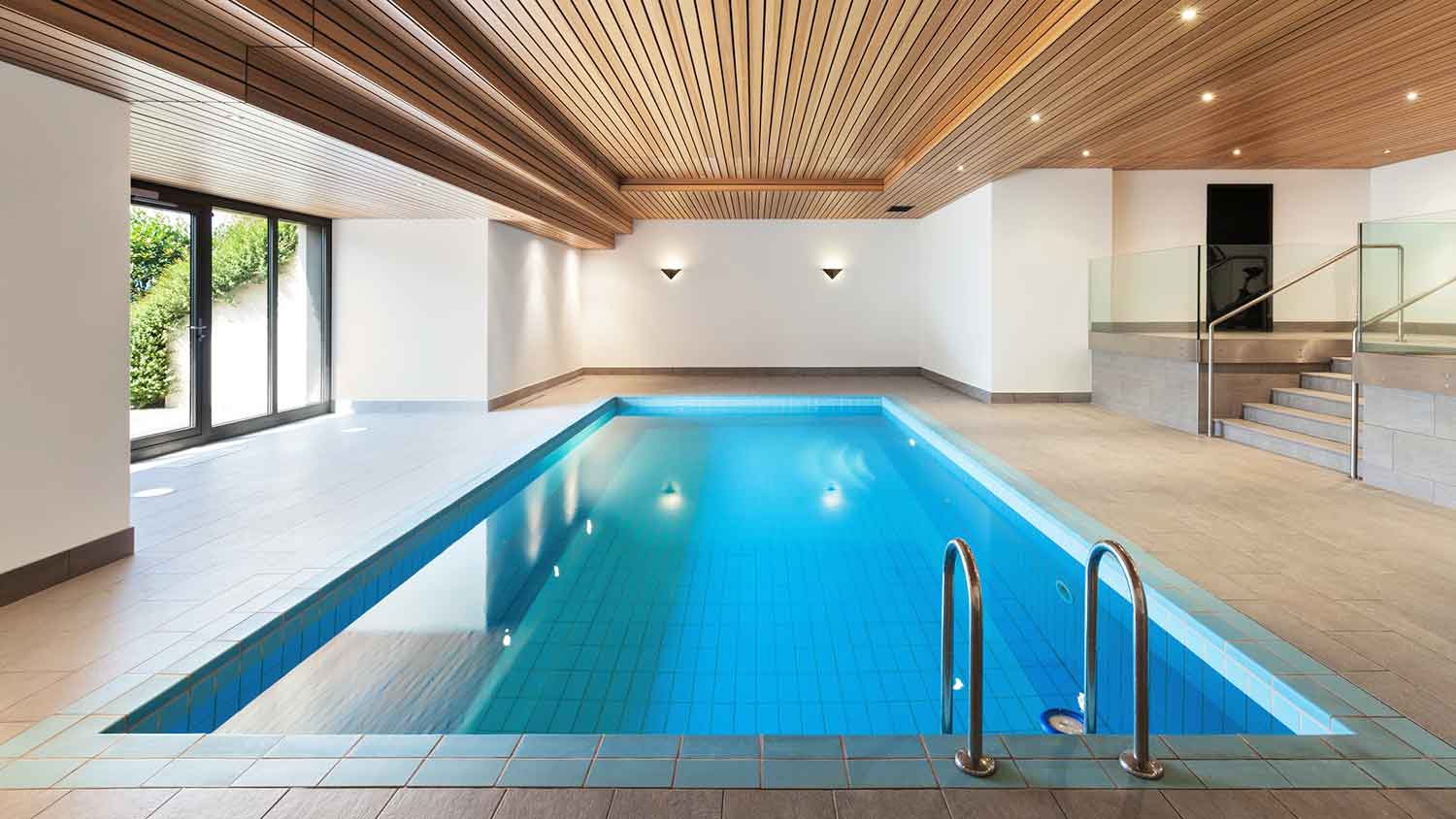
Many factors affect indoor pool costs. From different types and shapes to installation and maintenance, here’s what to consider when pricing out your project.
How much does it cost to fill a pool with water? It depends on the size of your pool and where you’re getting the water. This guide can help you budget.
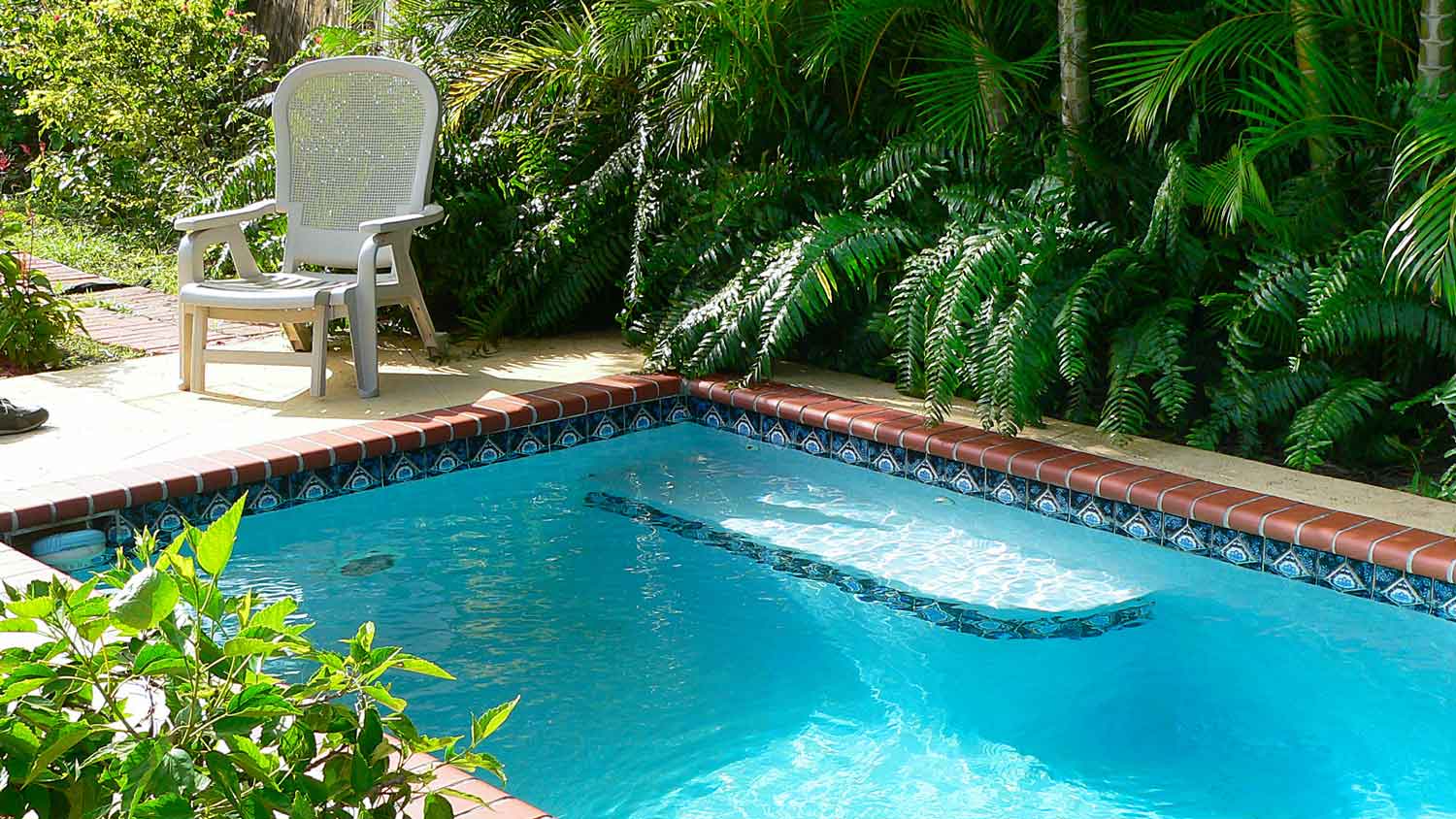
From soaks to aerobics to cold dips, having a plunge pool offers tons of benefits. Learn everything you need to know about DIY plunge pool ideas and tips.

When you need to cool off, a plunge pool may just be the answer. But what is a plunge pool? Find out everything you need to know about this water feature.
Not sure what type of pool would suit your yard best? Use this guide on the different styles and designs to maximize appeal and utility.