


Whether you’re looking to hire a pro or DIY, the cost of a kitchen design can add up quickly. Learn the cost factors involved in designing your kitchen.
Kitchen and bathroom remodel costs depend on your project and location. Check with a local pro for your specific job.

A new kitchen installation costs between $35,000 and $95,000, with your square footage and material selections determining the final total.
Your choice of cabinetry material affects your budget significantly, with solid wood costing more than laminate or wood veneer for your project.
You should budget for prep work like electrical lines, plumbing setup, and gas line installation if you are building from scratch.
Hiring a local kitchen remodeling professional ensures your project is done well and helps the property retain maximum value.
In 2026, the national average cost for a new kitchen installation is $65,000, based on 417 verified projects from Angi Pros. Most homeowners pay between $35,000 and $95,000, with the spread driven by kitchen size, material selections, and the scope of prep work like plumbing, electrical, and gas line installation.

Several key factors shape your kitchen installation cost, and knowing them upfront helps you build a realistic budget. The sections below break down the most important variables to consider.
The type of kitchen you're building is one of the biggest drivers of your total project cost. Building an outdoor kitchen costs anywhere from $6,100 to $25,000, while a kitchenette in a supplementary living space runs around $45,600. A standard full-home kitchen falls at the higher end of the cost spectrum compared to these alternatives.
A new kitchen costs $100 to $300 per square foot, while a remodeled kitchen ranges from $75 to $250 per square foot. Larger kitchens with more cabinetry, countertops, and appliances will naturally push costs toward the higher end of those ranges.
Your material choices are one of the most controllable factors in your kitchen installation budget. High-end and custom materials cost significantly more than standard or non-custom alternatives. For example, quartz countertops cost less than granite in most cases, and solid wood cabinetry will run higher than wood veneer or laminate.
Labor for a kitchen installation accounts for about 25% of your total project cost. Most kitchen remodeling contractors charge a percentage of the overall project rather than an hourly rate, so your labor costs will scale with the scope and materials you choose.
Building a new kitchen from the ground up requires budgeting for essential prep work, including running electrical lines, setting up plumbing, and installing gas lines if you're adding a gas-powered stove. If these utilities are already in place, you can save roughly $500 to $2,000 or more. Confirming the status of existing utility connections before finalizing your budget is a smart first step.
When installing a new kitchen, consider the costs of these common projects:
Kitchen cabinets: $2,000–$10,600
Countertop installation: $1,900–$4,400
Sink installation: $220–$650
Kitchen faucet: $160–$370
Garbage disposal installation: $100–$1,500
Tile backsplash: $500–$1,700
Tile flooring: $400–$6,500
Appliances: $350–$8,000
Light fixtures: $160–$950

Beyond the core installation, several additional expenses can affect your final kitchen installation cost. Factoring these in early helps you avoid budget surprises as the project progresses.
Home appliances cost anywhere from $2,200 to $26,500 depending on size, brand, and age. Basic kitchen appliances include a stove, microwave, refrigerator, and dishwasher. Opting for high-end models or adding multiple tabletop appliances can push your total well beyond that range.
Kitchen lighting costs vary based on your kitchen lighting ideas, the type and number of fixtures, and whether you handle installation yourself. Overhead lighting typically runs $100 to $500 or more. For task lighting and a more polished look, the cost of under-cabinet lighting adds $230 to $300 per light.
Essential plumbing fixtures are a necessary budget line for any new kitchen. Installing a sink costs between $220 and $650 on average. You should also plan for the cost of a garbage disposal, which runs between $150 to $950 depending on the unit and installation complexity.
Once the structural work is complete, you can focus on designing a backsplash pattern, selecting kitchen paint colors, and personalizing the space. Budgets for finishing touches vary widely, so mapping out your priorities before spending helps keep costs in check. Decorative work is also the best place to DIY, since you're dealing with aesthetics rather than structural or utility systems.
On average, the labor fees you'll pay when hiring a kitchen remodeler near you will total between $16,000 and $32,000, making it a large investment. Still, it's worth hiring an expert who can coordinate all of the different pros necessary to complete the project, help you choose materials that suit your design preference and will stand up to constant wear and tear, and install everything with proper permits and technique for legality and longevity.
There are a few important benefits you get from hiring a professional that make the investment worthwhile:
Professionals can ensure that each aspect of the job, like electrical, plumbing, flooring, and more, is done properly and in a timely manner.
Pros are much less likely to make mistakes, which means a nicer appearance that adds more to your home value.
Experts can often get discounts on materials that can end up saving you money on countertops, flooring, and more.
Pros will pull proper permits for the work to legalize all renovations.
Experts can make more dramatic changes than DIYers, so you can include relocating fixtures or even changing structural components when you hire a pro.
Many kitchen remodelers offer warranties for their work, which means you get added peace of mind.
You should leave the bulk of the work to your pro, but there are some smaller tasks you can tackle yourself if you want to have a hand in the renovation process:
Consider handling the demolition yourself if you're comfortable.
Haul away debris or rent a dumpster to clear everything away.
Tackle smaller projects, like hanging drywall and painting the walls.
Choose and purchase materials before your pro arrives.
Do the finishing touches yourself, like installing cabinet hardware and connecting plumbing and electrical fixtures.
Common kitchen add-ons can meaningfully expand your project scope and budget, so it pays to consider them early in the planning process. Below are some of the most popular upgrades to factor into your kitchen installation, along with their average costs:
| Add-On | Average Cost in 2026 |
|---|---|
| Cost to build a pantry | $1,100–$2,900 |
| Kitchen island cost | $3,000–$5,000 |
| Kitchen designer cost | $4,300–$29,000 |
| Soft-close drawers cost | $40–$100 each |
Follow these tips to cut costs when budgeting for this big-ticket project.
Determine a budget before starting the project and stick to it. Avoid unnecessary splurges and prioritize based on function and need.
Choose factory stock cabinets with standard kitchen cabinet dimensions over custom builds.
Check out thrift stores and architectural salvage yards for unique, affordable finds.
Plan an efficient layout to minimize plumbing and electrical changes.
Obtain multiple quotes from contractors and suppliers to find the best deals and negotiate prices.
Opt for energy-efficient appliances and lighting to save on utility bills in the long run.
Be ready to discuss material preferences with your pro, from flooring type to cabinet quality and appliance colors.
Make sure your pro knows about any structural changes or plumbing fixtures and appliances you intend to move.
Ask your contractor if their work comes with a warranty and what their process for fixing problems is.
Discuss a timeline for your project and understand how long you’ll be without key appliances.
Home is the most important place on earth, which is why Angi has helped more than 150 million homeowners transform their houses into homes they adore. To help homeowners with their next project, Angi provides readers with the most accurate cost data and upholds strict editorial standards. We extensively research project costs to develop the pricing data you see, so you can make the best decisions for you and your home. We rely on reputable sources, including the U.S. Bureau of Labor Statistics, academic journals, market studies, and interviews with industry experts—all to ensure our prices reflect real-world projects.
Want to help us improve our cost data? Send us a recent project quote to [email protected]. Quotes and personal information will not be shared publicly.
Jason has helped me with multiple household projects, with the most recent being new door installation. He has always showed up on time and organized and has done an incredible job! Jason is very professional and he's now my go-to for anything around my house that needs to be fixed or...
 Huff Garage Rescue, LLC
Cole has been handling plumbing and general contracting for our four properties over the past three years, and he’s always done a great job. Most recently, he installed a sink and countertop in our retail store where none existed before, and it turned out exactly how we needed. He’s...
 ANB Renovations LLC
1st Choice Renew is simply the best! We hired them for a complete home renovation, and they transformed our space into something truly amazing. The team attention to detail and commitment to quality were evident throughout the project. They were easy to work with, very responsive, and always...
 Save A Dime
This company went above and beyond with their work, chimney sweeps are usually pretty messy, but the clean up was spot on.!! Josh explained every thing that he was doing, and the things that he was checking to make sure the chimney was safe for me and my family. He was very professional,...
 Supreme brick & chimney
Custom Paint Jobs LLC turned our outdated bathroom into a modern masterpiece.
 Custom Paint Jobs, LLC
Excellent customer service and knowledge. I was recommend to him from my neighbour. My front door and window came in great and were installed beautifully perfectly, I m very satisfied with their excellent work, so decided to order one more big bow window for my living room. I cant wait for...
 Window Depot USA of Central Ohio
If I could give 10 stars for Kitchen Tune Up, I would. I cannot say enough good things about my experience with Kitchen Tune Up and the entire team involved in the process of my kitchen project. They went above and beyond as far as service and quality with my cabinets, paint, countertops, and...
It was wonderful working with Yordy and his team. They were very professional and are experts in what they do. They have completed the work on time, with better quality and with in fairly reasonable price. We just started with backsplash work , but liking his work, we went on to provide...
 Flooring Solutions
We were having 2”x 2” tile installed . There was a small installation error and the new additional replacement tile was from a different lot and the colors didn’t match. Joe assured us that he would rectify everything , which he did without hesitation. We decided to go with the 18” x 36” tile...
 CarifaTile
They work that 360 did on my kitchen cabinets is nothing short of amazing. I still cannot believe the difference from before and after. Jon and Jeff were both so incredibly professional throughout the whole process and their communications with me were constant and consistent. These guys...
 360 Painting Columbus
From average costs to expert advice, get all the answers you need to get your job done.
Whether you’re looking to hire a pro or DIY, the cost of a kitchen design can add up quickly. Learn the cost factors involved in designing your kitchen.
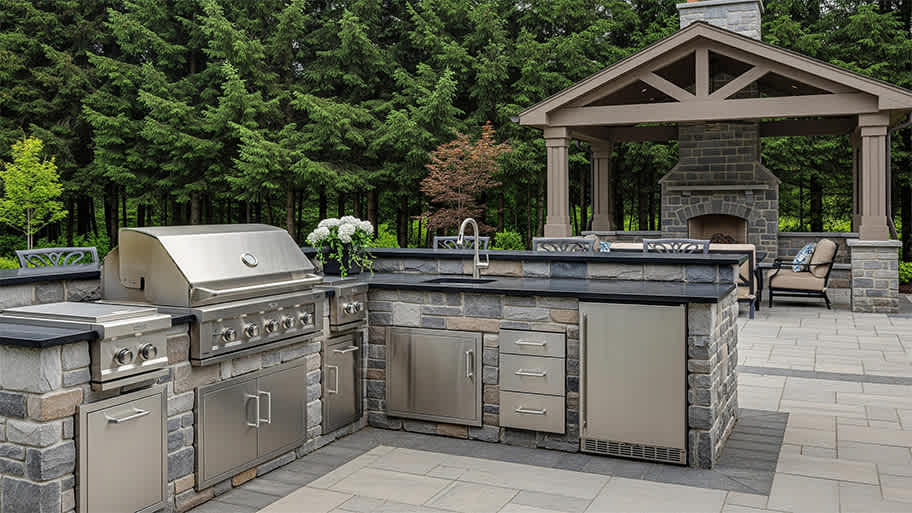
Discover the cost to build an outdoor kitchen, including average prices, cost factors, and tips to help you plan your project and maximize your investment.
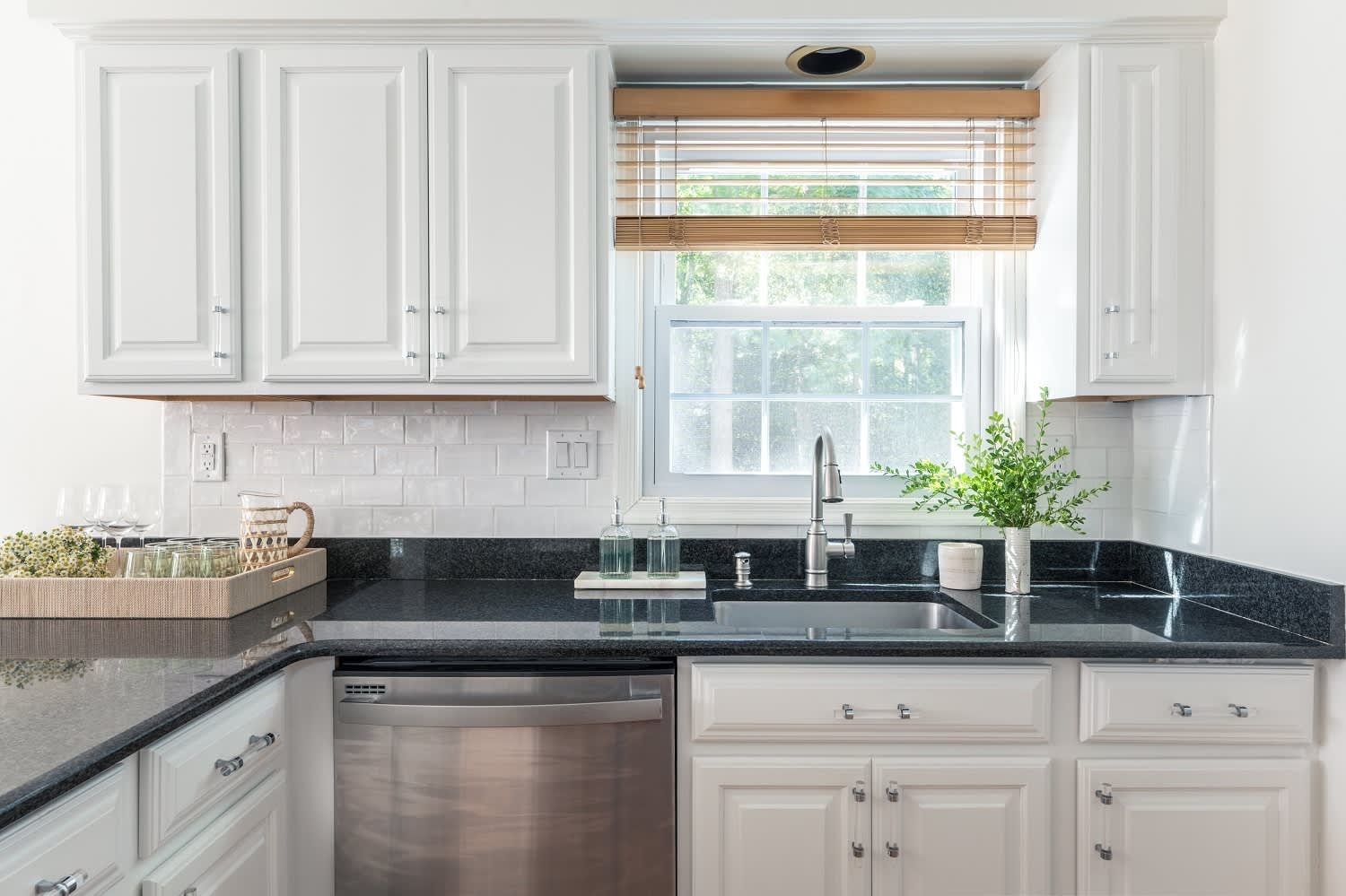
How much does a kitchen remodel cost? Find out the average cost and where you can save money on the path to building your ideal cooking space.
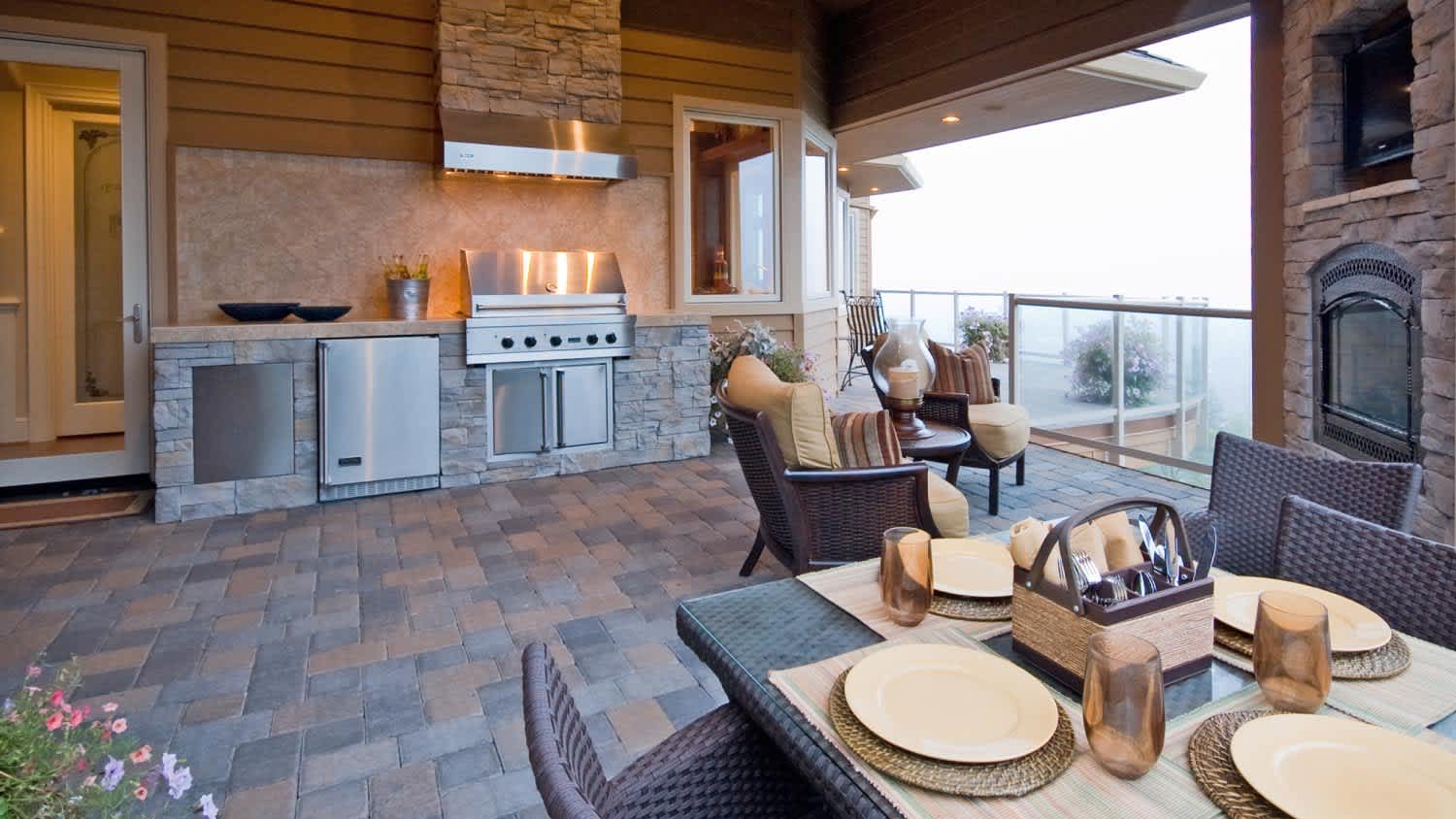
If you dream of dining and cooking al fresco, find out how to DIY an outdoor kitchen to reduce the typically high costs of a home addition like this.
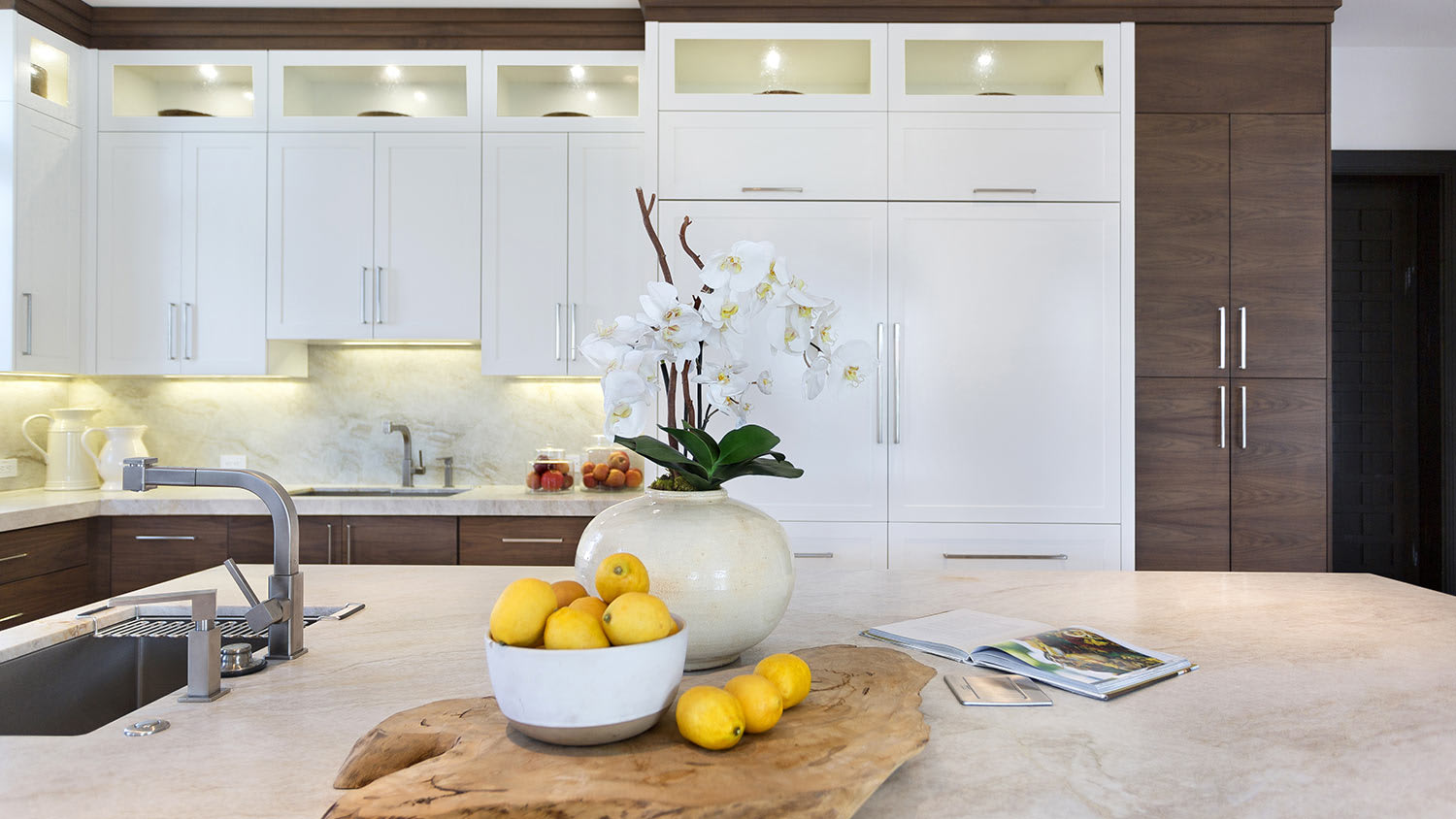
Learn how to find and hire a qualified kitchen designer for your remodel. Get expert tips on questions to ask, credentials to check, and more.

Looking to install a kitchen island but don’t know who to hire? We’ve got you covered. Follow our homeowners’ guide for how to hire a kitchen island contractor.