
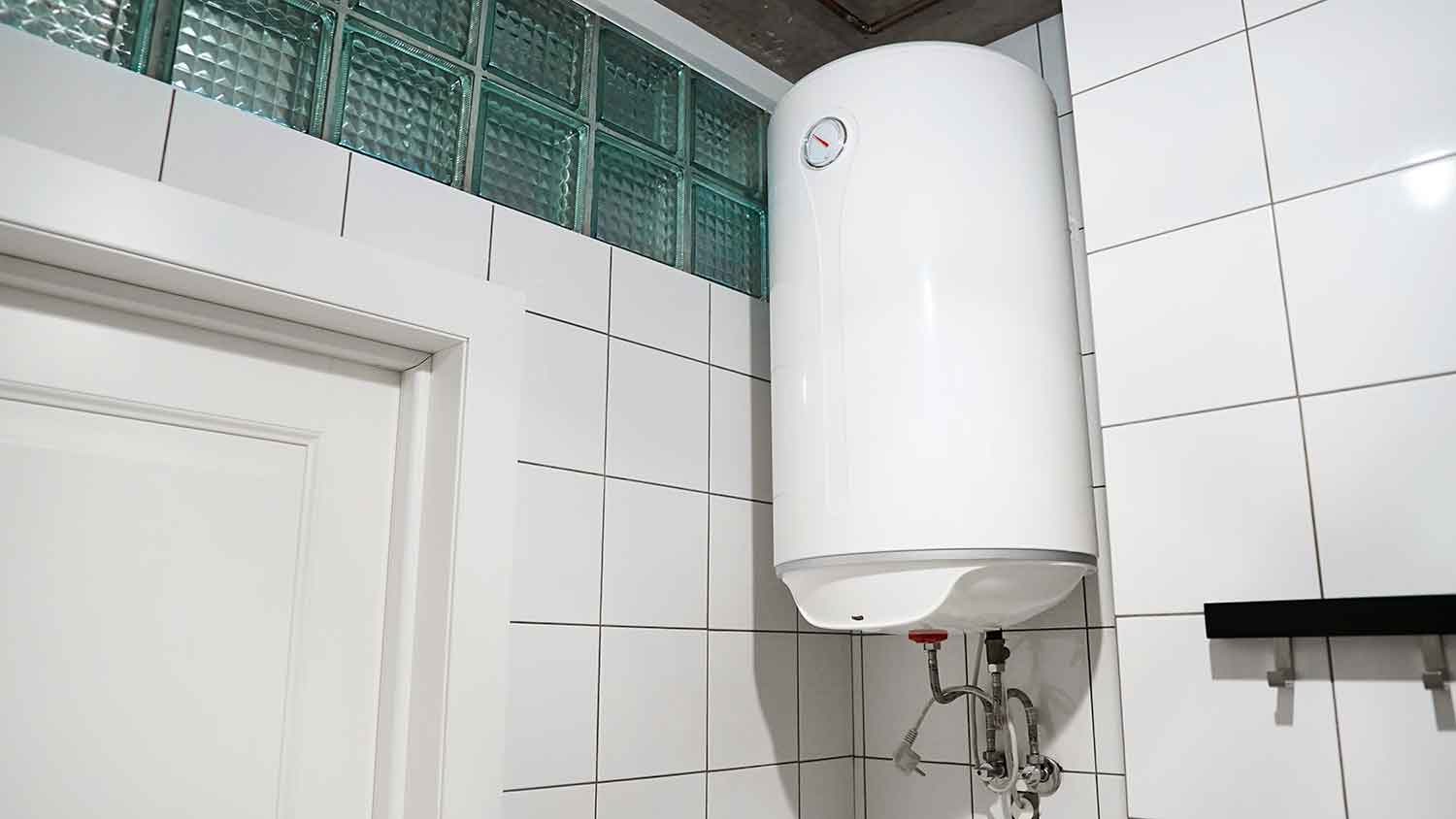
Running out of hot water too quickly or hearing strange noises when you call for hot water? Use this water heater repair cost guide to see what a fix will cost.
No one likes a cold shower

Signs that a water heater is working include consistent hot water temperature, no unusual noises, and no leaks around the tank or connections.
Your water heater inspection checklist should include checking for rust-colored water, testing the water temperature, and listening for banging or clanging sounds every other month.
Flushing your water heater tank at least once a year removes sediment buildup and keeps the system running efficiently for years to come.
Hiring a local water heater repair professional provides reliable support for diagnosing thermostat issues and heating element failures before they lead to bigger problems.
Is your water heater acting up? Maybe the water coming out of the tap is way colder than it should be—or way too hot. The heater itself could have problems, such as making too much noise or leaking. Here's how to check your hot water heater to figure out what's going on—and what you can do about it.
How you check a hot water heater depends on the type of problem you're dealing with, whether it's a lack of hot water, a strange color, or too much noise.
No hot water can be a sign of water heater failure or a temporary, easy-to-fix problem. If the temperature is nowhere near where it should be, the problem could be due to:
A loss of power
A burnt-out pilot light
A faulty heating element
A wonky thermostat
First things first, check to make sure your water heater is getting the power it needs. If it's an electric heater, check the circuit breaker to make sure the circuit hasn't tripped. If it's a gas-powered heater, inspect the pilot light to confirm it's still burning.
To reset a tripped breaker, push the breaker all the way to the offside, then flip it back on. If the pilot light has gone out, follow the instructions on your heater to re-ignite it. If the light keeps going out or the breaker keeps tripping, call in a pro to take a look.
Figuring out if the thermostat or heating element is to blame for your lack of hot water takes a bit more work. To avoid dismantling your heater on your own and the safety risks involved in doing so, your best best is to call a water heater repair professional near you to check things out.
Maybe you're having the opposite problem, and the water coming out of the tap is way too hot.
This can be a quick fix, as it's possible that the heater's thermostat was adjusted upward. Check it and return it to 120 degrees Fahrenheit to cool things off.
If the thermostat is set to 120 degrees and the water is still way hotter than it should be, the thermostat could be broken, or the heating element working overtime.
Signs of an overworked heating element include mineral build-up on the heater or too much pressure in the heater. Try flushing the water heater or resetting the pressure release valve to lower the temperature.
Brown or rust-colored water often means one thing: corrosion inside the water heater tank.
Fixing corrosion depends on the source. Hire a repair professional to inspect the heater and identify the source of the rust. In some cases, it could be due to a worn-out anode rod in the center of the heater. A water heater repair pro can easily replace the rod for you.
If the tank's lining is worn out or cracked, a quick fix is likely not possible. In that case, replacing the entire water heater is the best solution.
If you see water pooling around the base of your water heater or pouring out its sides, it's time to determine where the leak is coming from.
First, examine the inlet pipes that connect to your heater. If you notice any loose connections, use a wrench to tighten them.
If water is streaming down the sides of the heater's tank or pooling on the floor, the cause is likely a crack or split in the tank somewhere, due to sediment buildup or corrosion. In this case, you'll need to replace the entire heater to stop the leaking.
Water heaters are supposed to make some noise. But if yours is banging, clanging, or whistling, that could be a sign of a problem.
Sediment build-up is a common reason for a noisy water heater. Draining the tank and releasing any pressure from it should help to reduce the noise.
Loose pipe connections can also lead to a noisy heater. Inspect the pipes around your heater to see if the connectors are tight. If they're loose, you can use a wrench to tighten them.

Preventative maintenance on a water heater can help to reduce or keep away issues and extend the heater's lifespan.
Inspect your water heater regularly, at least every other month. Your water heater inspection checklist should include the following:
Listening for unusual noises
Looking for signs of leaks
Testing the water temperature
Looking at the water's color
Assessing the water pressure
Along with inspecting your heater regularly, flush the tank at least once a year, to remove any sediment and help it continue to function efficiently.
If you’re good people wanting to do business with good people, hire Matt. He is a consummate professional and utterly competent. He installed a water heater in my home at a price that beat competitors by hundreds of dollars with a promise to support the unit for its life (even after its 6 yr...
 Greene's Plumbing Services
As usual with ECO, tech Jordan was outstanding, very professional, very knowledgeable, and very thorough with repairs made to tankless water heaters. Very highly recommend ECO!!!
 Eco Plumbers, Electricians, and HVAC Technicians
Did a great job replacing the ice maker and water regulator on my refrigerator. He was quick and thorough, very friendly and professional. If I needed a heart transplant I'd want him to do it!!!
We had a gutter blockage that was causing water to sheet down the side of the house and ultimately it started to come in at a window (need mortar people next). Called around 7:30am, and he responded by 8am. He was able to come out the same morning and do a look over and clean out. He also...
Scott checked our large crawl space for mold and water infiltration and recommended a viable solution. The crew was efficient and they cleaned up well after the job. The job was expensive but I am confident that I won't have to deal with the problem again. Highly recommend.
 AdvantaClean of Dublin
They were the most through inspecting the water system in my house. Even going the extra mile to get the water professionally tested for contamination.
 Hague Water Conditioning, Inc.
Very well. Have already used them again to fix hot water heater
 Service Olympians
The Paul Davis team was very professional and went the extra mile to take care of my water damage. The work was very high quality and done in a timely manner. I would highly recommend their services.
 Paul Davis Restoration
Honesty is hard to find in business today. GBR met me today at a 3 story building regarding my being told that I needed to tuckpoint the brick because of water leaks. The owners took the time to evaluate the situation and advised me that I did not need their service at all. They pointed me...
 GBR Masonry Inc
They unclogged the drain and sent me a bill for more than 4 times what I paid before. I called the Water Works to ask why the bill was so high and that they should have gotten my authorization before assuming they could make expensive decisions like that on my behalf and for their benefit....
 The Waterworks
From average costs to expert advice, get all the answers you need to get your job done.
Running out of hot water too quickly or hearing strange noises when you call for hot water? Use this water heater repair cost guide to see what a fix will cost.

A water heater flush costs $160 on average but can vary based on the unit size, type, labor, location, and more. Keep reading to learn how much you could pay.

Learn about the different factors that go into water heater gas valve replacement costs to see if you should DIY the project or call a pro.
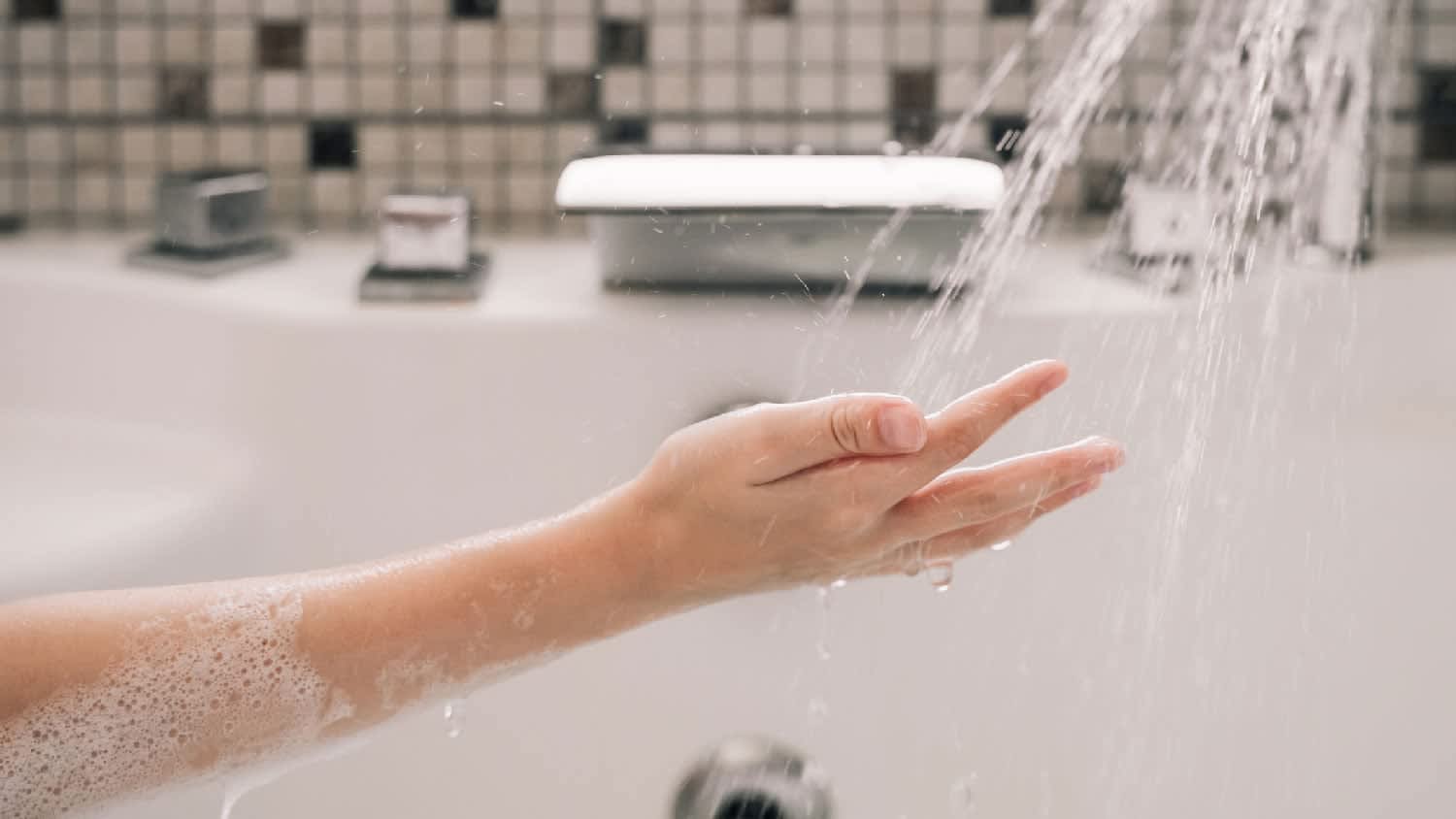
Instant hot water at your fingertips is closer than you think. Learn how a hot water heater recirculation system can deliver hot water quicker than ever.
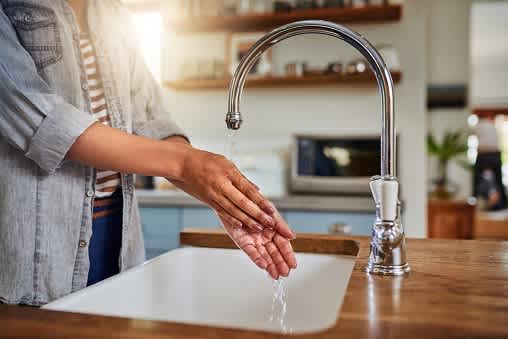
If your water heater is getting warm but not hot, a faulty thermostat, sediment, or more could be to blame. Learn how to spot and solve the problem of a water heater that’s not hot enough.
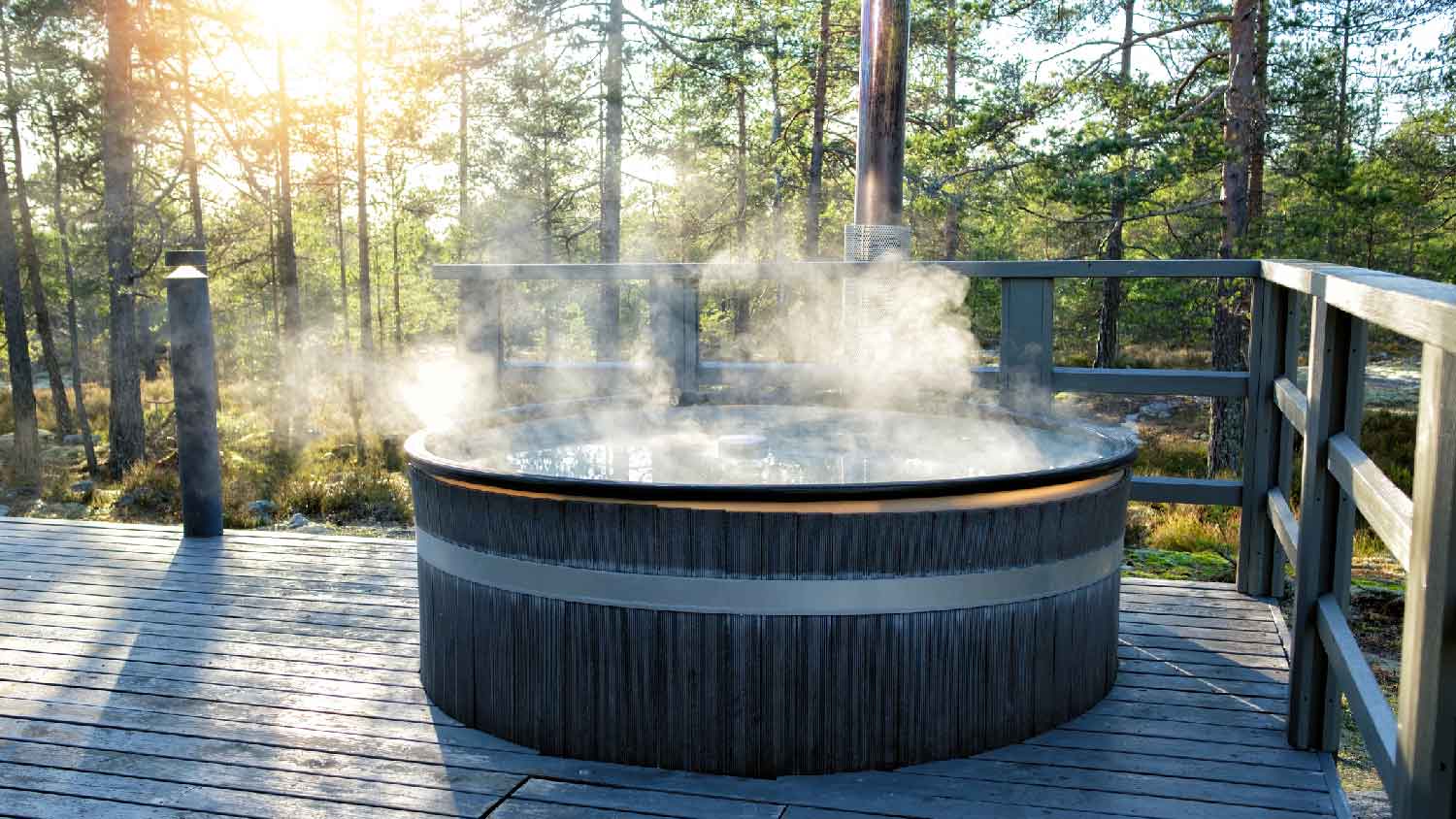
Knowing how a hot tub heater works is vital for maintenance and troubleshooting. This guide can help you care for this important component.