

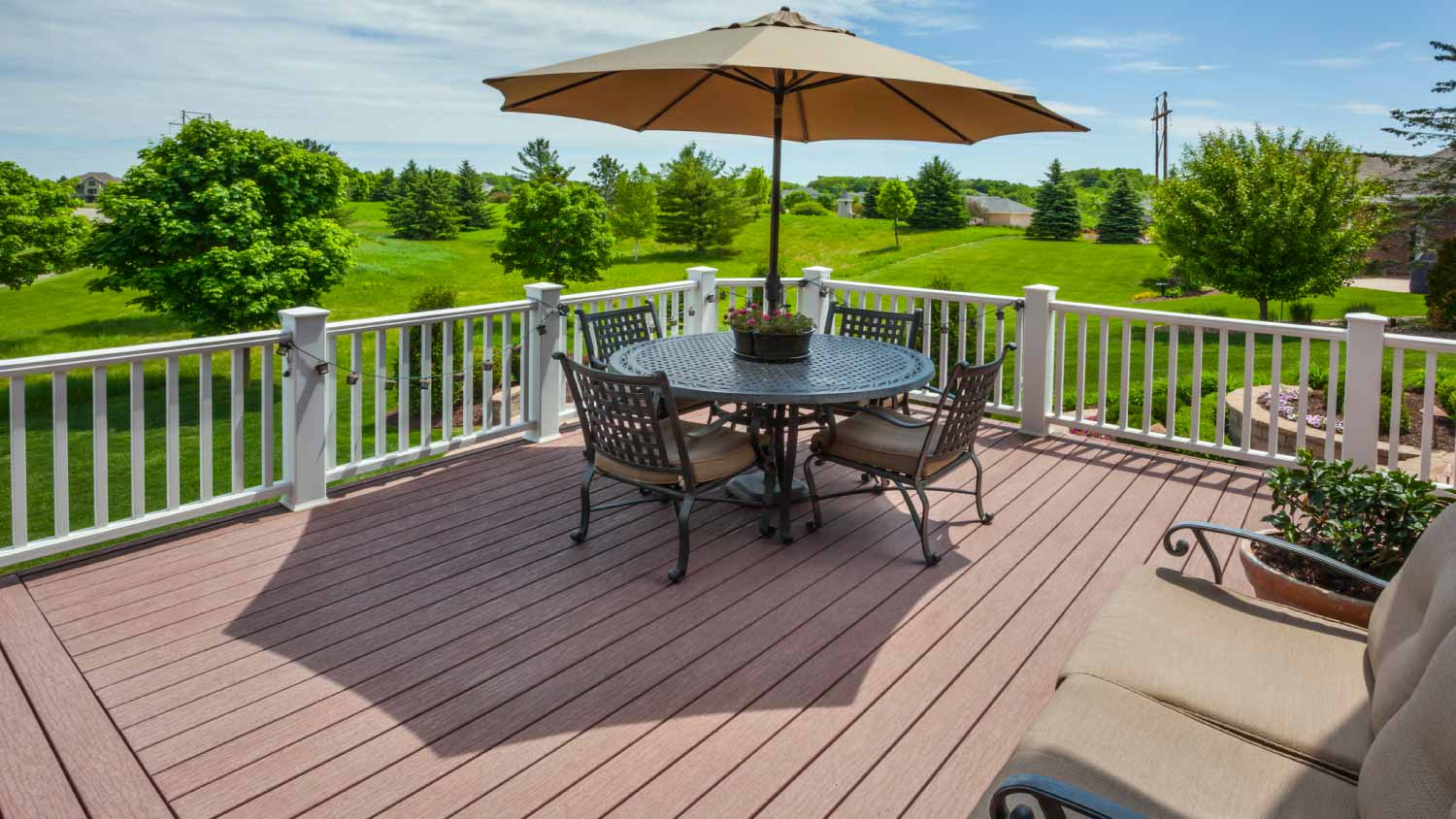
The cost of expanding your outdoor space with an elevated deck depends on the project size and the materials used. Plan your project budget with this guide.
Deck and porch service costs depend on your project and location. Check with a local pro for your specific job.

Professional deck building costs $4,339 to $12,652, and your materials and design complexity drive the final project total.
Your deck location and story level affect labor costs, and sloped yards or second-story builds need extra planning for safe installation.
Account for permit fees from $230 to $500 and potential homeowners insurance premium increases as you budget for your new deck.
Hiring a local deck building professional ensures your structure meets building codes and boosts overall home value with quality craftsmanship.
In 2026, the national average cost to build a deck is $8,319, based on 20,403 verified projects reported by Angi Pros. Most homeowners pay between $4,339 and $12,652, with the range driven primarily by deck size, materials, and design complexity. If your project includes permit fees—typically $230 to $500—or a second-story build on a sloped yard, budget toward the higher end.
By considering factors of how to build a deck, such as labor, deck material costs, and size, you can get an idea of the final price or where you might need to adjust your expectations. Below is a breakdown of the major components to factor into your plans to build a deck.

Deck construction runs $30 to $60 per square foot, with size being the most direct driver of your total cost. Standard ground-level decks with basic materials land closer to the lower end of that range. Second-story builds, high-end wood, or custom designs push costs toward the higher end.
Here is a breakdown of average costs by deck size:
| Dimensions | Square Feet | Average Cost in 2026 |
|---|---|---|
| 10x10 | 100 | $4,000–$6,000 |
| 10x12 | 120 | $3,600–$7,200 |
| 12x12 | 144 | $5,760–$8,640 |
| 12x16 | 192 | $5,400–$10,800 |
| 12x20 | 240 | $9,600–$14,400 |
| 14x20 | 280 | $11,200–$16,800 |
| 12x24 | 288 | $11,520–$17,280 |
| 16x20 | 320 | $12,800–$19,200 |
| 20x20 | 400 | $16,000–$24,000 |
Deck material costs make up a large portion of your total budget, ranging from $2 to $45 per square foot, depending on what you choose. Budget-friendly options like pressure-treated wood sit at the low end, while premium hardwoods and metals reach the high end. Choosing a less-expensive material can be tempting, but lower upfront costs often mean higher long-term maintenance expenses that require you to hire a local deck contractor to handle.
Here are the average costs of some common decking materials:
| Decking Material | Average Cost per Square Foot in 2026 |
|---|---|
| Pressure-treated wood | $2–$5 |
| Composite decking | $12–$22 |
| Ipe Wood | $10–$20 |
| Tigerwood | $7–$15 |
| Mahogany | $8–$11 |
| Redwood | $5–$35 |
| Bamboo | $3–$10 |
| Cedar | $3–$7 |
| Aluminum/Metal | $15–$20 |
Here's a breakdown of the materials and their costs:
Pressure-treated wood is a classic and durable decking material that costs around $2 to $5 per square foot but has higher upkeep requirements.
Composite deck materials cost between $12 to $22 per square foot for materials only or $25 to $54 per square foot for an installed composite deck. They’re mostly recycled materials, so they’re a sustainable decking choice.
Ipe wood decking costs around $10 to $20 per square foot on average but is more difficult to work with.
Tigerwood costs about $7 to $15 per square foot. It has a beautiful and distinct striped pattern, so it’s one of the best wood for decks if you’re looking for an aesthetically appealing material.
Mahogany costs $8 to $11 per square foot and is lower-maintenance than many materials.
Redwood decking costs between $5 and $35 per square foot, and it naturally repels pests.
Bamboo decking costs $3 to $10 per square foot. It’s strong, relatively inexpensive, and resists mold and rot, though it’s not ideal for northern climates.
Cedar decking costs $3 to $7 per square foot and naturally resists bugs, moisture, and UV rays.
Metal or aluminum decking costs $15 to $20 per square foot, and they’re lightweight, long-lasting, waterproof, and low maintenance.
A floating deck costs about $20 to $60 per square foot because it requires extra support posts to remain structurally sound without being attached to your home. The complexity of your deck design is a primary cost driver, with types of decks like wraparound, multi-tier, and rooftop builds requiring greater accessibility, more prep work, and additional materials. Simpler rectangular designs on flat ground are the most cost-effective starting point for most homeowners.
Professional labor to build a deck costs $15 to $35 per square foot on average, making it one of the largest line items in your project budget. Most homeowners find that hiring a pro is the more cost-effective choice in the long run, since DIY mistakes can lead to expensive repairs down the road.
Where you build your deck affects the total project cost in several ways, with sloped yards and hard-to-reach sites increasing both planning time and labor expenses. Contractors may charge more when hauling materials to an inaccessible location adds difficulty to the job.
Your geographic location matters too—homeowners in high cost-of-living cities typically pay more for labor than those in rural areas. Permits and local materials availability are additional location-based factors to account for in your budget.

A first-story deck costs $1,000 to $2,000, and a second-story deck costs $4,000 to $5,000. A second-story deck costs significantly more to build because the installation is more complex and labor-intensive. The most common and cost-effective placement is a first-floor deck attached to the back of your home.
The price difference between the two can be substantial, as the examples below show:
10x10 first-story deck: $1,000–$2,000
10x10 second-story deck: $4,000–$5,000
Framing a deck—the process of setting the joints to make the structure safe and sound—costs $9 to $12 for labor per square foot. The lumber required for framing typically accounts for about one-quarter to one-third of your total lumber needs for the project.
Installing flooring over a wood deck runs $20 to $45 per square foot on average, with the material you choose being the primary cost factor. Pressure-treated lumber is the most budget-friendly option at $15 to $25 per square foot. More elegant choices like porcelain or ceramic tile can add thousands—or even tens of thousands—to your total depending on the size of the deck.
Owning a deck comes with ongoing maintenance costs, ranging from $270 to $7,500, and the decking material you choose is the biggest factor in how much you'll spend each year. Wood decks generally require more upkeep than composite or metal options. Budgeting for routine maintenance from the start helps you avoid larger repair bills down the road.
The following are the average costs for typical ongoing deck costs:
Deck repairs: $270–$7,500
Cleaning your deck: $30–$60/hour
Staining a deck: $550–$1,250
Painting a deck: $500–$2,000
Sealing a deck: $550–$1,330

Beyond the core build, several additional costs can affect your total deck budget. Knowing what to expect before you start helps you avoid surprises once the project is underway.
Deck permits cost between $230 and $500 in most areas, though whether you need one depends on your location and the size of your deck. In some jurisdictions, your deck won't need a permit if it's small (under 200 square feet), low to the ground, and not attached to your house. Check with your local building department early in the planning process to confirm what's required in your area.
Adding a deck to your home can raise your homeowners insurance premiums, since it introduces additional liability and increases the insurable value of your property. Decks create fall and trip hazards, and they're also exposed to risks like fire or severe weather. Talk to your insurance provider before or during the planning process to understand how a new deck will affect your coverage and premiums.
Hiring a local deck building pro may cost more upfront, but you gain a safer structure, better craftsmanship, and long-lasting results. Professionals understand structural requirements, materials, and local codes, ensuring your deck is built to withstand weather, wear, and time—often preventing costly repairs later.
Building a deck is a major construction project that requires planning, precision, and experience. Here are some of the top reasons to work with a pro:
Deck building pros ensure the structure, footings, and framing are properly designed for safety and durability.
They have the tools and expertise to work with a variety of materials, including pressure-treated wood, composite, and hardwood decking.
Working with a pro helps ensure your deck meets local building codes and permit requirements.
Professionals deliver a polished finish, from level boards to secure railings and stairs.
Bundling deck construction with services like staining, sealing, or custom features can reduce overall project costs.
If you want to handle some parts of the project yourself, these tasks can help save time and labor costs:
Clear and level the area where the deck will be built, removing debris or obstacles.
Decide on the deck size, layout, and materials in advance to streamline the building process.
Check local HOA guidelines or zoning rules early to avoid delays.
Move outdoor furniture, grills, or landscaping elements away from the construction zone before work begins.
Here are some other costs you might incur if you upgrade from a simple deck build:
| Deck Add-On | Average Cost in 2026 |
|---|---|
| Staircase | $25–$50 per stair |
| Electricity | $130–$300 per outdoor outlet |
| Outdoor lighting fixtures | $10–$30+ each |
| Heaters | $100–$300 |
| Outdoor misting system | $2,100–$3,400 |
| Sofa, chairs, and table | $500+ |
| Outdoor fireplace | $1,500–$8,000 |
| Retractable deck awning | $250–$3,500 |
You can use your cost savings from building your deck to supply your future summer BBQ budget. Here are three ideas to help keep your new deck project costs down.
Wraparound and multi-tier decks, as well as decks installed in tough locations to access, will always cost more than a simple rectangular design. Work with a local deck contractor to create a design that fits your aesthetic goals without going over your budget.
Higher-end woods may look sleek, but you could pay twice as much for expensive lumber like redwood as you will for simple pressure-treated lumber.
Pressure-treated lumber costs more per square foot on the front end but will reduce the cost of maintenance compared to untreated wood once your deck is finished. Speaking of deck maintenance tasks, less-expensive materials, like wood, require a good amount of it. You’ll need to plan on spending around $700 to $1,600 per year to have your deck power washed and resealed.
Deck contractors with a waitlist have been known to drive up their prices to accommodate demand. If possible, build your deck in the winter or fall when demand for deck installations drops off so you can get the best price possible. As always, get quotes from multiple contractors and only work with licensed, insured, and bonded professionals.
Be ready to discuss with a pro the size, layout, and materials for your deck (such as wood or composite), as these choices affect design, cost, and construction methods.
If there is room in your budget, ask your pro about add-ons like railings, stairs, built-in seating, lighting, or waterproofing.
Be prepared for unexpected costs, such as site preparation, ground leveling, or material price changes that may arise during the build.
Talk with your pro about permits, inspections, and local building codes, as these requirements can impact the timeline and overall cost of building your deck.
Home is the most important place on earth, which is why Angi has helped more than 150 million homeowners transform their houses into homes they adore. To help homeowners with their next project, Angi provides readers with the most accurate cost data and upholds strict editorial standards. We’ve surveyed over 10,000 real Angi customers about their project costs to develop the pricing data you see, so you can make the best decisions for you and your home. We pair this data with research from reputable sources, including the U.S. Bureau of Labor Statistics, academic journals, market studies, and interviews with industry experts—all to ensure our prices reflect real-world projects.
Want to help us improve our cost data? Send us a recent project quote to [email protected]. Quotes and personal information will not be shared publicly.
One of my old tall evergreen trees was suddenly leaning toward the busy street in front of my house. I submitted a request for an emergency tree inspection, and Alejandro, owner of Cajete Tree Service, contacted me immediately and arrived to look at it just 20 minutes later. We agreed the...
 Cajete Tree Service LLC
Mitchell and the crew were top tier i am so happy with my new roof
 Home Genius Exteriors
1 tree was cut down and 5 others including a large willow tree were trimmed. The Grant Tree Service men were professional and cleaned up afterwards. The cost of the 6 trees were affordable. I am very happy with the results. I would hire them again.
 Grants Tree Service
Archie did a good job cleaning up the driveway before he laid down the sealer. It looks good. He was gracious and even helped me bring up my groceries. His rate was comparable to another company who came out to give me a quote and he talked to me personally rather than just text me a quote...
 Pro Seal Roofing & Paving
We have bought and sold numerous times over the past 50 years. Sherman Hall and Top Line are top notch. Thorough and detailed, he explains every possibility, probability, and eventuality. High class and pleasant. The best.
 Top Line Home Inspections, LLC
D1 Roofing delivers outstanding service from beginning to end, backed by a strong warranty and expert teams. I highly recommend them for their excellence in meeting and surpassing expectations with unmatched communication. Choosing D1 Roofing was flawless decision
 Division 1 Roofing LLC
Couldn't ask for a better company. Josh and Dee were Very professional, efficient, courteous and takes major pride in their work. They will travel to come to your home and will still give you a fair price. They are honest and trust worthy. Their focus is on their work and their work is...
 Supreme brick & chimney
Window Depot did an amazing job on my deck. I wasnt sure what I wanted to do, but their composite decking was affordable and will last a long time. I am excited to have family over, and I am no longer embarrassed by my backyard. Jeff and the ground crew were polite, respectful, and caring for...
 Window Depot USA of Central Ohio
We were having 2”x 2” tile installed . There was a small installation error and the new additional replacement tile was from a different lot and the colors didn’t match. Joe assured us that he would rectify everything , which he did without hesitation. We decided to go with the 18” x 36” tile...
 CarifaTile
Maple Tree Service should serve as a mentor for other business! Customer service was superior and beyond expectation. Response to request was prompt. The representative was very courteous and proud of the company. Quote was given during initial visit and work date established. A follow up...
 Maplewood Tree Service
From average costs to expert advice, get all the answers you need to get your job done.
The cost of expanding your outdoor space with an elevated deck depends on the project size and the materials used. Plan your project budget with this guide.
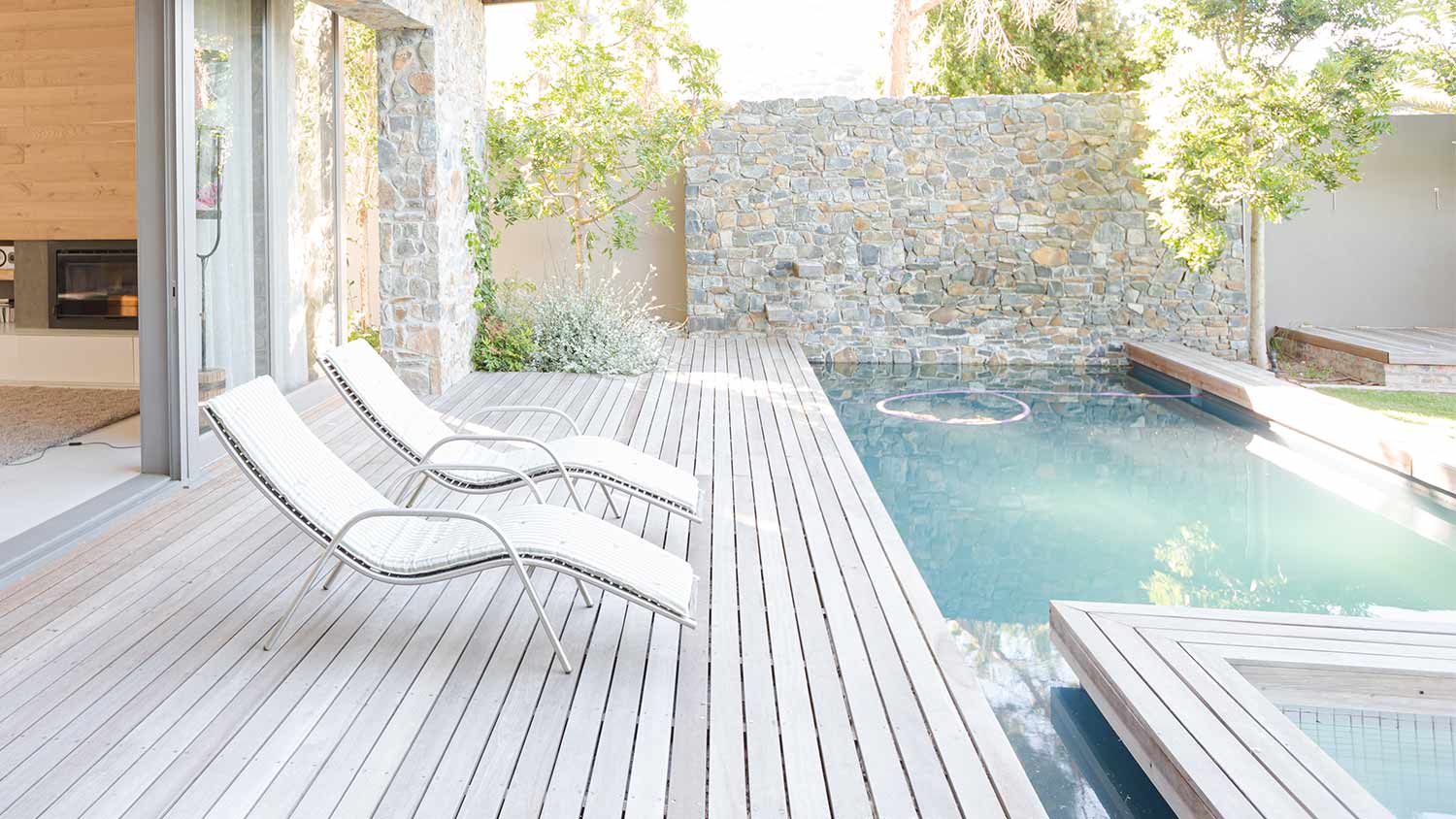
Trying to calculate your pool deck cost? Our guide walks you through both inground and above-ground pool deck cost factors, such as material, location, and labor rates.
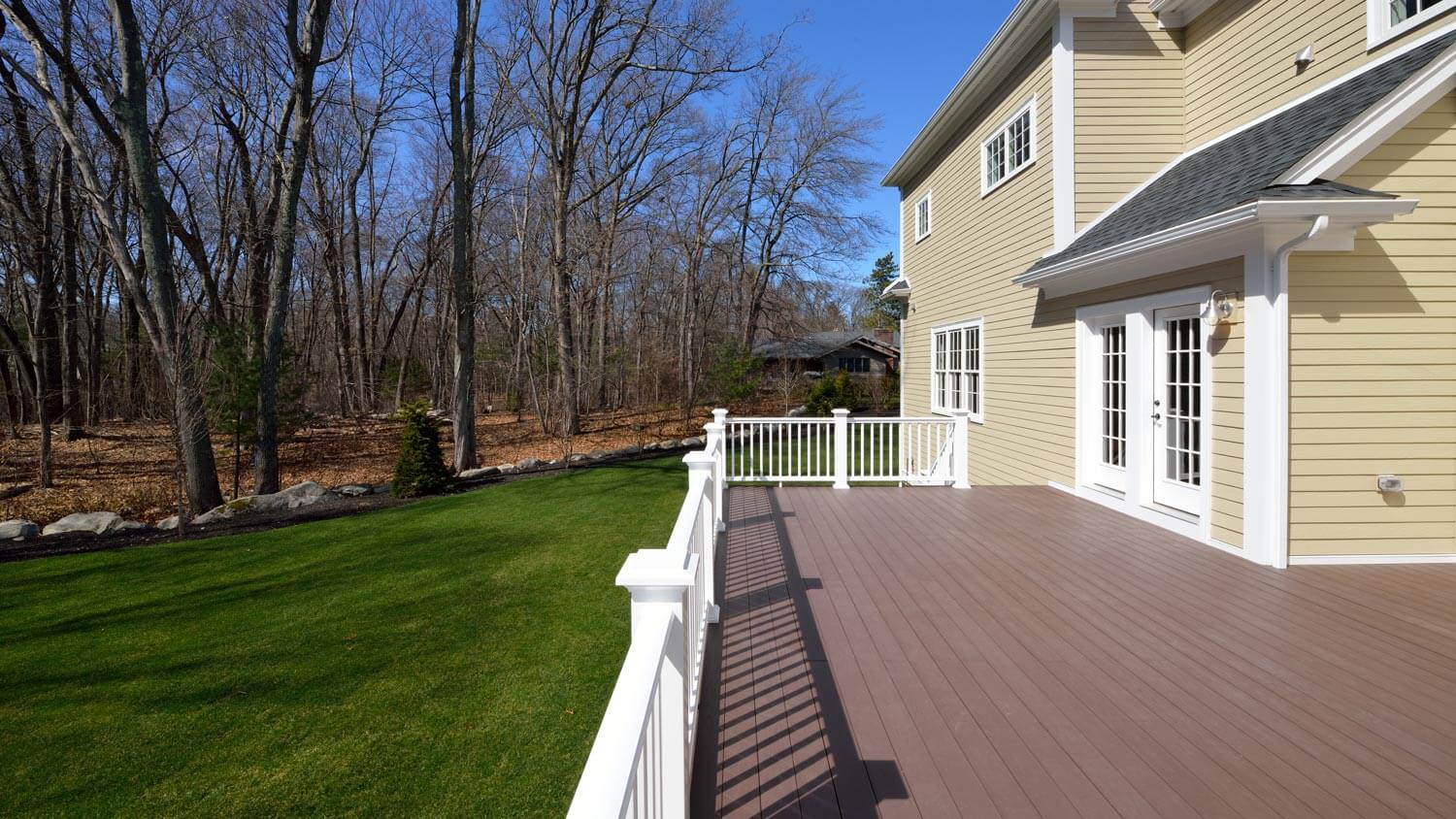
Building a composite deck can increase your home’s appeal and value. Composite decking costs depend on the size of your deck, the materials, labor, and more.
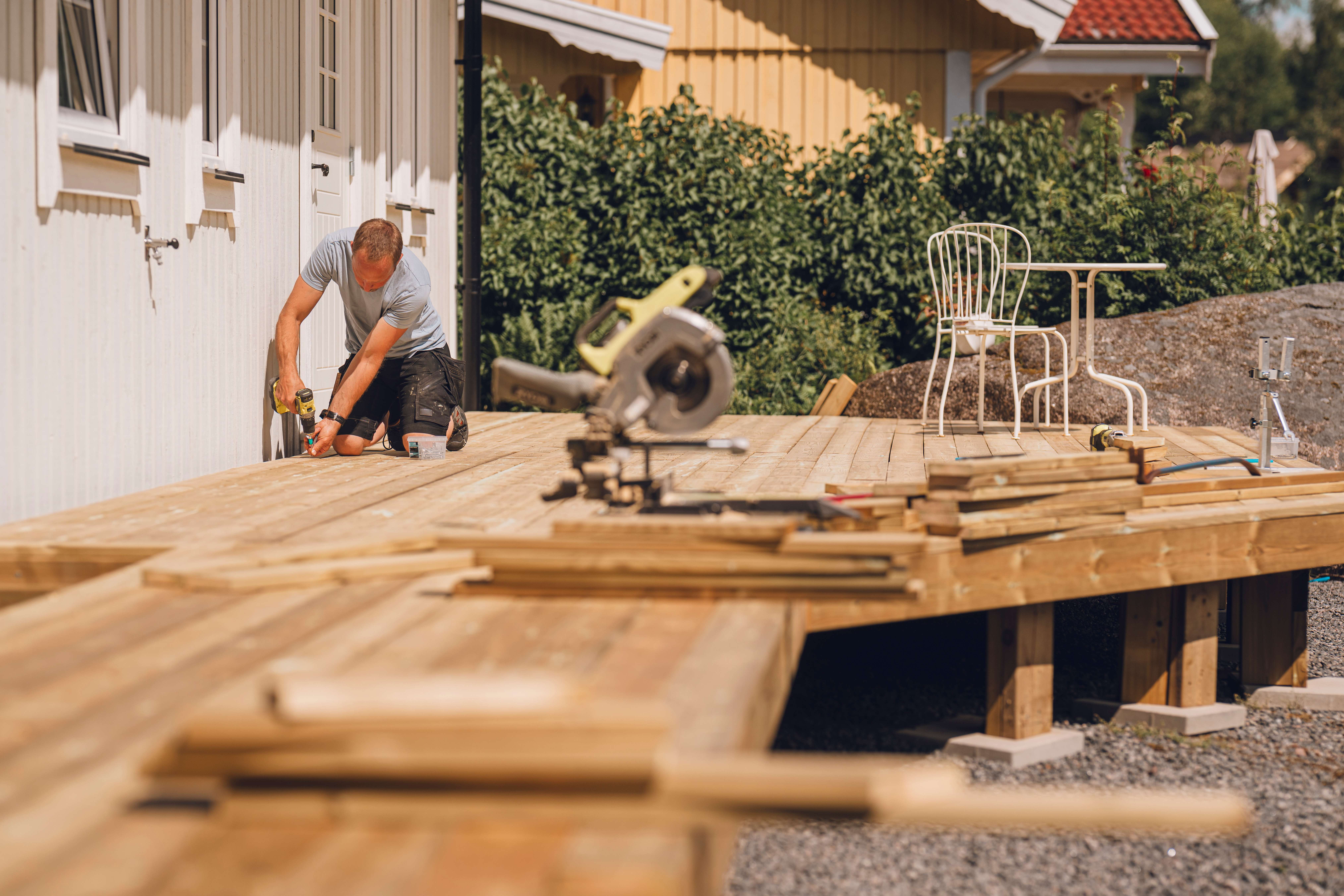
Save time and money by learning how to hire a deck-building pro who has the qualifications and skills to design and build your dream deck.
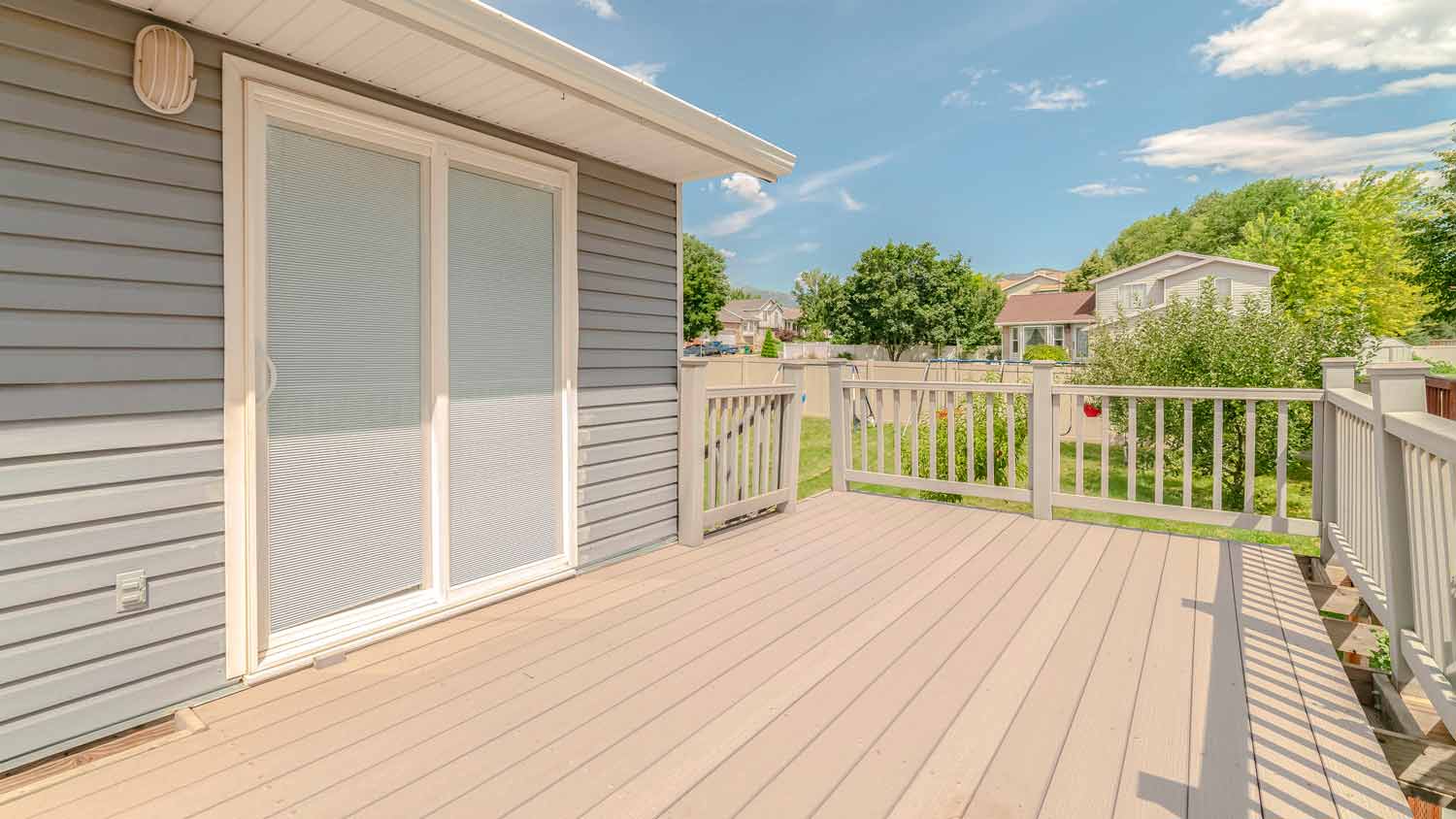
Building a deck expands your living space to the outdoors. Here’s a deck building materials list that lays out all the supplies you need to create the perfect deck.
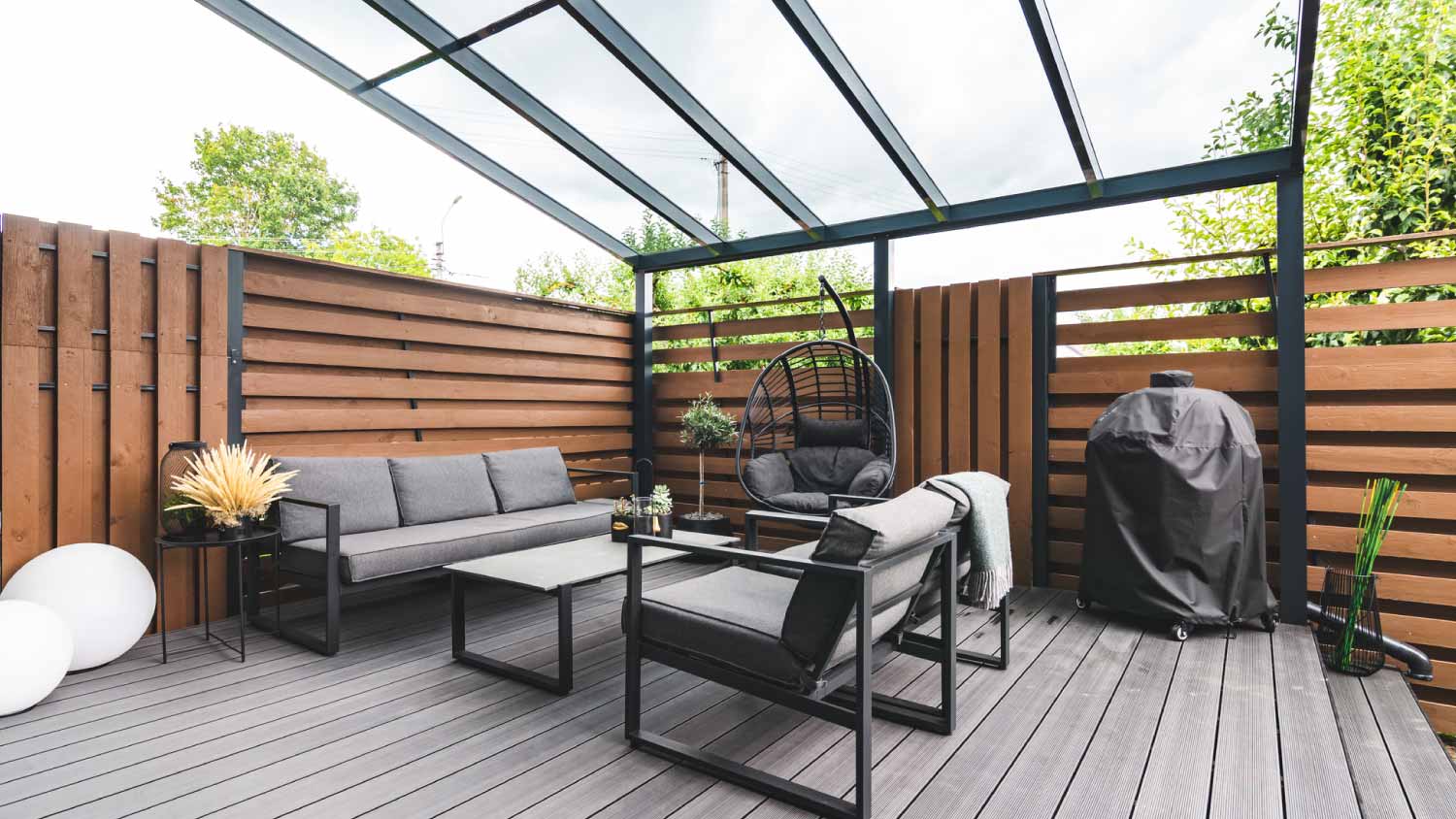
When you build a deck, you need to ensure it complies with local building codes. Here’s what you need to know about the most common deck building codes.