

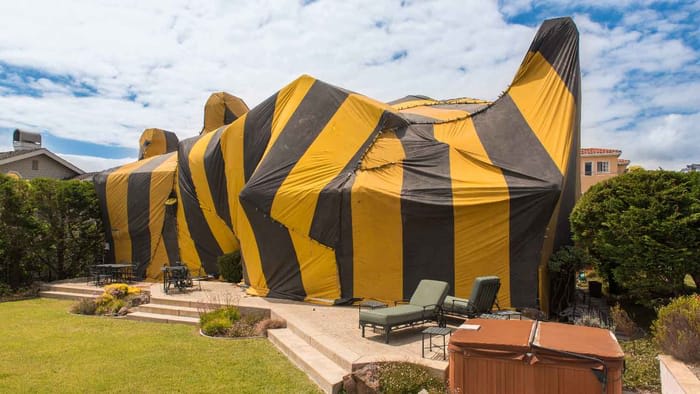
Tenting is a costly but effective way to exterminate termites. Learn the average termite tenting cost and everything that will factor into your budget.
Pest control costs depend on your project and location. Check with a local pro for your specific job.

Whole-house fumigation costs range from $3,125 to $6,375 depending on your home size and the pest type you need eliminated.
The type of pest in your home determines your final fumigation cost, with termites and wood-boring beetles requiring more intensive treatment.
You should budget for hotel stays during fumigation and professional cleaning afterward, with hotel costs around $100 to $200 per night.
Hiring a local pest control professional ensures your home is properly tented and ventilated and keeps your household safe from toxic gases.
In 2026, the national average cost for fumigation is $4,750. Most homeowners spend between $3,125 and $6,375, with your final cost driven by home size, pest type, and the extent of the infestation. Plan to budget for additional expenses like hotel stays during treatment, which often cost $100 to $200 per night.

Fumigation is a whole-house pest-mitigation option for serious infestations. The most common cost factors include insect type, home size, scope of infestation, and the duration of treatment required. More complex infestations—particularly those involving wood-boring pests—require more labor and planning, which drives up the final price. Understanding these factors before you get quotes helps you evaluate estimates with confidence.
The type of insect infesting your home is one of the biggest factors in your fumigation cost. Easier-to-treat insects may respond quickly to fumigation, while pests like termites and wood-boring beetles require more labor and planning, potentially raising costs up to $8,000. The most invasive species tend to reproduce quickly and spread throughout the home, making eradication more complex and expensive.
The table below breaks down average fumigation costs by common household pests:
| Insect Type | Average Fumigation Cost in 2026 |
|---|---|
| Ants | $1,500–$4,000 |
| Bed bugs | $4,000–$3,000 |
| Bees | $1,500–$3,000 |
| Carpet beetles | $1,500–$5,500 |
| Cockroaches | $1,500–$1,700 |
| Dust mites | $1,500–$3,500 |
| Fleas | $1,500–$4,000 |
| Moths | $2,000–$3,500 |
| Mosquitoes | $1,500–$6,000 |
| Scorpions | $1,500–$2,500 |
| Silverfish | $2,000–$3,000 |
| Spiders | $2,000–$4,000 |
| Termites | $2,000–$8,000 |
| Ticks | $2,000–$6,000 |
| Wasps | $2,000–$3,000 |
| Wood-boring beetles | $1,700–$7,000 |
Fumigation costs range from $1 to $4 per square foot, making home size one of the primary cost factors. For a 2,000-square-foot home, you can expect to pay between $2,000 and $8,000. This is significantly higher than single treatments for cockroaches, termites, and bed bug extermination because whole-house fumigation requires more labor and invasive treatment methods.
When shopping around for quotes for whole-house fumigation, confirm that the price includes labor, materials, prep, post-fumigation testing, and ventilation. You will not be able to enter your home to perform an inspection and clean-up following fumigation until the exterminator confirms the air quality is safe.
How long your fumigation takes directly affects your final cost, with treatments ranging from a few hours to a week or more, depending on the pest type, home size, and structure. The longer the process runs, the higher your bill will be. Repeat treatments are sometimes necessary to fully eradicate an infestation, and each additional session costs the same as the initial treatment—doubling or tripling your total expense.
A larger, more widespread infestation costs more to treat than a small, contained one, since it requires more time, materials, and follow-up visits. Severe infestations are more likely to need multiple fumigation sessions, which compounds the overall cost. Wood-boring insects like ants and termites are especially prone to large-scale spread because they reproduce quickly and move throughout the home. A fumigation professional will assess the full scope of the infestation upon arrival before recommending a treatment plan.

Preparing your home for fumigation requires clearing the perimeter so the exterminator has full access to properly tent the structure. Outdoor plants, rocks, gravel, bark, and landscaping mulch must be at least 12 inches from the home's exterior, and any fencing attached to the home must be removed. Some homeowners hire landscapers to handle this prep work, and professional landscaping services cost $50 to $100 per hour. Doing this work yourself is one of the easiest ways to reduce your overall fumigation project cost.
Most pest infestations occur on or around your home's exterior. Garages, sheds, and attics make up over 20% of total pest control visits, while siding, roofs, and other exterior nooks and crannies account for nearly 37%.

Fumigation entails additional out-of-pocket costs beyond the treatment itself, largely because you must vacate your home during the process. The most common extra expenses include temporary lodging and professional cleaning after the fumigation is complete. Planning for these costs upfront helps you avoid surprises and ensures a smoother return to your home.
Here is a breakdown of common additional fumigation expenses to plan for:
| Fumigation Additional Expense | Average Cost in 2026 |
|---|---|
| Hotel accommodations | $100–$200 per night |
| Cleaning after fumigation | $30–$50 per hour |
Homeowners must evacuate their homes for at least two nights during fumigation, so lodging is a real budget consideration. Staying with friends or family is free, but checking into a hotel costs an average of $100 to $200 per night, depending on location and amenities. It's smart to budget for a few extra nights beyond your projected return date, since your exterminator must confirm safe air quality before you can move back in.
Once your exterminator clears your home as safe, a thorough cleaning is strongly recommended before settling back in. Your exterminator may suggest hiring a professional cleaning company for the best results. You can expect to pay around $30 to $50 per hour for a professional house cleaner.
Fumigation has few add-on options, but pest-control insulation is one worth discussing with your exterminator to prevent future infestations. Professional installation of blown-in insulation costs between $980 and $2,200. This investment can pay off over time by reducing the likelihood of repeat infestations and the cost of future treatments.
Fumigation project costs can add up quickly, so it's essential to find ways to save money along the way.
DIY landscaping: Performing your own prep work instead of hiring landscapers to remove shrubbery and landscaping features away from your home is an easy way to cut fumigation project costs.
Get quotes from multiple companies: Fumigation service costs are generally set in stone, but shopping around for quotes from different exterminators in your area can help you find the best rate.
Potential rebates: Finally, inquire about government rebates for installing new insulation when adding pest-control insulation to keep your home free of pests.
Fumigation is a costly project that can only be handled by licensed local exterminators . Professionals have the training, PPE, and equipment necessary to handle toxic gases, tenting materials, and post-treatment air testing, which are too dangerous to DIY.
Fumigation is a complex process that requires specialized knowledge, safety protocols, and professional-grade equipment. Here's why hiring a pro is essential:
Only licensed professionals are legally allowed to perform fumigation services.
Pros ensure your home is properly tented, sealed, and ventilated before and after treatment.
Exterminators have access to fumigation and tenting materials that are not available on the DIY level.
Exterminators know how to target specific pest infestations, such as termites and bed bugs.
Fumigation isn't something an untrained DIYer can complete, but here few DIY-friendly tasks to potentially save on labor costs:
Use caulk, foam sealant, or steel mesh to block potential points of pest entry and prevent future infestations (note that professionals will find spots that most DIYers overlook)
Use small-scale pest control methods like traps or sprays for minor infestations
Clean and declutter before fumigation to make the process more efficient
Although often necessary, fumigation services require a big budget. Consider a handful of cost-effective pest control alternatives before resorting to such an extreme solution. Keep in mind that, like fumigation, these prices can vary greatly depending on the type of bug you're dealing with and the size and structure of your home.
The table below outlines average costs per square foot for common fumigation alternatives:
| Treatment Type | Average Cost per Square Foot in 2026 |
|---|---|
| Insecticide | $2–$4.50 |
| Heat | $1–$3 |
| Freeze | $3–$6 |
| Steam | $2–$7.50 |
If you’ve caught an infestation early, you may also be able to nip it in the bud with a few DIY pest control tricks, like laying out ant traps or spraying roach killer yourself instead of hiring a pro to do it for you.
Fumigation is often referred to as pest control, but there are differences between the two. Fumigation is a pest control method where gaseous pesticides called fumigates eliminate pests in cases of severe infestation. By contrast, pest control is a more general service that utilizes various methods to eliminate pests, including bait, traps, and physical removal. Pest control can be a short-term or long-term service, and it often aims to prevent infestations from occurring in the future.
The type and severity of your infestation indicate whether it’s best to call fumigation or pest control. Fumigation is a powerful, whole-house pest-control option that you should only consider for extreme infestations or particularly invasive pests, like termites, that could cause structural damage to your home or anything inside of it. For less severe issues, pest control is likely the way to go.
Ask your exterminator whether the estimate includes prep, tenting, ventilation, and air-quality testing.
Discuss your options for monthly or annual pest control visits to prevent future infestations.
Confirm safety procedures and post-fumigation cleanup recommendations before scheduling your service.
Home is the most important place on earth, which is why Angi has helped more than 150 million homeowners transform their houses into homes they adore. To help homeowners with their next project, Angi provides readers with the most accurate cost data and upholds strict editorial standards. We extensively research project costs to develop the pricing data you see, so you can make the best decisions for you and your home. We rely on reputable sources, including the U.S. Bureau of Labor Statistics, academic journals, market studies, and interviews with industry experts—all to ensure our prices reflect real-world projects.
Want to help us improve our cost data? Send us a recent project quote to [email protected]. Quotes and personal information will not be shared publicly.
A reliable team for moves across state. My switch to a new place needed careful lifting through tight hallways. The movers checked the doorway first, then carried heavier pieces with slow, controlled movements. Their patience helped prevent damage, and I?d choose them again.
This company does it right. Firstly, I want to say that Landan was a joy to work with. He was so kind, transparent, and had everything under control. His entire team showed up ready to work and they were all very respectful of the fact that we were in an office space. A little backstory – we...
 Krumlauf Floors
We were so impressed by the services provided! I would absolutely recommend this company, and I will use them again -- very nice people, and very high quality work. The owner even did a quality control followup call the next day. I had to tell him his cleaners did a much better job than me.
 GG Cleaning LLC
<p>I must say the plumber arrived as promised. And, since I had called at 5 pm , right at closing time, the fact that they were able to get a plumber out the first thing in the morning ( 7:45 am) was appreciated. The work was good.</p> <p><strong>BUT </strong>pricing was...
 A-Plumbing, Inc.
.the provider by name TIM FANNING from RITEWAY PLUMBING,PO Box 11,Galloway,Ohio 43119 came to my residence at 665 kerr street,columbus,ohio on 4,21,2014 around 10.00 am to examine and give an estimate to fix the bathroom shower at the above address.the knob for the faucet was loose but the...
I purchased a deal through Angie's List for this service and received a call from Spencer the next day to schedule the appointment. Having recently purchased the home, I let him know I was looking for an ongoing service provider so he explained their recommended service schedule and the price...
 Bulwark Exterminating, LLC
They were very good. They got rid of all of the pests and continually put down bait boxes and also sprayed for various bugs as well.
 Magic Exterminating
The exterminating company sends a knowledgeable person over to the building if the tenants have seen some bugs or pests and they take care of it. They are very good. They are very responsive. They do quality work and their price isn't bad. They come at the time they say they will. The...
 Ohio Exterminating Co
THE HOME WE PURCHASED HAD BEEN TREATED BY THEM, AND THERE WERE STILL PROBLEMS, THE INSPECTOR POINTED OUT MANY PROBLEMS. BEWARE THAT WARRANTIES WILL ONLY TREAT THE SPOT WHERE PESTS ARE FOUND, THE PESTS WILL JUST MOVE. I WOULDN'T USE ORKIN.
From average costs to expert advice, get all the answers you need to get your job done.
Tenting is a costly but effective way to exterminate termites. Learn the average termite tenting cost and everything that will factor into your budget.
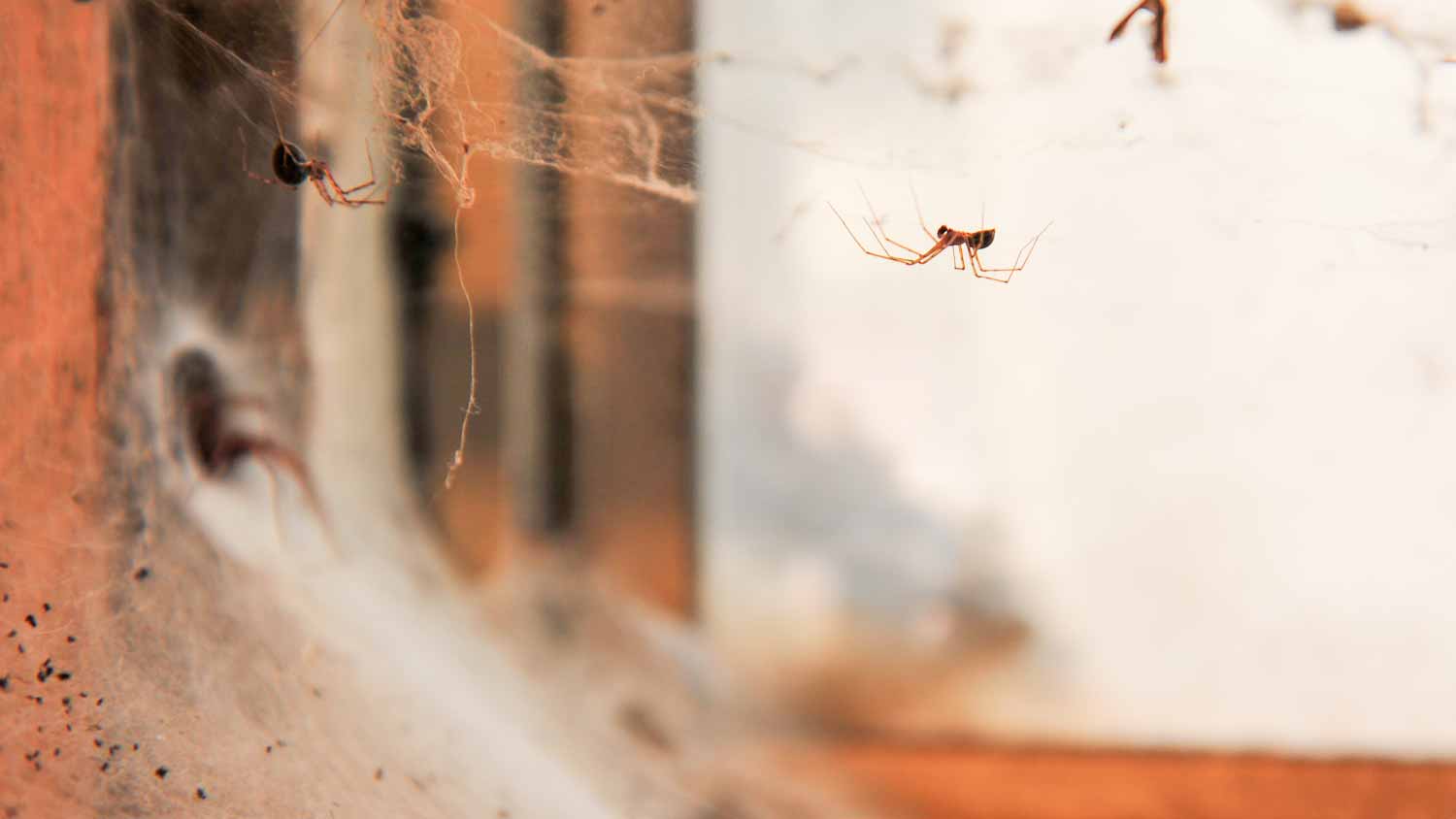
Professional spider exterminator costs vary depending on the infestation size, visit frequency, and methods. Use this guide to budget for speedy spider removal.

If you have a serious rodent problem, you may need to know the cost of hiring a rat exterminator. We can help you estimate prices and control costs.
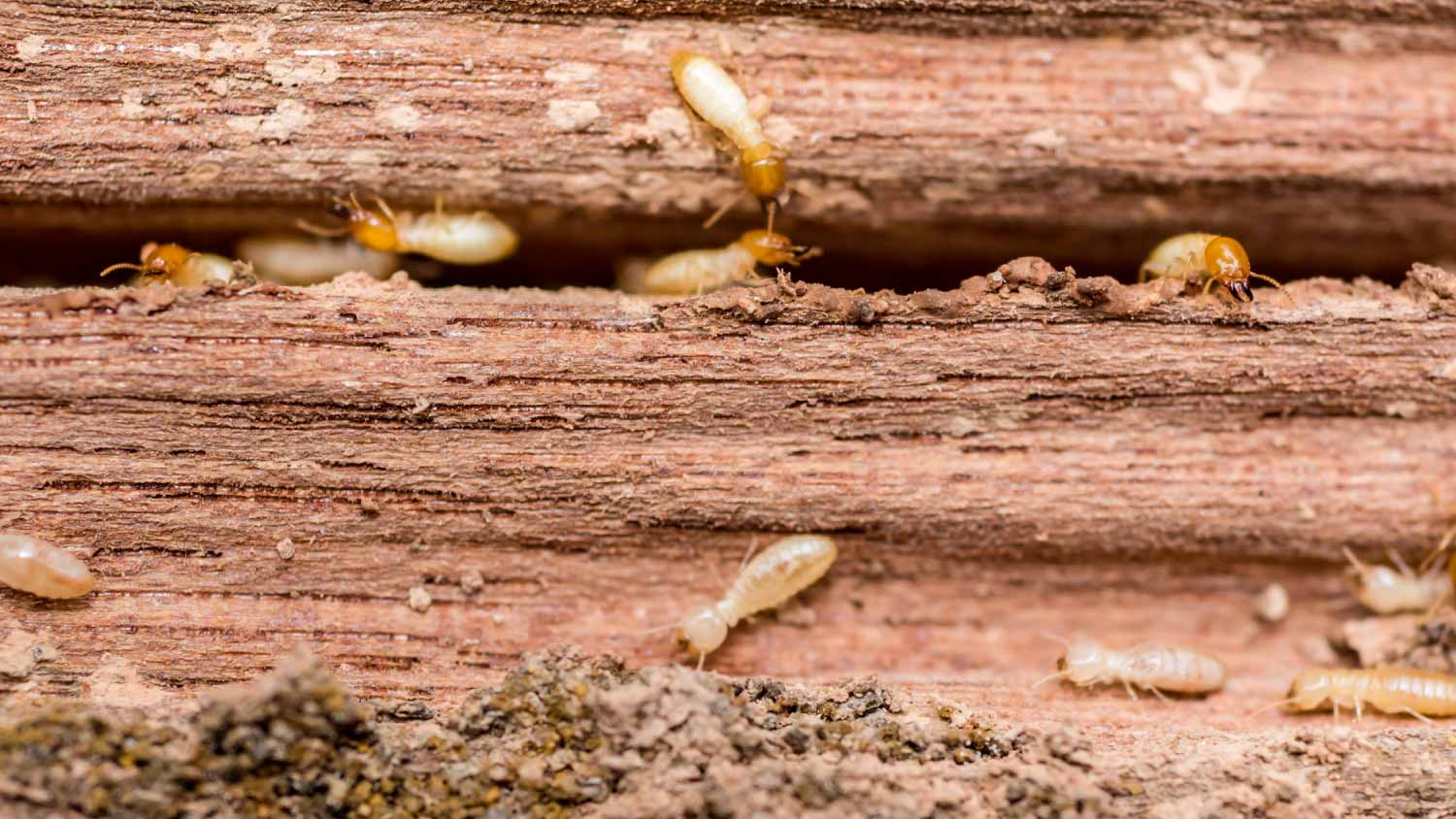
Does spot treatment work on drywood termites? These subterranean pests cause serious damage to your home, but luckily, there are several effective treatment options.
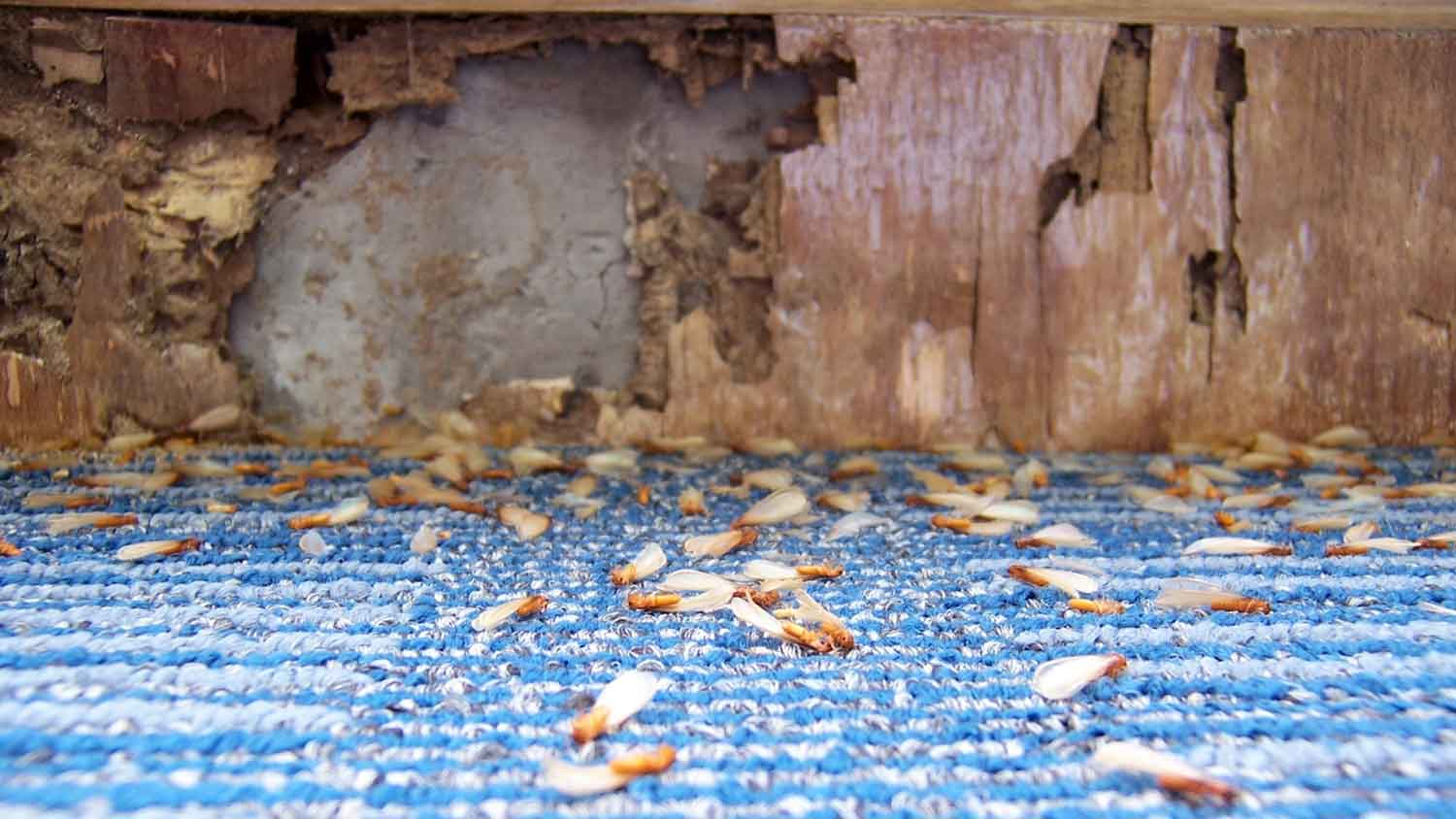
Stuck with a termite infestation? There are many options to kill off these pests. From bait to wood treatments, find the best types of termite treatment for you.
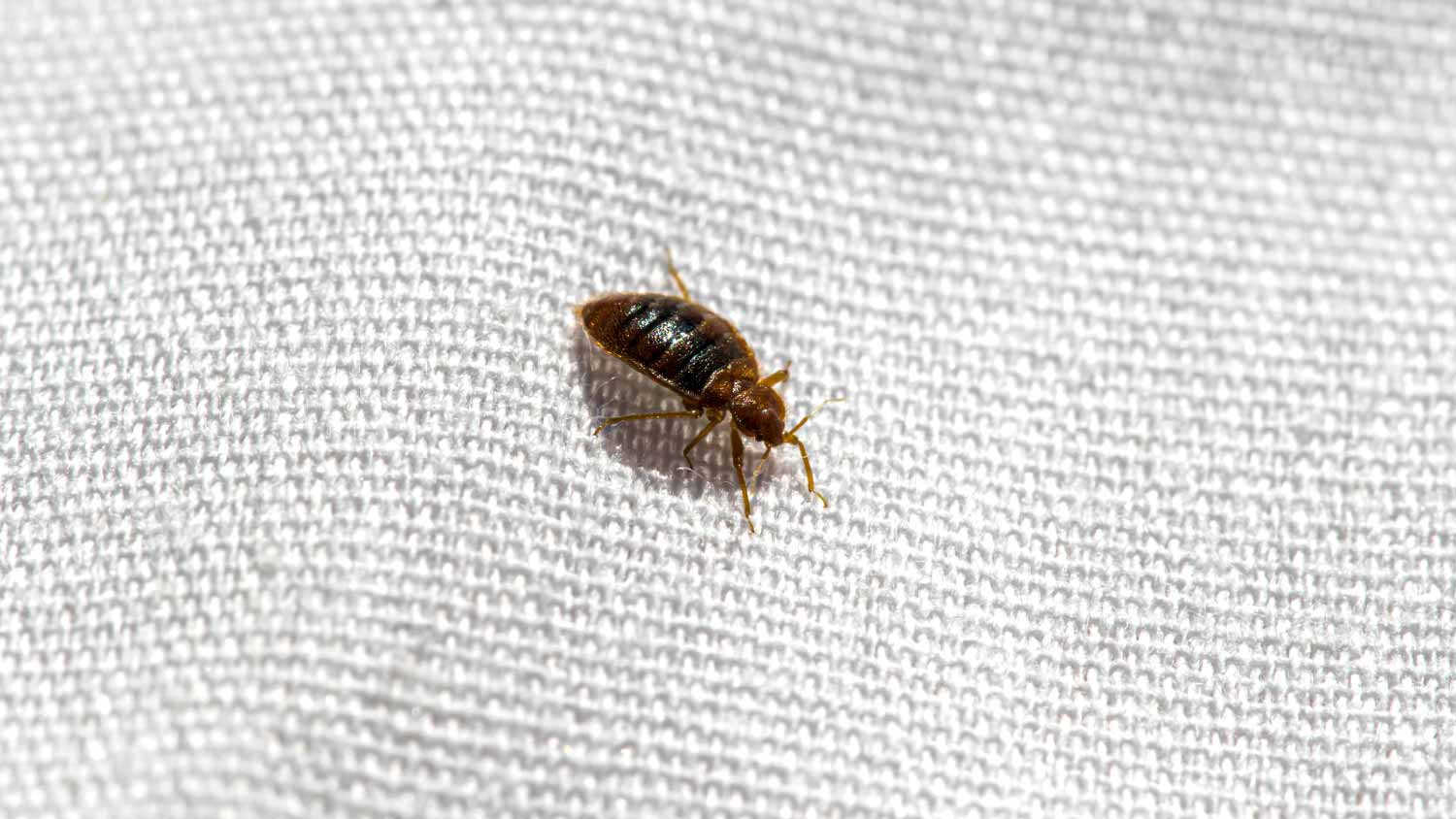
Key signs will let you know when to call an exterminator for bed bugs. Check our guide for more information on who to call and what clues to look for.