

Unstable or sinking foundations require comprehensive and expensive solutions. Learn about foundation underpinning costs in this guide to set your budget.
Foundation repair costs depend on your project and location. Check with a local pro for your specific job.

Professional foundation inspection costs range from $230 to $3,800, with your final total determined by home size and foundation type.
Your foundation type and materials affect inspection labor, slab designs take less time than pier and beam or basements.
You should budget permit fees of $150 to $400 and sump pump installation costs for added moisture control.
Hiring a local foundation repair professional identifies structural problems early and prevents costly damage that threatens your home's stability and safety.
In 2026, the national average cost for a foundation inspection is $600. Most homeowners pay between $300 and $3,000, with the spread driven by foundation type, home size, and overall complexity. Permit fees of $150 to $400 may also apply depending on your location and project scope.
A foundation inspection involves a structural engineer or a foundation specialist evaluating the structure beneath a home. To perform the inspection, the specialist examines multiple parts of the house, including the foundation, interior and exterior wall conditions, trimwork, attic, roof, and anything else that may offer clues to the foundation's condition. The inspection process differs based on the type of foundation, including slab, pier and beam, crawl space, or basement.
Addressing foundation repairs quickly matters just as much as scheduling the inspection itself, since early action limits both damage and cost. The factors below determine what you will pay for a professional foundation inspection.
Foundation size and design complexity are the primary drivers of inspection cost, because both directly extend the time a pro spends on the job. Costs vary by home size and foundation type, so the table below shows how inspection prices break down across common square footages.
| Home Size (sq. ft.) | Average Inspection Cost in 2026 |
|---|---|
| 1000 | $300–$500 |
| 1500 | $400–$750 |
| 2000 | $500–$900 |
| 2500 | $600–$,1000 |
| 3000 | $750–$1,200 |
Where you live affects what you pay for a foundation inspection, and some municipalities require permits with associated fees before an inspection can proceed. Check with your local regulatory agency early to identify any permitting requirements and avoid delays.
Accessibility directly affects your inspection cost because labor accounts for the entire price of this service, with no materials involved. Any obstacle that slows your inspector adds billable time, so make sure your basement and its windows are fully clear before the pro arrives.

Type of foundation is a key driver of overall cost, as the breakdown below shows:
Slab foundation: This type of foundation inspection requires inspecting the exterior of the concrete slab and the home's interior.
Pier and beam foundation: If your home has a pier and beam foundation, the inspector will review the concrete piers under the home, plus all other beams and floor joists. This service often includes a moisture, pest, and general interior inspection.
Crawl space foundation: This kind of foundation inspection involves tasks similar to a pier and beam foundation inspection, plus an assessment of the concrete slab and concrete block walls.
Basement foundation: Foundation inspectors will examine the basement foundation in a similar manner as a crawl space inspection, but access may be limited in finished basements.
Any unique structure or element of the foundation also increases the inspection time and cost. For instance, chimneys and any associated components drive up the inspection price, as do an abundance of metal-supportive piers. Conducting a foundation inspection is serious work that requires a pro to take a look at every concrete slab for damage, any load-bearing element for structural issues, and any metal element for rust.
Here is how foundation inspection costs compare by foundation type in 2026:
| Type of Foundation | Average Inspection Cost in 2026 |
|---|---|
| Slab | $300–$600 |
| Pier and beam | $700–$1,000 |
| Crawl space | $400–$800 |
| Basement | $500–$1,000 |
A typical foundation inspection on an average-sized home takes one to two hours, but larger or more complex foundations can double or triple that time. Ask your inspector upfront whether any known issues might extend the inspection before work begins, since inspection costs vary significantly depending on how long the job takes.
| Inspection Time | Average Inspection Cost Range in 2026 |
|---|---|
| 1 hour | $200–$500 |
| 2 hours | $250–$1,000 |
| 3 hours | $400–$1,500 |
| 4 or more hours | $500–$3,000 |
Local structural engineers charge $100 to $200 per hour for foundation inspections, and since no materials are required, labor accounts for nearly 100 percent of your total cost. Because your pro must examine every inch of the foundation to identify potential repair issues, the size, complexity, and materials of your foundation all play a significant role in the final price.
Structural engineers are highly specialized contractors whose schedules often fill months in advance, and a hot local housing market increases demand further, which can raise both your wait time and your overall cost. Book your inspection as soon as possible to secure availability and avoid paying a premium.
Many areas require a permit for a foundation inspection, and you can expect to pay $100 to $400 depending on the purpose of the inspection. A standard residential inspection to assess existing damage typically falls at the lower end, while an inspection tied to new construction lands at the higher end. Your pro should be able to pull any required permits before work begins.

Keeping your foundation in good condition and staying ahead of repairs will keep your foundation strong and supportive for decades to come. In between inspections, you should regularly check your foundation for signs of damage and call a pro for a timely repair if anything looks amiss. Leaving problems for too long can shorten the life span of your foundation and lead to larger, more expensive repairs later.
Home foundations require ongoing maintenance to stay structurally sound, and your inspection pro will recommend specific tasks once the inspection is complete. Staying current with those recommendations keeps your foundation in good shape and helps future inspections go more smoothly.
Inspect tree roots to ensure they are not encroaching on the foundation.
Most of these tasks are DIY-friendly, so they should not impact your yearly maintenance costs too much. If you have a basement, however, your pro could instruct you to install a sump pump to further assist in removing excess water. Installing a sump pump costs $650 to $2,000.
A foundation inspection exists to catch necessary foundation repairs early, and those repairs cost far more than the inspection itself, with repairing a foundation running $2,200 to $7,800 depending on the issue, how the foundation settled, the materials involved, and your home's size. Structural engineers charge around $200 per hour, so costs accumulate quickly for complex problems. The most expensive scenario is lifting a sunken foundation back to its original height, a major undertaking that costs $20,000 to $30,000. See how type of repair affects your total cost in the breakdown below:
| Type of Repair | Average Cost in 2026 |
|---|---|
| Crack repair | $250–$800 |
| Mud jacking or slab jacking | $500–$1,300 |
| Leak repair | $2,000–$7,000 |
| Piering | $1,000–$3,000 |
| Foundation stabilization | $4,000–$12,000 |
| Foundation lift | $20,000–$30,000 |

Nobody knows your home better than you, and this includes the foundation. In other words, a standard and rudimentary foundation inspection is DIY-friendly, with some caveats. If this is your first, or even second, time, follow along with a pro who inspects foundations until you know all the parts of your foundation and understand the exact methodology behind the inspection. Also, DIY inspections are only useful as an occasional measure.
Structural engineers or a local foundation repair company have much more experience at identifying potential issues, so alternate DIY inspections with professional inspections so you don't miss anything. Many commonly missed markers indicate foundational issues. Plus, foundation repair companies can identify, diagnose, and implement a repair plan for any foundation problems found during the inspection.
Look for signs like cracks in the walls, floors, or foundation itself, doors and windows that stick or don’t close properly, and uneven floors. If you see any of these, it’s time for a professional inspection. While you can do a basic visual inspection yourself, significant findings should always be checked by a professional to assess the extent of any issues.
Foundation inspections start on the budget-friendly side, but they quickly balloon to exorbitant prices in certain scenarios. Here are some tips to keep your costs down.
Move quickly: Schedule your foundation inspection at the first sign of trouble, be it nails protruding from drywall, cracks in the wall, high humidity levels, or anything else out of the ordinary. Waiting too long for an inspection will almost certainly increase any associated repair costs.
Make it a regular habit: Depending on where you live, experts recommend foundation inspections every year or every six months. Keep up with this schedule to reduce any ongoing maintenance and repair costs.
Do it yourself once in a while: Just because experts recommend twice-yearly foundation inspections, it does not mean you need a pro every single time. If you have had no outstanding issues in several inspections, consider alternating between hiring a pro and doing it yourself.
Ask the right questions: When hiring a pro for a foundation inspection, make sure you ask the right questions to ensure the process goes smoothly, thus reducing the cost. Make sure your pro is licensed and insured and ask how long the inspection should take. Also, ask what kind of access they need, to prepare ahead of time.
Clean and prepare: Remember, the primary cost factor with this service is labor. Clean up the basement and remove any debris so the inspector can immediately get to work without having to navigate obstacles.
Positive experience. As previously stated, the replacement/repair could not be completed (no fault of the plumbing tech) b/c misinformation was rec?d by property management maintenance. Thanks to the plumbing tech for your efforts. Appreciate you!
 The Waterworks
Carpet repair done well. Scheduling was easy. Showed up on time.
 BR Flooring Installation
I would recommend this company to anyone! He showed up on time, was friendly, completed a very difficult repair on our dryer vent cover, was responsive, and pricing was extremely fair and competitive. I would have him back to do any of our repairs or cleanings without hesitation!
 U.S.A. Dryer Vent, LLC
Everything from initial contact to completion was absolutely top notch. We contacted the business during off hours to leave a message, and the owner still reached out to feel out the issue within minutes. We were scheduled and repaired within 48 hours. I cannot say enough about the...
 Supreme brick & chimney
Ace Fireplace Services came to the rescue for my chimney repair. They were quick to pinpoint the issue and worked their magic to fix it. My chimney is now in excellent shape, and I'm a satisfied customer.
 Ace Fireplace Services
On Sunday 2/26 I requested quotes via Angi from 4 refrigerator repair businesses. Northwest Appliance responded to me Monday morning (2/27) and my refrigerator was repaired by noon the same day. Great communication, they did everything they said they would. The technician had the parts on...
Great experience all together. Dog friendly, courteous, great results and honest with recommendations. Will certainly be using Cardinal in the future for any carpet repairs
 Cardinal Carpet Care & Repair
Description says they handle window repair including rotten hardwood - they called me back right away but didnâ t leave a voicemail. I followed up 3 days later and they said they donâ t do that kind of work.
 Window-Gurus
Chaz, the owner, was very responsive and he communicated with us throughout the entire process. The overall cost was in the middle compared to the three estimates we received. The installation crew was very professional. Chaz was considerate enough to send a crew back to our home to repair...
 Unique Hardwood Floor LLC
Great guys. Spend a lot of time repairing and prepping our walls before doing the new paint. Home looks great now.
From average costs to expert advice, get all the answers you need to get your job done.
Unstable or sinking foundations require comprehensive and expensive solutions. Learn about foundation underpinning costs in this guide to set your budget.
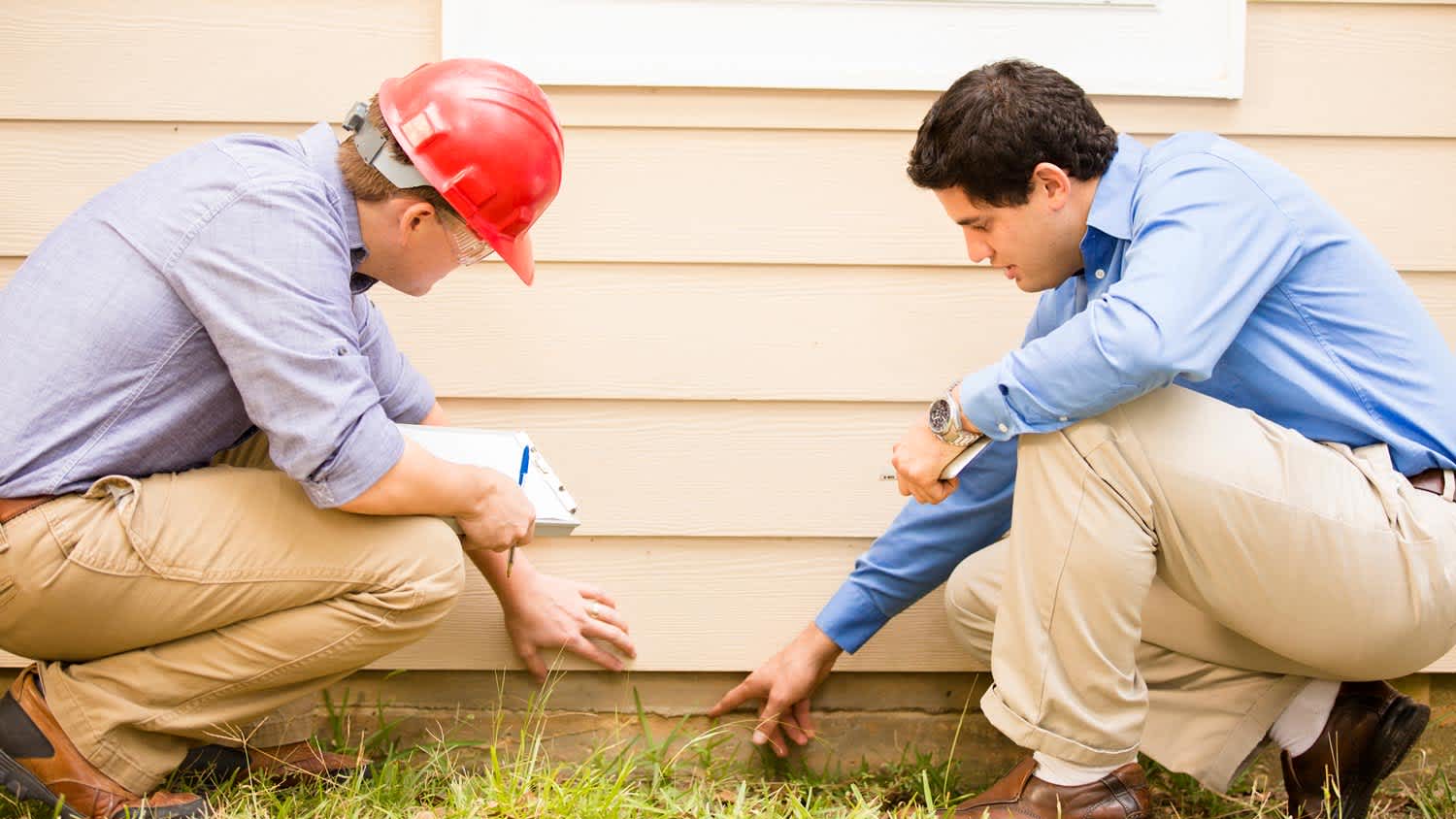
Foundation repair costs can be tricky when you have a large repair on your hands. This guide walks through costs from small cracks to total replacement.
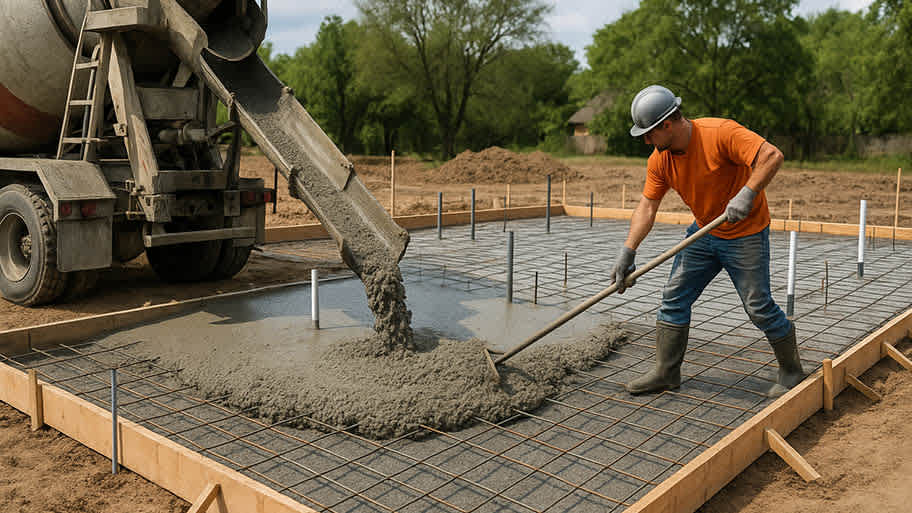
A foundation for a new-build home averages around $11,000. Find out all the factors that affect the cost of a foundation and how to save money.

Identifying foundation issues early is the best way to avoid severe, expensive damage. Use this foundation inspection guide to check for budding problems.

Identify potentially serious problems with your foundation with an inspection from a structural engineer.

Knowing the difference between structural inspections vs. home inspections is easy with this convenient guide. Learn when you might get each one done.