
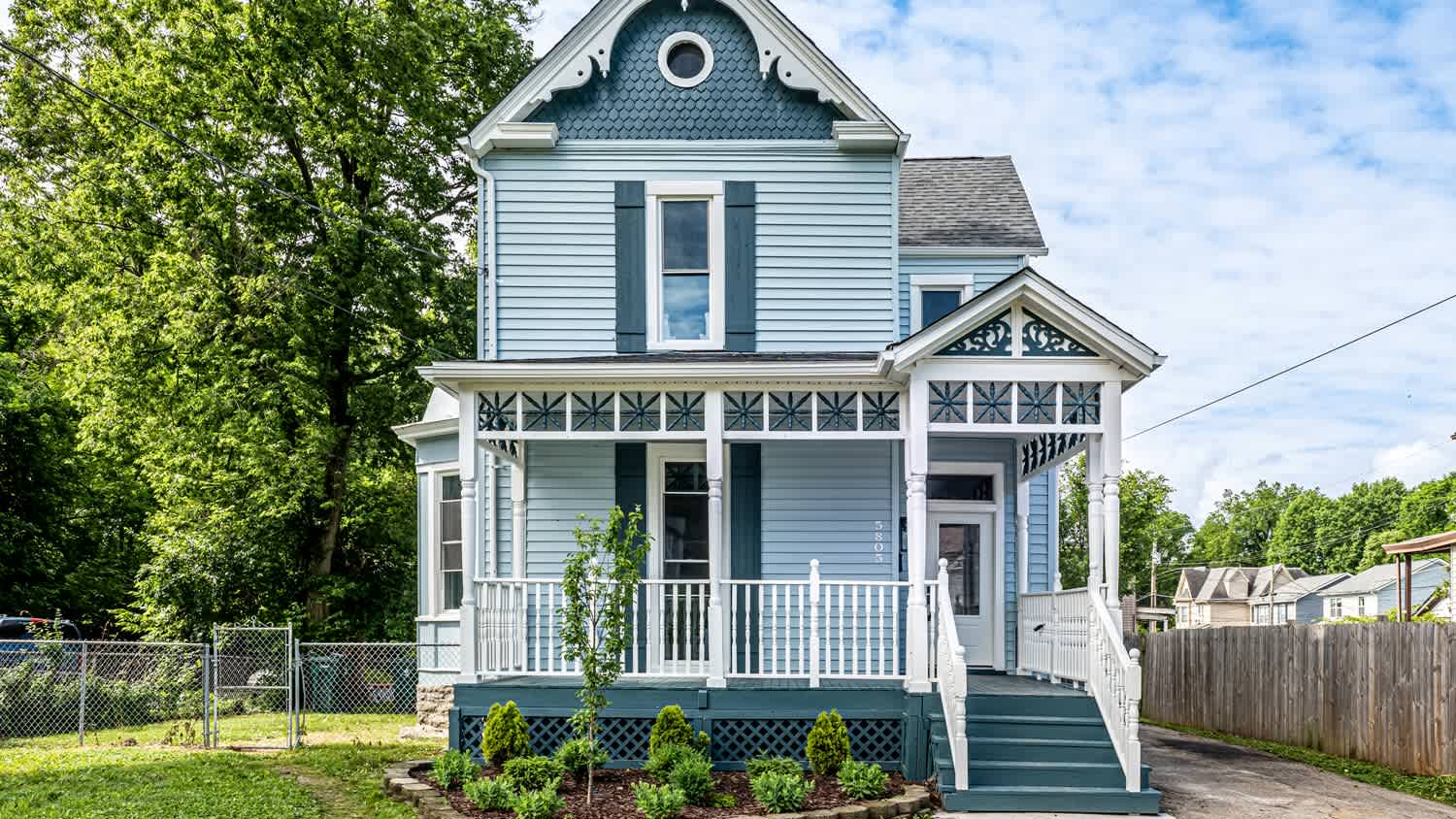
Check out these 8 Victorian exterior paint colors to take your house to the next level. Choose something subtle or something bold to fit your vision.
Keep the historic feel of your home while giving it a fresh look

The best historic color depends on your home's architectural style and era.
Historic palettes came from earth pigments, so greens, whites, grays, blues, and browns fit most eras.
Historic homes used separate tones for the body, trim, sash, and door.
Check local historic-district rules and hire a vetted exterior painter before you start.
The right exterior paint colors for historic homes depend on your home's architectural style and era. Colonial, Victorian, and Craftsman houses each followed their own palettes. Early builders mixed paint from earth pigments, so you'll see greens, whites, grays, blues, and browns across period palettes.
Those earthy tones still give your home a period-accurate look today. Before you pick a shade, check your local historic-district rules and hire a vetted exterior painter.
Restoring a period home takes time and budget. Our historic home renovation guide explains what to plan for.
Start with your home's style and era. This sets the palette and the number of colors that fit. From there, work through each surface, your siding material, upkeep, and local rules.
For an authentic look, use contrasting tones for the body, trim, sash, and door. Victorian-era homes in particular often used three colors, and some carried four or five. Use these factors to guide your choice:
Match every surface. Give the body, trim, sash, and door their own tones for an authentic period look.
Factor in siding material. Wood takes paint and stain well, while masonry needs extra caution before any coating.
Plan for upkeep. Darker, richer hues show wear and need more touch-ups over time.
Check local rules. Confirm your historic district's guidelines before you buy paint.
Not sure of your home's original colors? A paint analysis can reveal them. A City of Ashland historic building brief recommends documenting historic paint colors through paint analysis when possible.
As you compare styles, you'll notice palettes shifted with each era. Use the guidance below to narrow your choices, then confirm shades against period paint chips.
If your home dates to the Colonial era, then lean into earthy tones. Bodies were chocolate, dark brown, or natural weathered wood. Trim was left unpainted or painted Indian red or Spanish brown for contrast.
For the body, try Sherwin-Williams Colonial Revival Stone or Benjamin Moore Valley Forge Brown. For an authentic contrast, keep trim unpainted or choose a deep Indian red or Spanish brown. Learn what defines a Colonial-style house before you commit.
If you're painting a Georgian home, choose stronger, stone-imitating colors like chocolate, ochre, grey, and red. Trim was almost always white, in a softer, yellower white than today. Federal homes went lighter, with white, cream, or straw bodies and green or black shutters and sash.
For a stone-like Georgian body, try Sherwin-Williams Downing Stone or Benjamin Moore Rockport Gray. For a lighter Federal look, pair cream walls with black or green shutters.
If you own a Greek Revival home, then choose a light body that evokes classical stone. Off-white, cream, straw, and stone grey all fit. One common scheme paired an off-white body with green doors and shutters and a black sash.
For green doors and shutters, try Sherwin-Williams Sheraton Sage or Benjamin Moore Cushing Green. Keep your body soft with a cream or off-white shade.
If you own a Victorian home, you have room for variety. Use 3 to 5 colors that set the body, trim, sash, and brackets apart.
Palettes ranged from deep greens, olives, and reds to pastels like rose, peach, and terracotta. Contrasting accents highlight trim and decorative brackets.
For a rich accent, Sherwin-Williams Needlepoint Navy, Benjamin Moore Newburyport Blue, or Benjamin Moore Hale Navy add depth. For a softer touch, Benjamin Moore Georgetown Pink Beige leans toward period rose. See more Victorian exterior paint colors for ideas.
If your home is a Craftsman or bungalow, then choose warm earth tones that blend into the landscape. Bodies were brown, green, or earthy stains. Trim stayed lighter in ivory, tan, or cream, according to a City of Ashland historic building brief.
For the body, Benjamin Moore Valley Forge Brown or a green like Benjamin Moore Cushing Green works well. Keep your trim light with a cream or ivory shade. Browse more Craftsman exterior paint colors to compare options.
You can use two brand collections to find period-appropriate combinations more easily. Both group colors in ways that help you match your home's era.
The Benjamin Moore Historical Collection includes 191 colors, spanning HC-1 to HC-191. The palette draws on 18th- and 19th-century North American architecture.
Sherwin-Williams Exterior Historic Colors offers period palettes for walls, trim, and accents. The palettes are organized by architectural style, so you can match your era.
A few steps protect your historic home and your budget. Because rules differ by location, confirm your local requirements before you choose a color. Some districts require approval for color changes, and some do not.
Check local rules first. Contact your historic district commission or state historic preservation office before you change exterior colors.
Leave unpainted masonry bare. The National Park Service warns that waterproof coatings and elastomeric paints should almost never go on historically unpainted masonry, because trapped moisture can cause serious damage such as spalling.
Prep the surface. Wash, scrape, and sand before you prime, following our prep your home's exterior steps.
Use high-quality exterior paint. A durable finish extends the lifespan of your paint job and protects historic siding.
Get at least three quotes. Compare vetted local exterior painters on price, reviews, and historic-home experience.
Cost depends on your home's size, siding, and condition. According to Angi cost data, professional exterior painting averages $3,145, and most projects run $1,810 to $4,500. See our guide to exterior painting costs for a full breakdown.
Siding drives the total. Painting brick costs more because the surface is porous. Check our guide to the cost to paint brick for details.
If you take the DIY route, plan to spend $500 to $1,000, plus tools. You'll need brushes, rollers, a sturdy ladder, and a sprayer. Hiring a pro runs about $1 to $3.50 per square foot.
Custom Paint Jobs LLC took our exterior from drab to fab! We couldnt be happier.
 Custom Paint Jobs, LLC
From average costs to expert advice, get all the answers you need to get your job done.
Check out these 8 Victorian exterior paint colors to take your house to the next level. Choose something subtle or something bold to fit your vision.

If you've always been a bit curious about how to paint with dark colors around your home, here's your big chance. The secret is not as tricky as you may think.
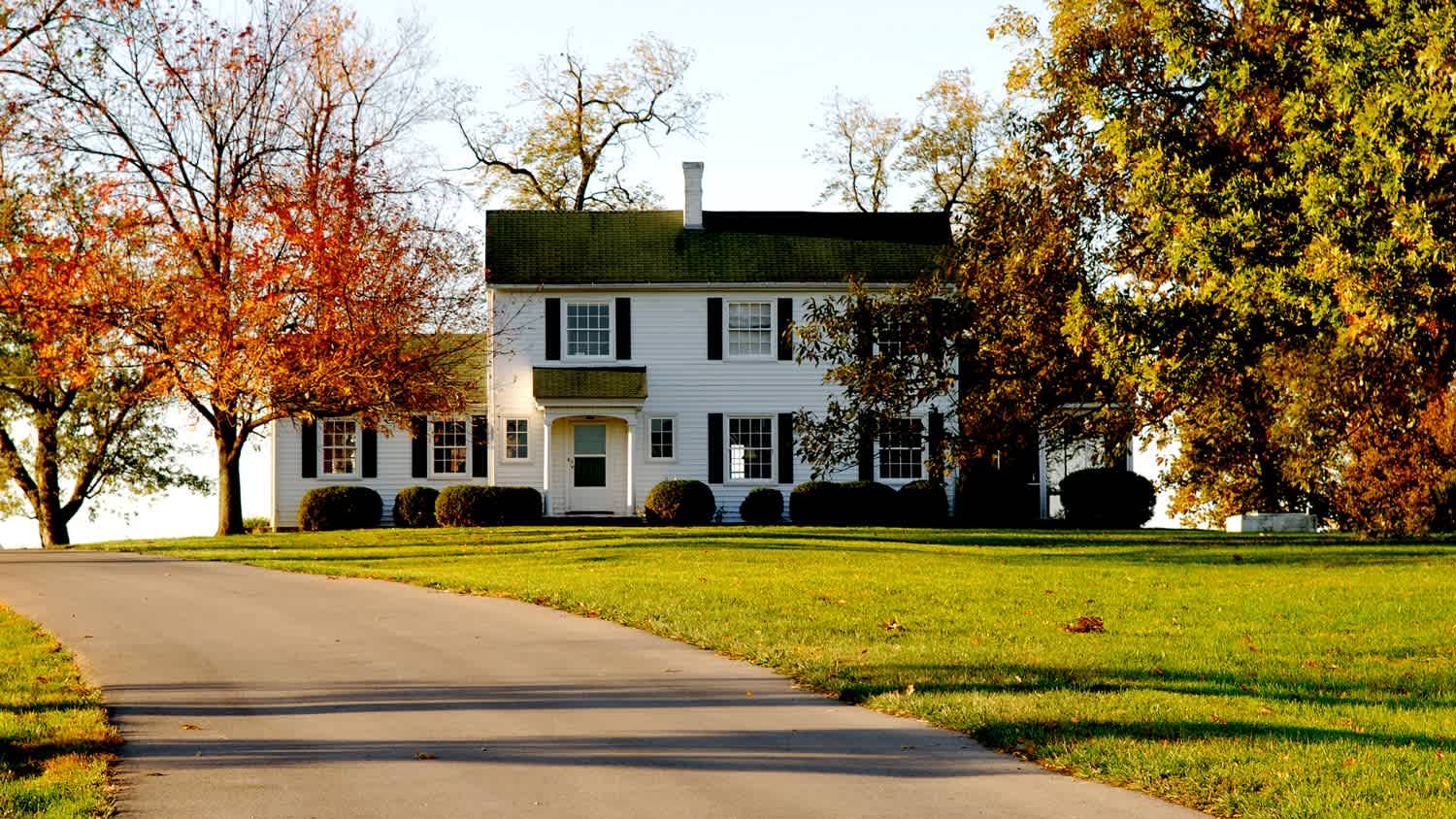
Not sure how to pick exterior house paint colors? We’ve got 11 tips that will help you with your decision paralysis.
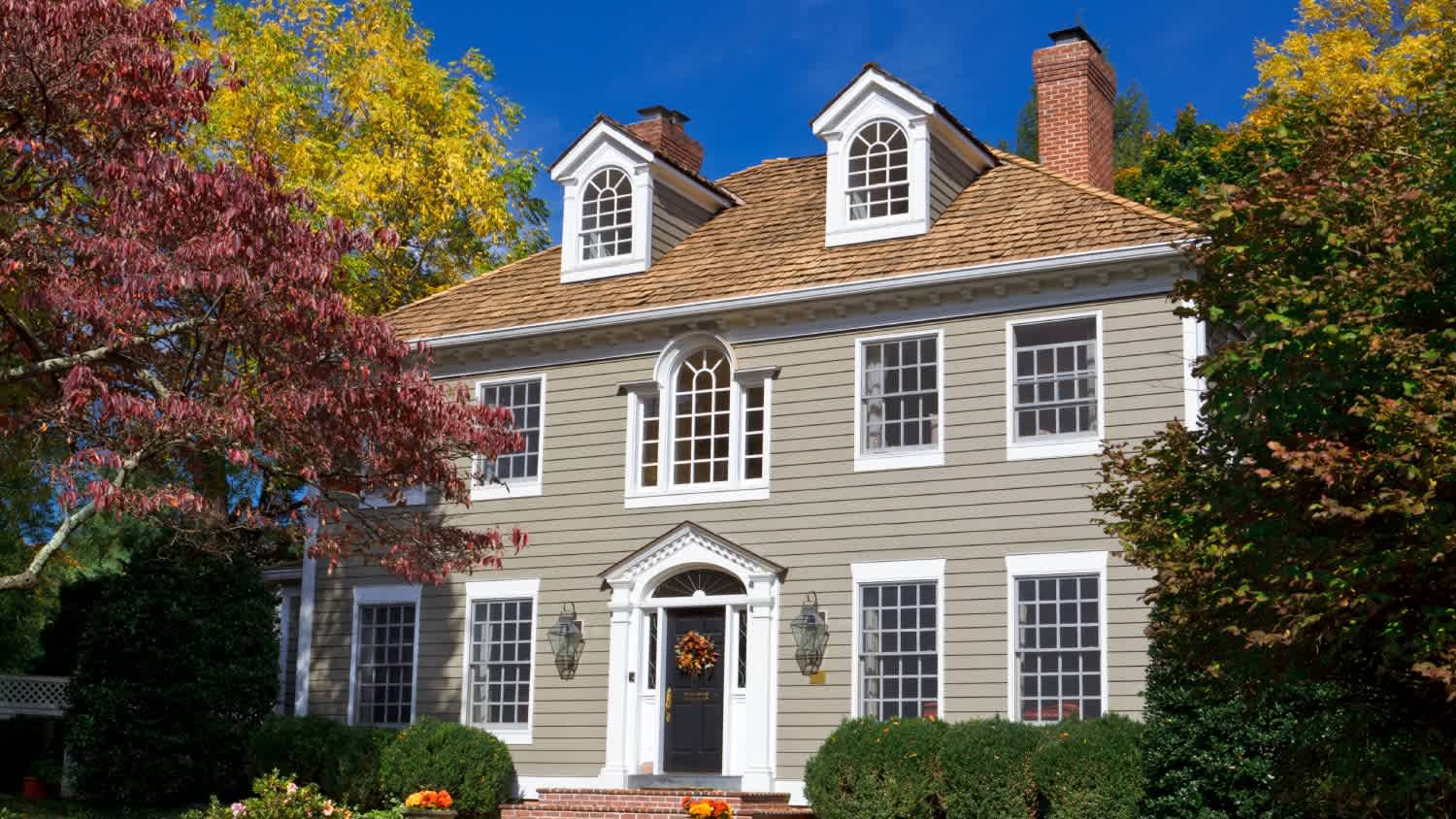
The striking design of a Colonial home deserves a beautiful color to help it stand out. Check out our suggestions for the best Colonial exterior paint colors.
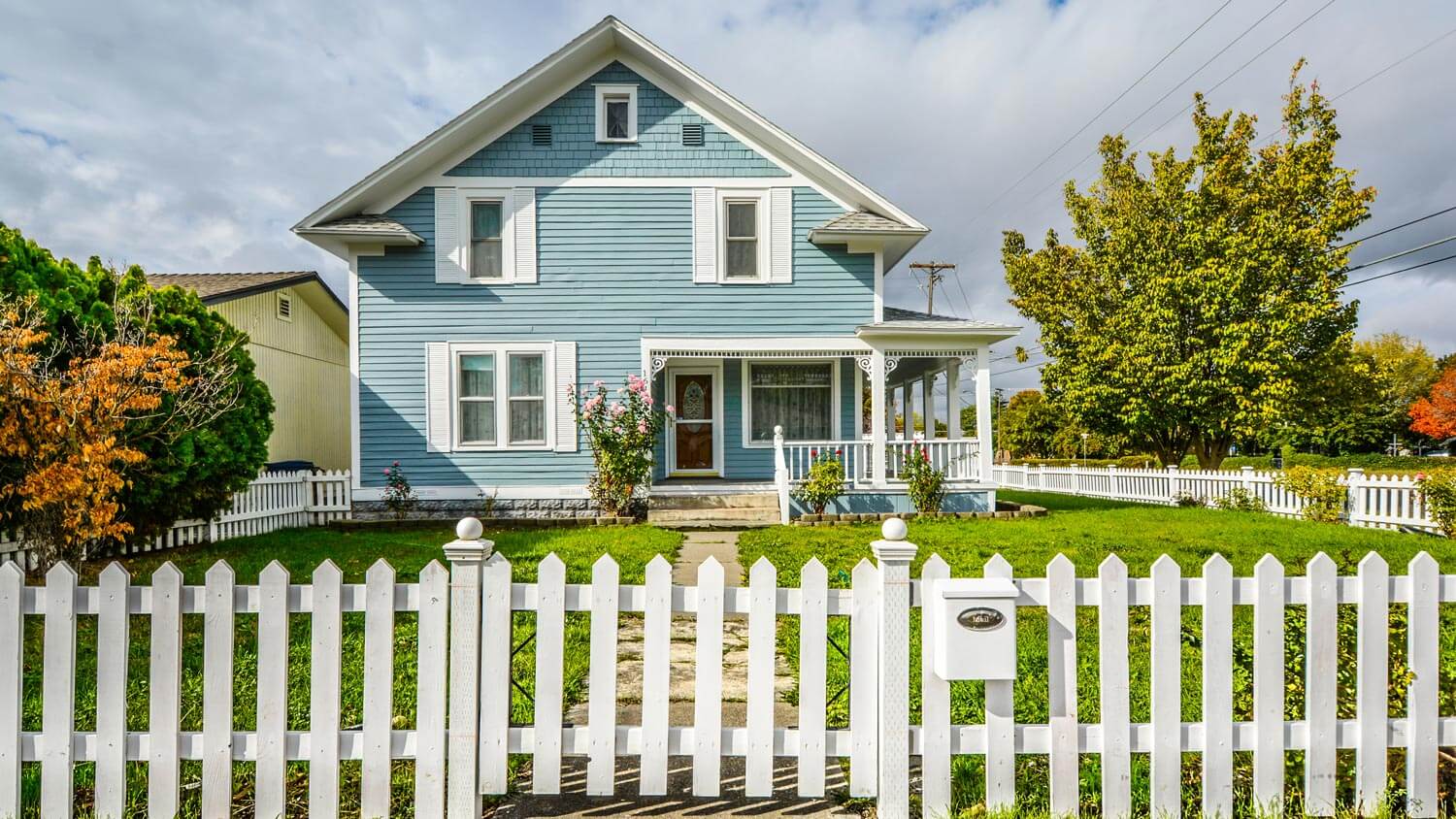
Are you trying to decide on an exterior paint color for your Craftsman-style home? For inspiration, read on.
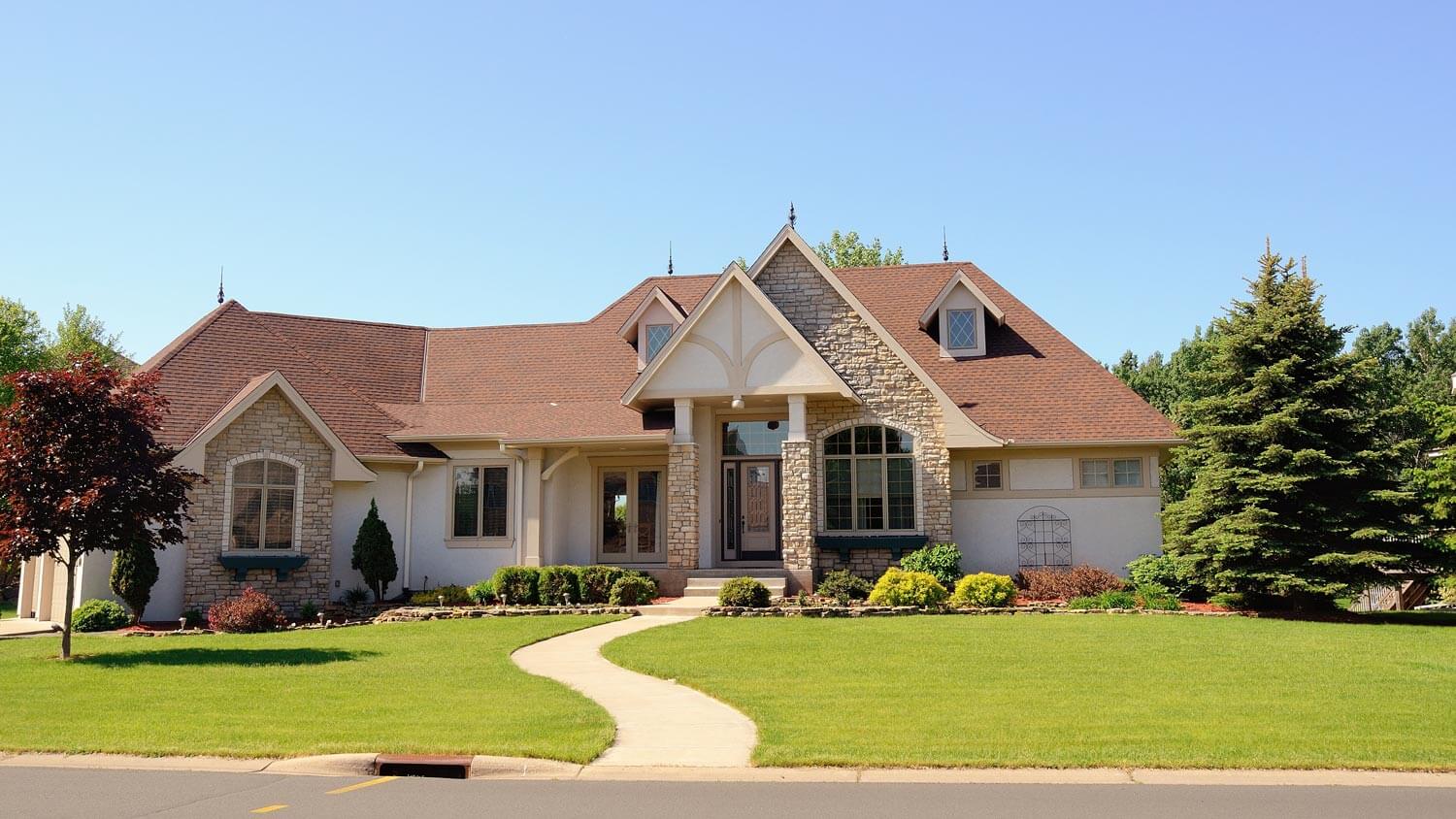
Make home selling easy and meet buyers where they are—in the neutral zone. This guide is packed with sought-after colors to sell your home for the best price.