


•
Discover the cost to install washer and dryer hookups. Learn about price factors, labor, materials, and tips to save on your laundry room project.
Pressure washing costs depend on your project and location. Check with a local pro for your specific job.

Pressure washer rentals cost between $50 and $250 per day depending on the machine type and rental duration you choose.
Gas washers give your toughest jobs more pressure, while electric models suit small projects around your home.
Budget for surface cleaners or extension wands, plus a refundable damage deposit that matches your rental fee.
Hiring a local power washing professional prevents surface damage and protects you from injury on second-story siding.
In 2026, the national average cost to rent a pressure washer is $90 per day. Most homeowners pay between $50 and $250 per day, with short-term rentals starting as low as $40 for a four-hour period, while extended rentals of four weeks can reach up to $2,000. If you only need a pressure washer once or twice a year, renting is a practical way to skip the cost of ownership and ongoing maintenance.
The type of machine you rent and how long you keep it are the two primary factors that determine your pressure washer rental cost. Electric models are the most affordable option, while gas models step up in both capability and price. Choosing the right machine for your specific surface and project size helps you avoid overpaying for power you don't need.

The type of pressure washer you choose affects the rental price, with more powerful models costing more. Electric pressure washers typically have a lower pressure output, measured in PSI, making them a good choice for lighter cleaning tasks. Gas-powered models usually offer higher PSI and are better suited for tougher jobs, such as tackling mold and mildew on durable surfaces like concrete.
The table below breaks down the average cost to rent a pressure washer based on type:
| Type of Pressure Washer | Average Rental Cost per Day |
|---|---|
| Electric pressure washer | $40–$50 |
| Gas pressure washer | $70–$100 |
| Gas power washer | $100–$250 |
Rental providers often offer tiered pricing based on how long you keep the machine. Many pressure washing projects wrap up in a few hours, but you may want to rent for a week or more if you’re tackling multiple surfaces or a large property. Factor in travel time and setup when estimating your rental window, and note the store's drop-off hours to avoid late fees.
The table below breaks down the average pressure washer rental cost based on timing:
| Pressure Washer Rental Period | Average Cost per Day |
|---|---|
| Four hours | $40–$175 |
| One day | $50–$250 |
| One week | $180–$660 |
| Four weeks | $400–$2,000 |
Beyond the base pressure washer rental fee, you might incur additional costs depending on your project and rental location. Accessories and deposits are the most common extras. Knowing these costs upfront helps you build an accurate budget before you head to the rental counter.
Adding specialized accessories to your pressure washer rental can increase costs by $15 to $50. Surface cleaners are ideal for large flat areas like driveways, and extension wands let you reach high spots without climbing a ladder. Here’s what to know about each pressure washer accessory, along with their average rental costs:
| Pressure Washer Accessories | Advantages | Average Cost (Rental) in 2026 |
|---|---|---|
| Surface cleaners | Ideal for driveways and large, flat areas | $20–$50 per day |
| Extension wands | Increase your reach without the need for climbing ladders | $15–$20 per day |
Depending on your location, local laws may require you to pay taxes on your pressure washer rental in addition to the base fee. Most rental companies also collect an upfront damage deposit, and these deposit amounts tend to roughly match your total rental fee. Ask about both costs when comparing rental providers so there are no surprises at checkout.
Hiring a professional power washer near you averages $310, compared to a DIY rental that runs an average of $90 a day, so the professional route will almost always cost more overall. That said, a pro works faster, is far less likely to damage surfaces, and eliminates the safety risk of power washing second-story siding yourself. For many homeowners, the added cost is worth the peace of mind and the quality of the result.

There are a few important upsides you'll enjoy when hiring a professional to get that power washing project done that can make the labor well worth the investment.
Pros know what pressure to use on different materials, so they're less likely to crack, chip, or damage surfaces around your home.
Power washing any materials on the second story of your home is inherently dangerous, and hiring a pro can keep you safe from injury.
DIY mistakes can lead to leaks and water damage around doors and windows, which can cause ongoing issues if you damage weather stripping or caulking seals.
Experts have the skill and experience to get a clean, even look on your surfaces without streaks.
Pros know what cleaning solutions to use on different materials around your home to help prevent future mold or algae growth.
Have a list ready of all of the surfaces you want power washed so that your pro can provide a comprehensive and accurate estimate.
Point out any areas that get dirty more quickly than others so that your pro can use special cleaners to discourage algae and mold growth.
If necessary, request less intense detergents that are safer around children, pets, and plants.
Discuss any add-on services you need, including gutter cleaning, roof washing, and concrete sealing.
Home is the most important place on earth, which is why Angi has helped more than 150 million homeowners transform their houses into homes they adore. To help homeowners with their next project, Angi provides readers with the most accurate cost data and upholds strict editorial standards. We extensively research project costs to develop the pricing data you see, so you can make the best decisions for you and your home. We rely on reputable sources, including the U.S. Bureau of Labor Statistics, academic journals, market studies, and interviews with industry experts—all to ensure our prices reflect real-world projects.
Want to help us improve our cost data? Send us a recent project quote to [email protected]. Quotes and personal information will not be shared publicly.
I would recommend this company to anyone! He showed up on time, was friendly, completed a very difficult repair on our dryer vent cover, was responsive, and pricing was extremely fair and competitive. I would have him back to do any of our repairs or cleanings without hesitation!
 U.S.A. Dryer Vent, LLC
Best cleaning I've had at my property
The technician was very professional and friendly. He answered all my questions and was very thorough. He left the fireplace area very clean . He inspected from the roof and advised me as to other work that might need to be done. There was no pressure there. I was very satisfied with the...
 Supreme brick & chimney
Mary Cleaning Service is fantastic! The entire team is professional and pay a great deal of attention to detail. They do such a thorough job of cleaning my house. I would definitely recommend!
The workmanship is perfect, I did not have any complaint with that. It was the brick I chose not matching the brick that want I to use. There was a problem with discoloration of the brick. I thought that the rain was gonna wash it off but it didn't. I call them. All communication was coming...
 Bone Dry Roofing & Masonry - Cincinnati
I purchased the "Big Deal": $199.00 for exterior pressure-washing of one- or two-story home up to 2,000 square feet. They cleaned the siding only. I wasn't aware when I bought the Big Deal that they would not do any other surfaces other than the siding (i.e. sides of the gutters or stucco). I...
 Complete Home Services
From the initial sales presentation to the installers final clean up, this project was a total pleasure. Gary Coper, sales consultant, showed up exactly on time and provided an informative, no pressure description, of every material and step required to complete the remodel. We were always in...
 Simple Bath & Simple Kitchen
They were prompt, careful and thorough. I have also had them wash interior floor to ceiling windows which were perfect.
 Technicare Carpet Cleaning
The work went great! Couldn't ask for better. Joel set a work start date. About the time of the storms that may have been associated with Sandy. He was half a day late. They set up on a Thursday. On Friday they had a full crew at work. By Monday they were finishing up. Now, the best...
 NJW Construction
No hassle, no pressure, no mess left in my basement. ...and now I have a better understanding of our furnace.
 KNOW Heating
From average costs to expert advice, get all the answers you need to get your job done.
Discover the cost to install washer and dryer hookups. Learn about price factors, labor, materials, and tips to save on your laundry room project.
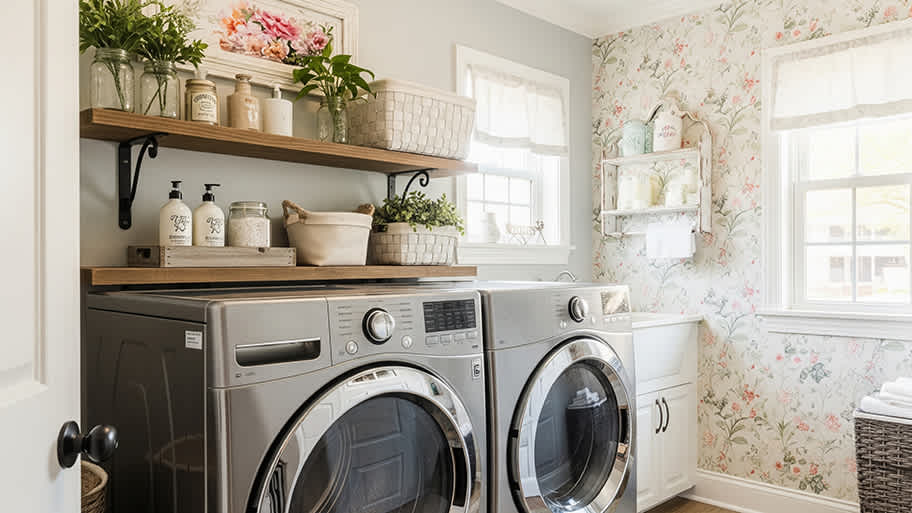
The cost to relocate washer and dryer hookups varies based on location, as well as whether your moving the appliances and adding new hookups. We’ve compiled a full price breakdown here.
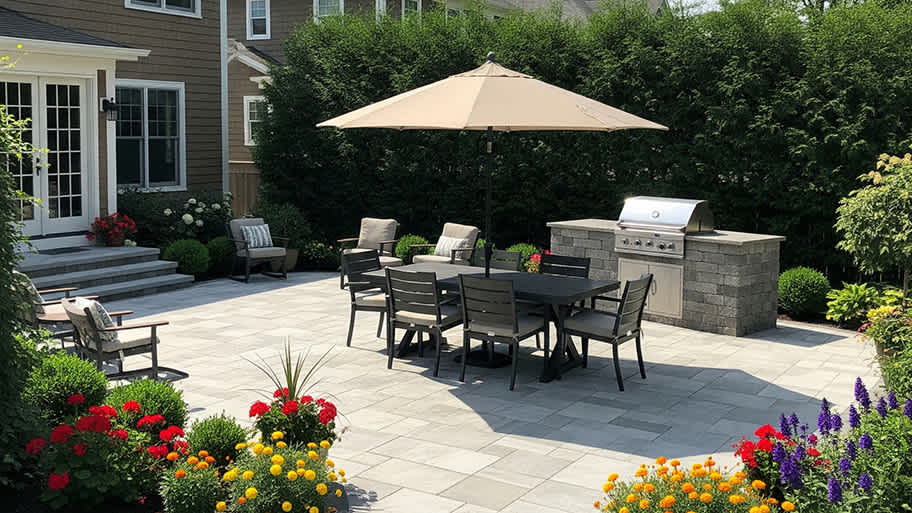
The cost to pressure wash a patio depends on the size of the surface and the type of patio you have, as well as whether you DIY or hire a pressure washing pro.
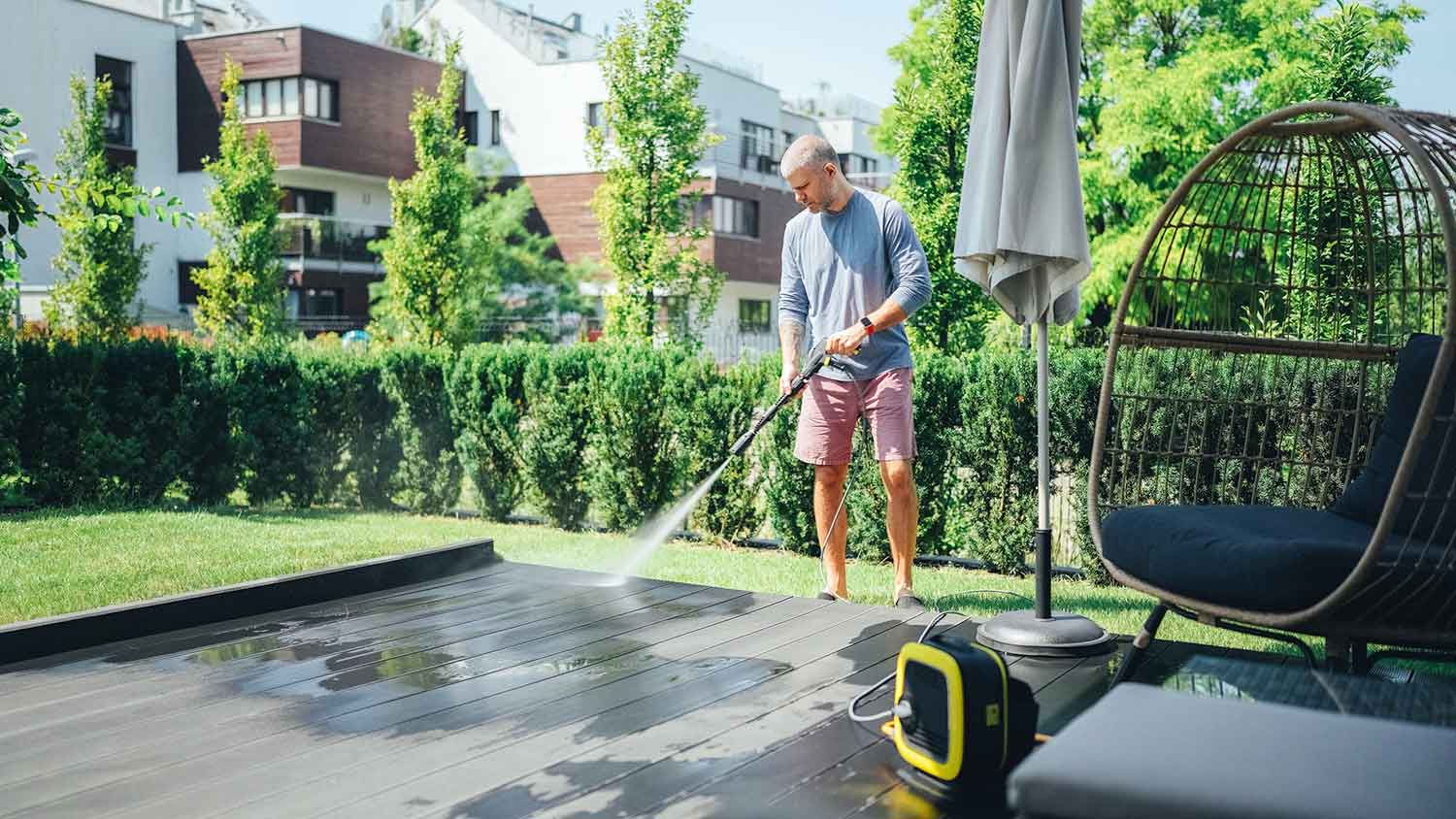
Choose the right power washer to tackle your projects with ease. Learn about gas versus electric power washers, their pros, cons, and costs.
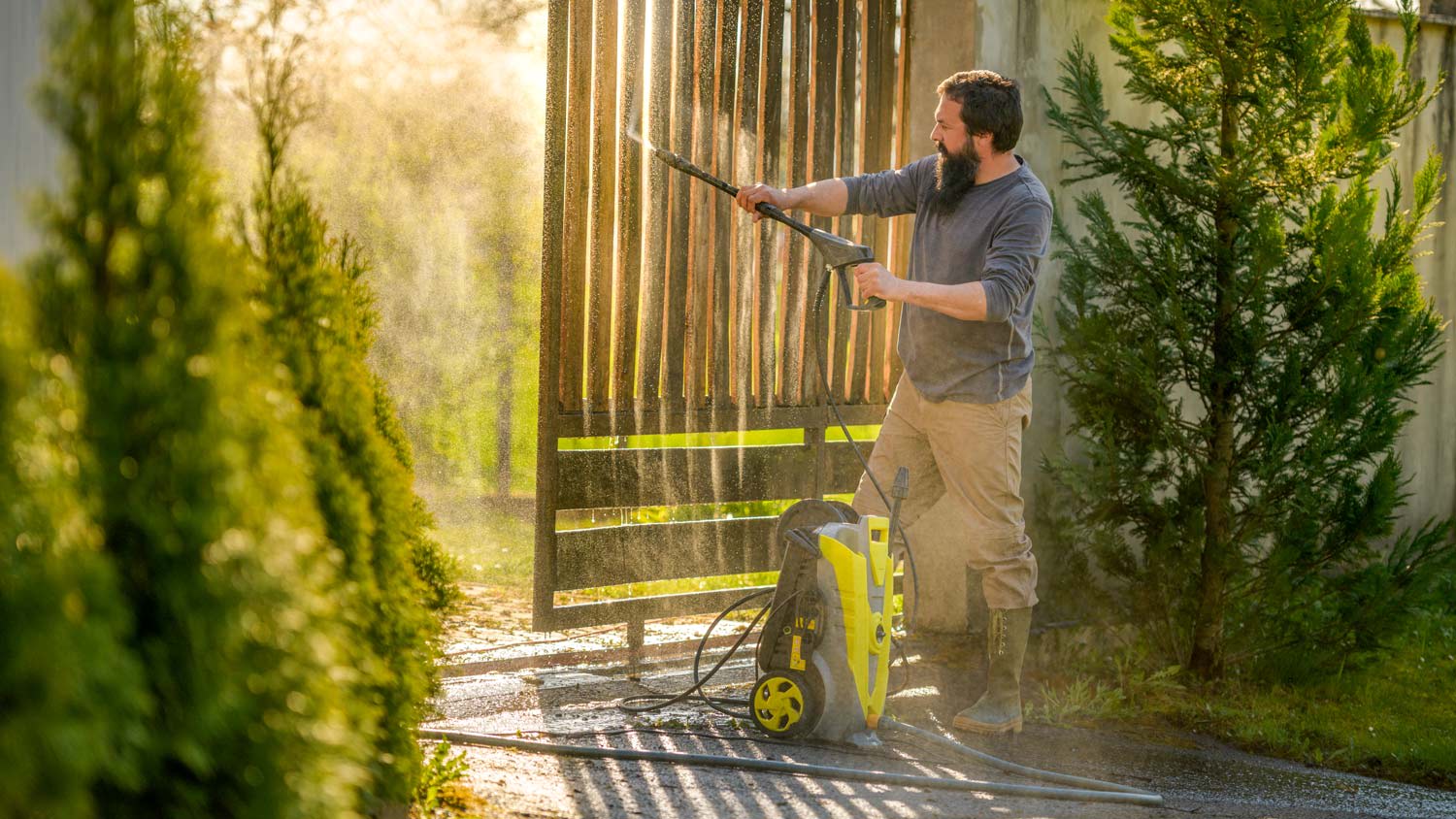
There are few things as satisfying as blasting built-up gunk off your home's surfaces, but sometimes pressure washing is a job best left to the pros.
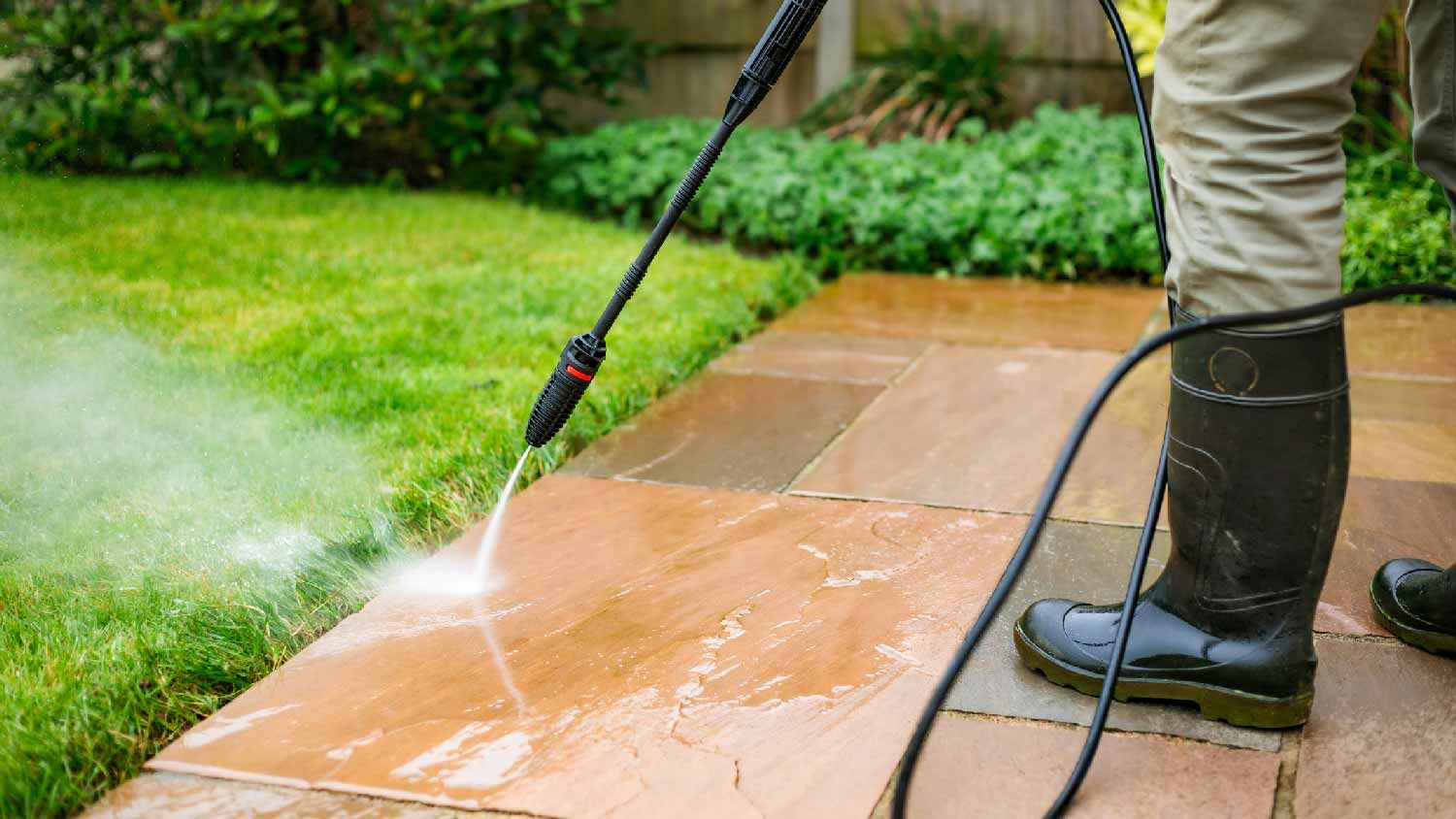
Does your pressure washer lack pressure? Or will it not start at all? Know who repairs power washers and who to call to get yours fixed.