
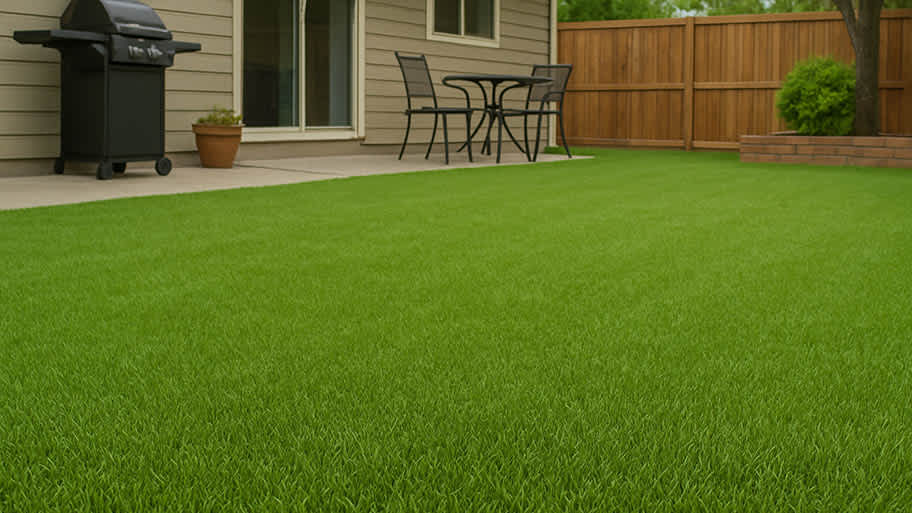
Artificial grass is a low-maintenance alternative to traditional turf. Learn how much artificial grass installation costs and what affects your price.
Sometimes there's simply no replacement for the real thing

Artificial grass problems include overheating in warm weather, reaching temperatures high enough to burn your skin and potentially melt from reflective surfaces like windows.
Synthetic turf drainage issues from soil compaction can cause puddling, squishy surfaces, and water damage to your foundation if water flows away from the lawn.
Your artificial turf can fade, flatten, and break down over time, losing comfort and quality without any way to revive it other than full replacement.
Hiring a local artificial grass installing professional provides expert help with proper drainage setup and base soil preparation to prevent compaction and puddling issues.
Even as lawn alternatives take off across the country, there's a familiar plastic imitation that has found its way onto front lawns and sports fields. That being said, it's very important to consider the problems with artificial grass before investing in its hefty price tag. Artificial grass may initially look the part, but its effect on the environment, comfort level, and decreasingly stylish appearance are worth considering.

If you’re a pet owner or have little kiddos who like to run around with bare feet, it’s important to consider that artificial grass can heat up on hot days—and potentially cause burns. Hot turf isn’t just a problem because it can burn your feet. Your turf can melt, but usually, it’s not from the weather. Most artificial turf can withstand temperatures up to 175 degrees to 200 degrees Fahrenheit, but the glare from an outdoor mirror, window (particularly low-E glass), or other reflective surfaces can make it much hotter.
As the term PFAs—"forever chemicals"—has become a notorious household name, you may not want to spread them across your lawn. Most artificial grass manufacturers use a mixture of nylon, polypropylene, and polyethylene. While these materials are pretty tough, they can break down from wear and tear, sending microplastics into the groundwater and sticking them to your skin and clothing. These materials also require fossil fuels during their manufacturing, making them a less-than-friendly choice for the environment.
One of the most common problems with artificial grass is improper drainage. This can cause puddling, leading to a squishy, wet turf and isn’t comfortable or aesthetically pleasing to walk on. It can also damage it, reducing how long your artificial grass lasts.
Keep in mind that most artificial grass companies design the turf with a permeable weave to allow water to pass through as much as possible. However, encouraging the water to permeate the soil past this point is another story. It's important to mix the base soil with loose sediment to keep the soil from becoming too compacted over the years.
If soil compaction occurs, it's nearly impossible to fix without removing the artificial grass. The water can then pour away from your lawn and lead to a range of foundation water damage issues or problems with your surrounding planting beds.
Any time water pools and collects you risk drowning your plants or, even worse, fungus growth. Fungus loves to grow in wet areas. If it doesn’t dry it can kill your plants, grass, and the surrounding yard.

Installing artificial grass requires homeowners to remove their current turf and modify the top layer of soil with a permeable sub-base. Covering the soil with artificial grass doesn't always bode well for the long-term health of the soil. The high temperatures in the summer, poor ventilation, and constant foot traffic without amendments can leave the soil in rough shape.
In other words, if you or the next homeowner choose to return to a natural groundcover plant later on, it will take some time for the soil to rejuvenate. Natural turf allows you to aerate, fertilize, and reseed the grass twice per year.
Artificial grass has certainly come a long way in the style department, but there's no question that installation issues can cause problems. Aligning the seams properly between rolls takes practice and patience, requiring hiring a local turf installer.
Additionally, drainage problems or sinkholes from local burrowing creatures can lead to patches of uneven ground. Lastly, artificial grass won't always hold up in the sunlight forever. If one side of your lawn gets more sun than the other, you'll end up with uneven coloring.
Most of our backyard visitors are not pests. Bees, butterflies, birds, and insects make up a balanced ecosystem aided by groundcover plants like grass. Without these pollinators and natural pest predators in your lawn, your surrounding flowers, shrubs, and trees can struggle. Additionally, heated artificial turf will be hard on the paws of any passing small animals without providing shelter from the sun.
Another one of the most common problems with artificial turf is an odor that’s less-than-fresh.
Some brands let off a plastic smell, especially when they heat up. Additionally, the moment the local parade of pups walks by and leaves waste on your lawn, you will end up with some lingering odors. Lastly, it's important to consider the fresh aroma lost by not using ground cover plants. There's no way to take in the smell of morning dew with a plastic turf.
Depending on the type of artificial grass you choose, you may not be able to recycle the materials when you're finished. A portion of the turf may be recyclable in your areas when properly separated, but in most cases, the turf ends up in a landfill. Junk disposal, particularly for large amounts of artificial grass, will also increase the price to remove or replace it.
Take a moment to think about why we head outside into the backyard in the first place. The soft cushion of natural grass is a great place to play tag, set up a picnic, or kick back with a good book.
While artificial turf can last up to two decades, it will not retain its beauty, comfort, and overall quality for this long. Artificial grass will begin to dry up, harden, and break down over time. Unlike natural grass, once the faux turf begins to go, there's not much you can do to revive it other than replacing the affected area.
Custom Paint Jobs LLC made our home feel like a piece of art. Thank you for your creativity!
 Custom Paint Jobs, LLC
Window Depot did an amazing job on my deck. I wasnt sure what I wanted to do, but their composite decking was affordable and will last a long time. I am excited to have family over, and I am no longer embarrassed by my backyard. Jeff and the ground crew were polite, respectful, and caring for...
 Window Depot USA of Central Ohio
First of all, the gentleman I dealt with (Cam?) was very responsive to my many questions and concerns throughout the project, which is a huge plus to me. From the first time I met him for the estimate all the way til the completion of the job, he and his crew were professional and respectful....
 All Star Paving and Sealing
We had a 20+ year old landscape lighting system that needed replacement. Midwest Lightscapes worked with us to design a much improved lighting system, lighting the exterior of the house and the back yard. Installation of the 45 light system took one and one-half days, and went very smoothly....
 Midwest Lightscapes
Another great success for me on home advisor. This company did an awesome job on my landscaping and stayed within my budget. The best part, the work was complete within 2 days of my initial request. Professional and responsive. I highly recommend!
 Blue Ring Residential Services, LLC
The company no showed on me twice. The 2nd time was no call no show. They were responsive to set up the first appointment to perform the "landscape cleanup". 3 hours after their initial scheduled appointment time they called me to let me know they had some "problem" with the truck and their...
 Ruby Home and Hauling Services
Received ideas for future landscape plans...quote to do the work seemed a bit high but I did not have any other quotes to compare it to, so perhaps that is the going rates. <br />
 Landscapes By Terra, Inc
All around they have done a really great job. <br /> I have used JL Landscapes for the past 8 years. I own and operate my own commercial/residential real estate company where we own, operate, and maintain our own properties. JL Landscapes has been our exclusive landscaper for both our...
 J.L. Landscapes
Bought a half a cord of firewood from Pitzer with stacking last month. I waited to report so I could see how the wood burned. <br /> <br /> I have three pet peeves regarding landscapers, but Pitzer scored "A"s regarding all three. First, rather than having customers "leave a message" and...
 Pitzer Landscaping
I left a message on Sunday requesting to schedule a time to obtain an estimate/walk-through and received a return call in the morning of the following Monday. Mark worked with me and agreed to schedule the estimate/walk-through for the following Saturday. When Mark arrived for the...
From average costs to expert advice, get all the answers you need to get your job done.
Artificial grass is a low-maintenance alternative to traditional turf. Learn how much artificial grass installation costs and what affects your price.
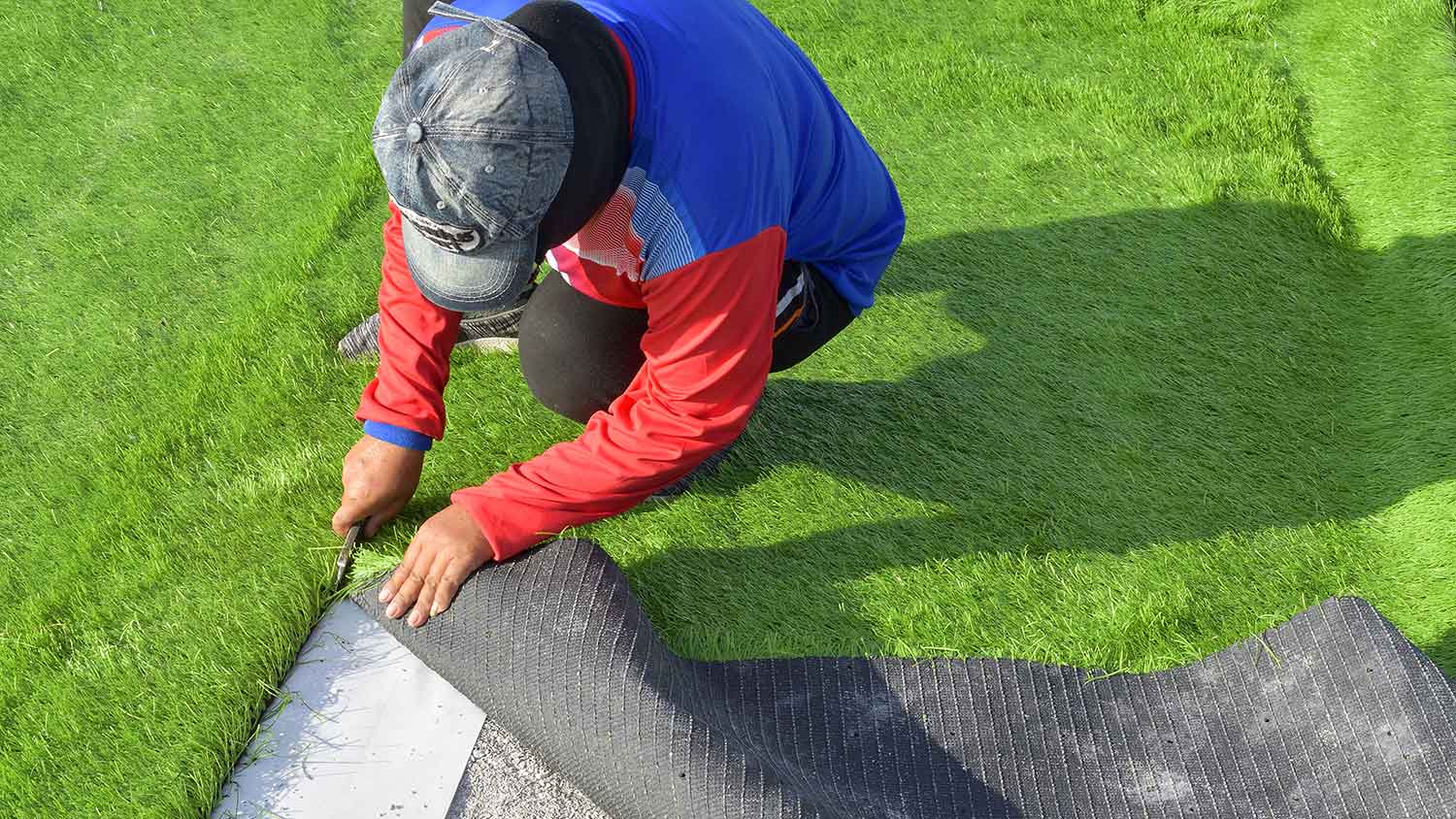
Learn how to hire an artificial grass installer with tips on finding qualified pros, questions to ask, and what to expect for your synthetic turf project.
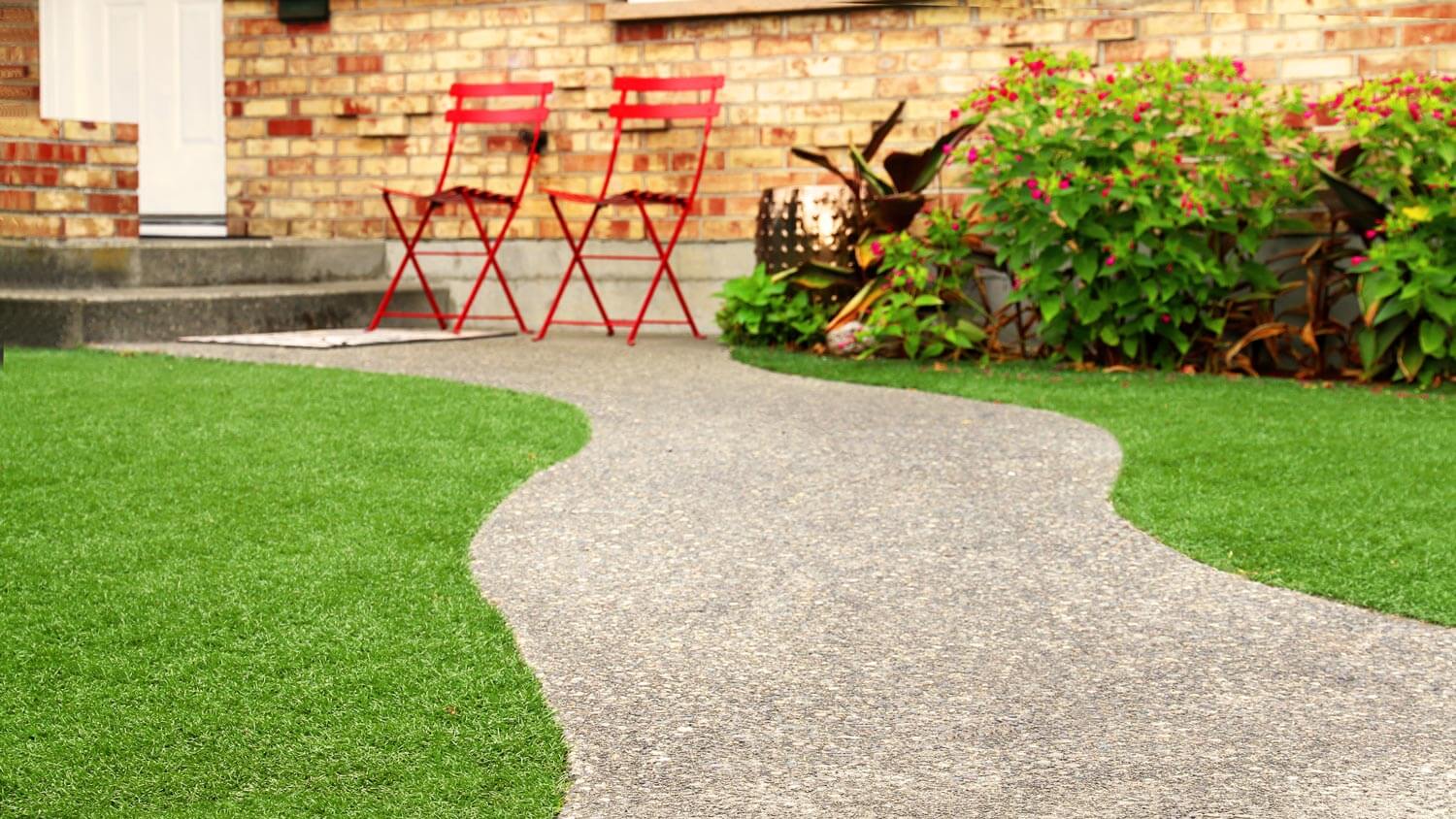
Having a nice green lawn is the dream for many. With these types of artificial grass, you can embrace its beauty without the high maintenance.
Wondering who to hire for artificial grass installation? Compare turf installers and landscapers, see how pros work, and choose your best fit.
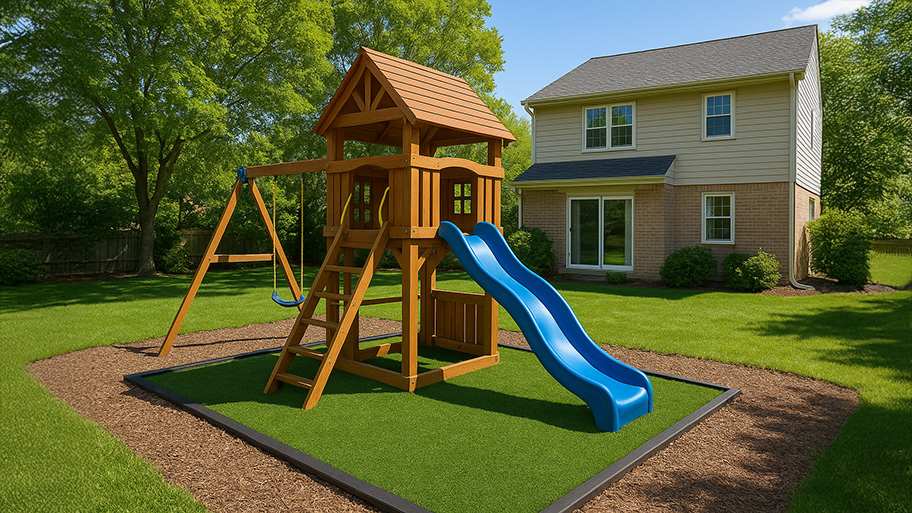
Artificial grass can enhance your home’s curb appeal with very little upkeep. Learn how to choose the artificial grass that’s right for your yard.
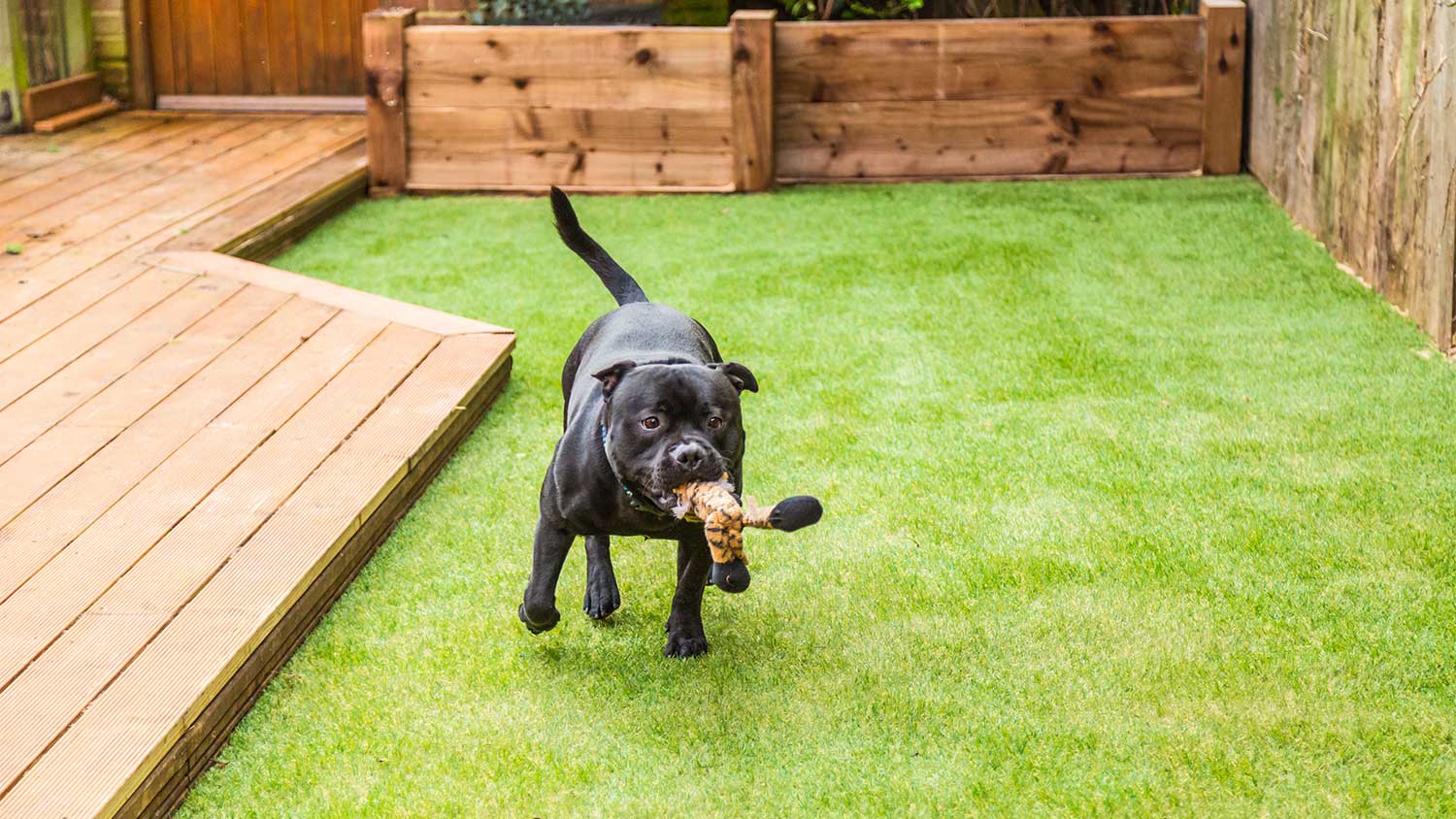
Wondering what’s the difference between artificial grass vs. turf and which one’s right for you? Get the pros and cons of each one here.