

Does mowing less sound appealing? Here are the no mow grass pros and cons and alternative choices for a lawn that requires less maintenance.
Just say “no” to the mow

Cutting wet grass tears blades instead of cutting them cleanly, leaving brown tips and damaging your lawn's roots when the soft, soggy soil compacts.
Wet grass clippings stick to your mower's undercarriage and can cause mold or fungi to grow, spreading disease across your lawn the next time you mow.
Wait until your grass is dry to the touch, which takes 2 to 5 hours after light rain or morning dew, before you start mowing.
Hiring a local lawn care professional keeps your lawn healthy by handling difficult wet-cutting situations and protecting your mower from water damage and clogs.
While it can be tempting to mow your lawn whenever you have spare time, it’s worth stopping to consider whether you can mow wet grass.
From turning your grass brown to spreading fungal disease, learn why you should hold off on mowing your grass until it’s dry. If you must mow your grass when it’s wet, be sure to follow our best practices for mowing damp grass.
Mowing wet grass isn't a good idea—it can damage your grass, your mower, and even yourself. Cutting wet grass can clog your mower, cause fungal disease, and leave behind clumps that kill your lawn. If you have an electric mower, you could even suffer an electric shock. The best grass-cutting technique is to wait until your grass and soil are dry to the touch, usually 2 to 5 hours after a light rain. You may need to wait a full day or more if there was heavy rainfall.
The best time to water grass is at dawn or early evening before the sun is fully out. This will result in less wasted water from evaporation.

Mowing wet grass can damage you, your grass, and your mower. Here are the main reasons to avoid mowing your grass when it’s wet.
Wet grass blades are slick and harder to cut, making mowing more of a chore. And rather than getting a clean cut, you’re more likely to tear the grass blades, too, which can cause the ends to turn brown.
Mowing when the ground is soft and soggy can tear up the soil and even the roots of your grass, damaging your lawn. Mowers are heavy machines that can leave wheel ruts and divots, compacting the soil and making your lawn look messy and uneven.
Your mower will suffer more wear and tear when cutting wet grass. Water from your grass and soil can seep into your mower’s fuel tank and cause the engine to malfunction or stop working. Water can corrode your mower’s parts over time, leading to expensive repairs or replacing your mower altogether.
Wet grass clippings can also clump up and block your vacuum or blade, leading the machine to work harder and overheat.
If you have an electric lawn mower, especially one with an extension cord, mowing wet grass poses a risk of electric shock. If any connections, including wiring or damaged cord, come in contact with moisture, it can lead to electrocution—not to mention damage to the mower.
Walking on wet grass can cause you to slip and fall, risking injury. It’s especially dangerous if you fall near the mower’s blades or hard landscaping like brick or stone. If it’s raining while you mow, it will reduce your visibility and you will have a harder time seeing where you’re going.
If your lawn has a fungus, which can happen with excessive rainfall, mowing can spread the disease further. Diseases such as brown patch disease can develop after a rainstorm.
Wet clumps of grass sitting on the lawn or your mower can also increase the chance that your lawn will get a disease. Wet grass tends to stick to the underside of your mower, causing mold and fungi to grow, spreading it the next time you mow the lawn. If you have lawn weeds going to seed, usually in the spring, mowing wet grass can increase the spread of your weeds.
While it’s not as serious of a risk as an electric shock, it’s worth noting that cutting your grass while it’s wet could damage your mowing outfit. Mowing wet grass can cause more vibrant grass stains on your socks, clothes, and shoes. It’s better to wait until a dry day for easier clean-up.
No one likes extra work. But if you mow wet grass, you’re in for a whole heap of extra clean-up work. Damp grass easily and quickly builds up on your lawn mower’s undercarriage, getting into every nook and cranny. This includes the mower blades, which could get clogged up, leading to damage.
Plus, wet grass gets slung everywhere when you mow it. It will get all over your house, car, and your clothes, staining them all in the process. If you don’t want to have to take a very long time cleaning up the entire underside of your lawn mower, your clothes, and yourself, mowing wet grass should be a no-go for you.

If you have to mow after a rainfall, the best course of action is hiring a local lawn care service that can navigate the difficult wet-cutting process. If not, there are a few ways to make the job easier and protect your grass.
Commercial mowers cut wet grass better than residential lawn mowers. The blades and discharge system tend to be more robust. They are less likely to tear your grass or leave wet clumps in your lawn.
Always avoid using an electric mower on wet grass, and keep in mind that a battery-powered mower is more likely to corrode when wet.
Set your mower to side-discharge without a bag. The grass cuttings will be left in rows for easier manual bagging later. You’ll also save the mess of cleaning a mower bag with a damp interior.
Sharpen your mower blades if you need to mow a wet lawn to allow for crisper, cleaner cuts. You may need to pass over the lawn more than once to get everything cut, but sharp blades will help make it easier and faster.
It’s hard for a mower to get a clean cut at a lower level when the lawn is wet. Set the mower to the highest setting to allow it to cut the blades as crisp as possible. For most grasses, that means a blade height of three or four inches. But some grasses, like Zoysia and Bermuda, should be cut when the blades are 2 inches tall. Check the type of grass and the preferred height before mowing.
Don’t try to unclump your mower blades while the machine is running, as it is a huge safety risk. Always unplug and turn off your mower and disconnect the spark plug before touching a mower blade.
Once the machine and the spark plug is off, brush off the tires, underside, and blades of the mower. Remove as much of the wet grass as possible, to avoid mold growth and fungi that can later spread to your lawn. Be sure to clean your shoes and clothes right away, as wet grass can leave deeper stains.
As they say, slow and steady wins the race. You may be able to go full steam ahead when you’re mowing a dry lawn, but if you can’t avoid mowing wet grass, you should keep it at a snail’s pace. Wet blades of grass take more effort for your mower blades to cut effectively, and if you’re going too fast, you’ll end up with a patchy, uneven yard.
Moisture can quickly impact the engine on your lawn mower, decreasing its overall power and performance. Mix some fuel stabilizer in with your regular fuel. This will keep your mower running more efficiently, even if it’s battling wet grass. You can find fuel stabilizer at most home improvement stores and in many places online.
D1 Roofing delivers outstanding service from beginning to end, backed by a strong warranty and expert teams. I highly recommend them for their excellence in meeting and surpassing expectations with unmatched communication. Choosing D1 Roofing was flawless decision
 Division 1 Roofing LLC
We had our houses windows and back door replace this summer by Window Depot USA of Central. He gave us grate advise and saved my family lots money. The team did a fantastic job with installation. If you need help, they sure get job done right!
 Window Depot USA of Central Ohio
Wonderful. I am going to have them remove and replace my driveway in the spring.
 All Star Paving and Sealing
We were having 2”x 2” tile installed . There was a small installation error and the new additional replacement tile was from a different lot and the colors didn’t match. Joe assured us that he would rectify everything , which he did without hesitation. We decided to go with the 18” x 36” tile...
 CarifaTile
We had a 20+ year old landscape lighting system that needed replacement. Midwest Lightscapes worked with us to design a much improved lighting system, lighting the exterior of the house and the back yard. Installation of the 45 light system took one and one-half days, and went very smoothly....
 Midwest Lightscapes
Did an amazing job transforming my yard. Also installed sod in places, would recommend to everyone.
 Cardinal Landscaping & Construction LLC
They show up and they did take us on as a client which seems to be a problem with other lawn care providers. We have multiple properties and this one was located close to downtown and no one really wants to mess with it.
The worker came out when he was supposed to come. He informed me he would honor the Angie's List deal, but would not do any more work for me since my son in law owns lawn care company as well, even though they do not do the same type of work. He said he did not feel comfortable giving me...
 Bello Giardino LLC
E & L Lawn Care was super. They were very responsive before and after service. They were efficient and were able to complete the job within 1 day. I have had concern about one section of sod - the owner was pro-active and did a visit to evaluate. I have no doubt they will stand behind...
 E&L lawn care
From average costs to expert advice, get all the answers you need to get your job done.
Does mowing less sound appealing? Here are the no mow grass pros and cons and alternative choices for a lawn that requires less maintenance.

Is it bad to cut grass when hot? Learn when to avoid mowing your lawn so you can keep it lush during the high heat waves.
Making grass greener and thicker is easy—when you know how it’s done! Find out how to make your grass green and lush with these simple tips. This guide has everything to know about making grass greener to get a beautiful, healthy lawn.
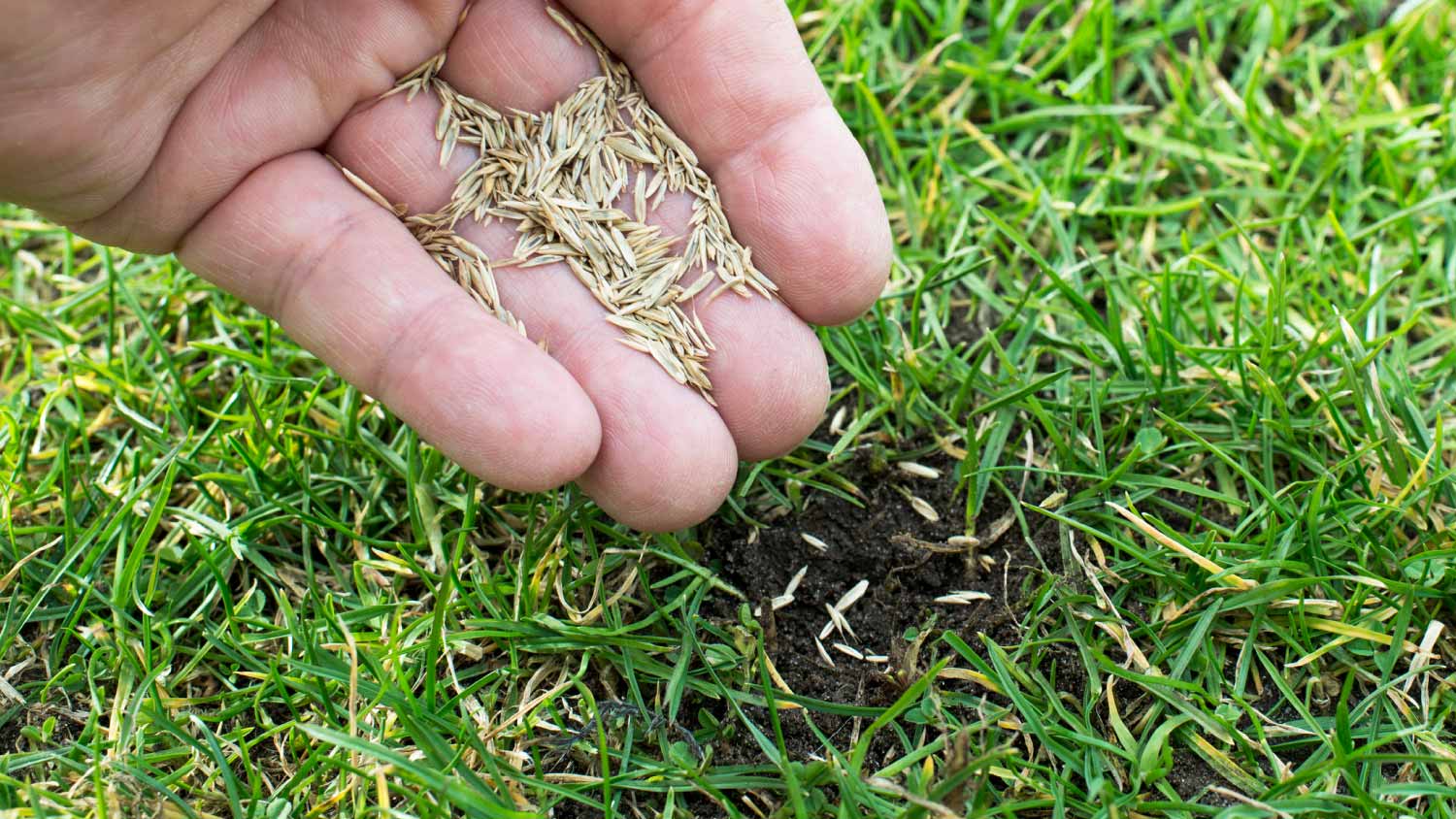
Can you overwater grass seed? Our guide covers how to prevent overwatering and tips for keeping your future grass in top shape.
Can you overwater grass? Our guide covers signs of oversaturation, tips to repair it, and lawn care best practices that’ll have your lawn looking great.

What is Bermuda grass? This resilient grass can take your lawn from drab to fab. Consider our planting and caretaking tips to ensure your emerald sod thrives.