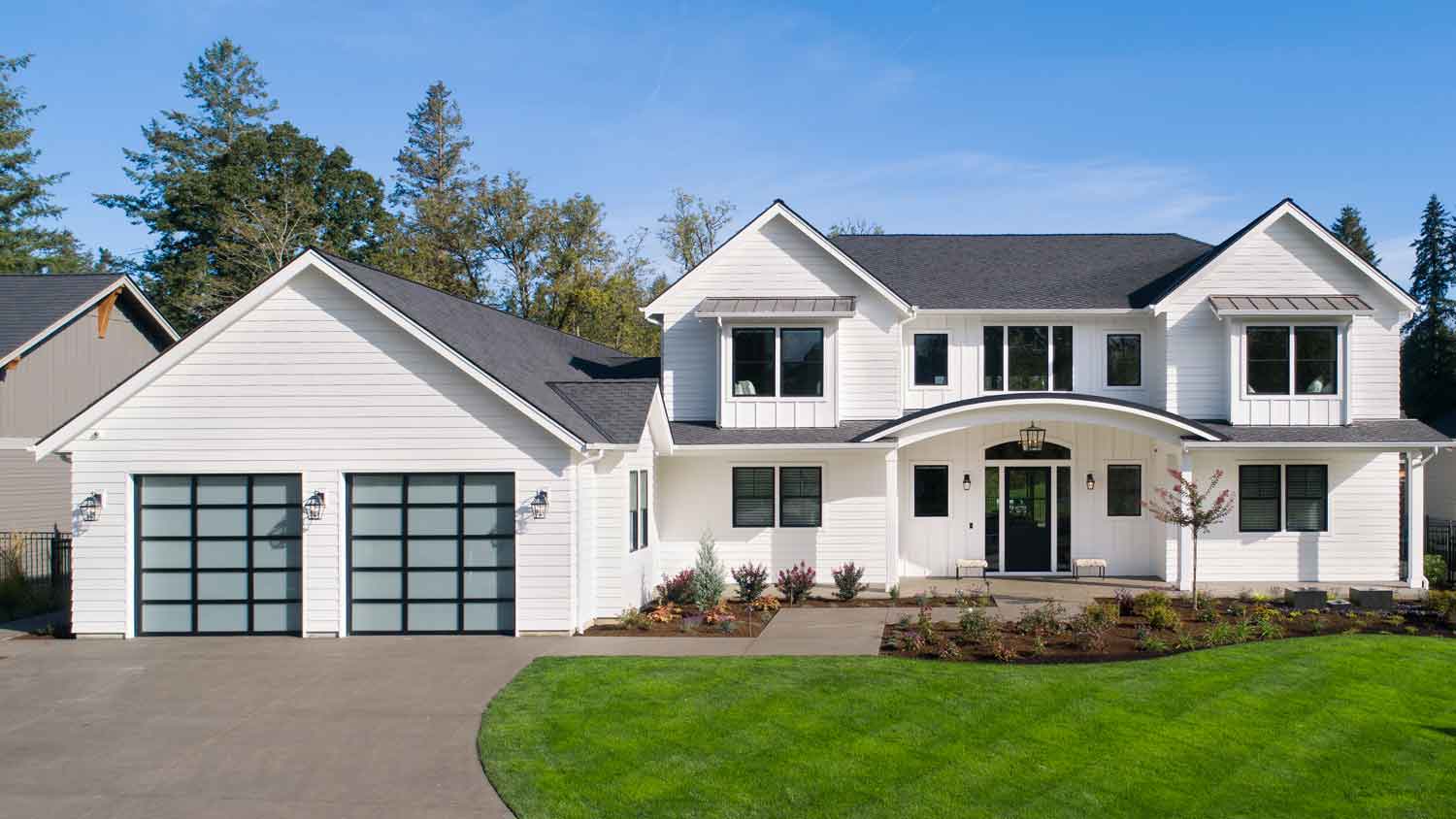
Compare the best exterior house paint colors like white, greige, blue, sage, and gray, and learn how to choose the right shade. Find local pros to paint.
Elevate your colonial's curb appeal with timeless color palettes

White is the most enduring colonial exterior color, alongside historic blue, earthy green, warm neutral, and black, with soft peach and dusty rose suited to Colonial Revival homes.
Professional exterior painting costs $1,810 to $4,505 on average, and larger colonial homes cost more.
A strong colonial scheme pairs a neutral or traditional body with bold accents on the shutters, doors, and trim.
Hiring a local exterior painting professional provides confident color selection guidance and handles the tall ladder work required for your two- or three-story Colonial home.
Colonial exterior paint colors range from crisp white to deep navy and earthy green. The right scheme suits your home's material, sub-style, and trim. A classic Colonial-style home rewards a planned palette across the body, trim, and accents, not a single shade.
What is the best color to paint the exterior of a Colonial house? The go-to colonial colors are classic white, historic blue, muted or earthy green, warm neutral, black, and historic red. Most colonial schemes pair a neutral body with darker accents on the trim, shutters, and door.
Colonial and Federal homes use paint to define three zones.
Body: the siding or walls, your largest color area.
Trim: the casings, corner boards, and fascia that frame the house.
Sash and movable elements: the shutters, doors, and window sashes, usually your darkest accent.
Early First Period homes often used just two colors. From the Georgian period on, the three-color scheme became the most common approach.
| Zone | Classic choice |
|---|---|
| Body | White or warm neutral |
| Trim | White or cream |
| Shutters and door | Black or dark green |

White is the timeless colonial choice, and the era used it freely. A white body with white trim reads clean, formal, and true to the style.
Best for: most colonial sub-styles, especially symmetrical wood clapboard facades.
Pair with: white or cream trim and black or dark-green shutters and a matching door.
White shows dirt more than darker colors, so wash it regularly to keep it bright. We recommend a satin or semi-gloss sheen for easier cleaning.
Recommended colors:

Blue has deep roots in American and naval history and appears throughout colonial architecture. Navy and medium-to-dark blues work on shutters, trim, or the full facade.
Best for: wood facades and homeowners who want a traditional accent with strong contrast.
Pair with: white trim and a navy or black door.
For more options, see our guide to blue exterior house paint colors.
Recommended colors:

Soft peach and light pink are Victorian-era pastels that carry over well to Colonial Revival homes. These warm, low-contrast tones suit homeowners who want a gentle alternative to white.
Best for: homeowners who want a warm body color with subtle character.
Pair with: white or cream trim and a dark-brown or deep-green door and shutters.
Recommended colors:

Light pinks and dusty roses give a Colonial Revival home a soft, muted body color. They read subtle from the street and pair well with strong, dark accents.
Best for: homeowners who want an understated warm hue with vintage character.
Pair with: crisp white trim and dark shutters or a deep-toned door.
Recommended colors:

Green exterior paint colors tie a colonial to its landscape and create a warm, grounded look. Green complements surrounding foliage and a natural setting.
Best for: homes on wooded or garden lots that should blend with their surroundings.
Pair with: cream or white trim and a black or dark-bronze door.
Recommended colors:

Warm neutrals like tan and beige bring warmth to a colonial and pair with almost any accent. They give you a flexible base for trim and door colors.
Best for: homeowners who want a versatile body color that works with many accents.
Pair with: white trim for contrast, or darker shutters and a bold door.
Recommended colors:

Black modernizes a colonial and never goes out of style. It works on shutters and doors, and increasingly on the full body.
Best for: homeowners modernizing a colonial or adding strong contrast.
Pair with: a white or light-neutral body and white trim.
Recommended colors:
Your colonial's sub-style points you toward a period-accurate palette. The conventions below are scoped to the colonial period.
Georgian colonials used dark body colors like stone, chocolate, ochre, gray, and red. The trim was almost always white, with a dark door in chocolate, red, green, or blue.
Federal homes shifted to lighter body colors such as white, cream, and straw. The shutters and doors stayed dark green or black.
Dutch Colonial homes follow the same body, trim, and sash framework. Their signature is the gambrel roof, not a separate color palette. Choose colors as you would for any colonial.
Colonial Revival draws mainly on Georgian and Federal styles. It favors muted historic hues with white trim and dark shutters.
For period-accurate options, the Benjamin Moore Williamsburg Collection offers 144 colors developed with the Colonial Williamsburg Foundation. Benjamin Moore's color experts, working with the Colonial Williamsburg Foundation, examined 18th-century wallpaper, paint samples, and documents to accurately recreate early American colors. Sherwin-Williams offers historic and America's Heritage exterior collections with colonial-era schemes.
That research also found a surprise. Historic colonial pigments were more saturated than many assume, so muted is not always more authentic. For more period palettes, see our guide to the best exterior colors for historic homes.
Your siding material shapes your color choices.
Brick colonials: choose trim and accent colors that complement the brick's undertone. White or off-white trim works with nearly any brick color.
Wood or clapboard colonials: you have more freedom to choose a body color, since the siding carries no fixed undertone.
For sheen, paint manufacturers including Behr recommend a satin body with semi-gloss trim and doors.
Narrow by house material. Brick limits your body options, while wood opens them up.
Choose a body color. Pick your main shade first, since it covers the most area.
Pair trim and accents. Add trim, then shutters and a door color for contrast.
Test large samples. Paint big swatches on the wall and view them in morning and evening light.
Confirm maintenance and sheen. Choose a satin body with semi-gloss trim, and plan regular washing.
Most colonials stand two or three stories tall. That height calls for tall ladders or scaffolding, which raises the difficulty and risk of a DIY job. We recommend hiring a pro when your home has upper floors or steep rooflines.
A professional also helps with color selection and delivers a smoother finish. The cost to paint a house exterior averages $1,810 to $4,505.
Painting runs about $1.50 to $4 per square foot. For a 2,000-square-foot home, budget $3,000 to $8,000. A DIY project costs $500 to $1,000 in paint and supplies, but takes more of your time.
Custom Paint Jobs LLC took our exterior from drab to fab! We couldnt be happier.
 Custom Paint Jobs, LLC
From average costs to expert advice, get all the answers you need to get your job done.
Compare the best exterior house paint colors like white, greige, blue, sage, and gray, and learn how to choose the right shade. Find local pros to paint.

Choosing exterior paint colors for historic homes? Match your home's style and era with period palettes, brand color picks, and pro tips from Angi.

Want the classic look of a white-painted home exterior? Use this guide to sort through your options for modern white house exterior paint colors.
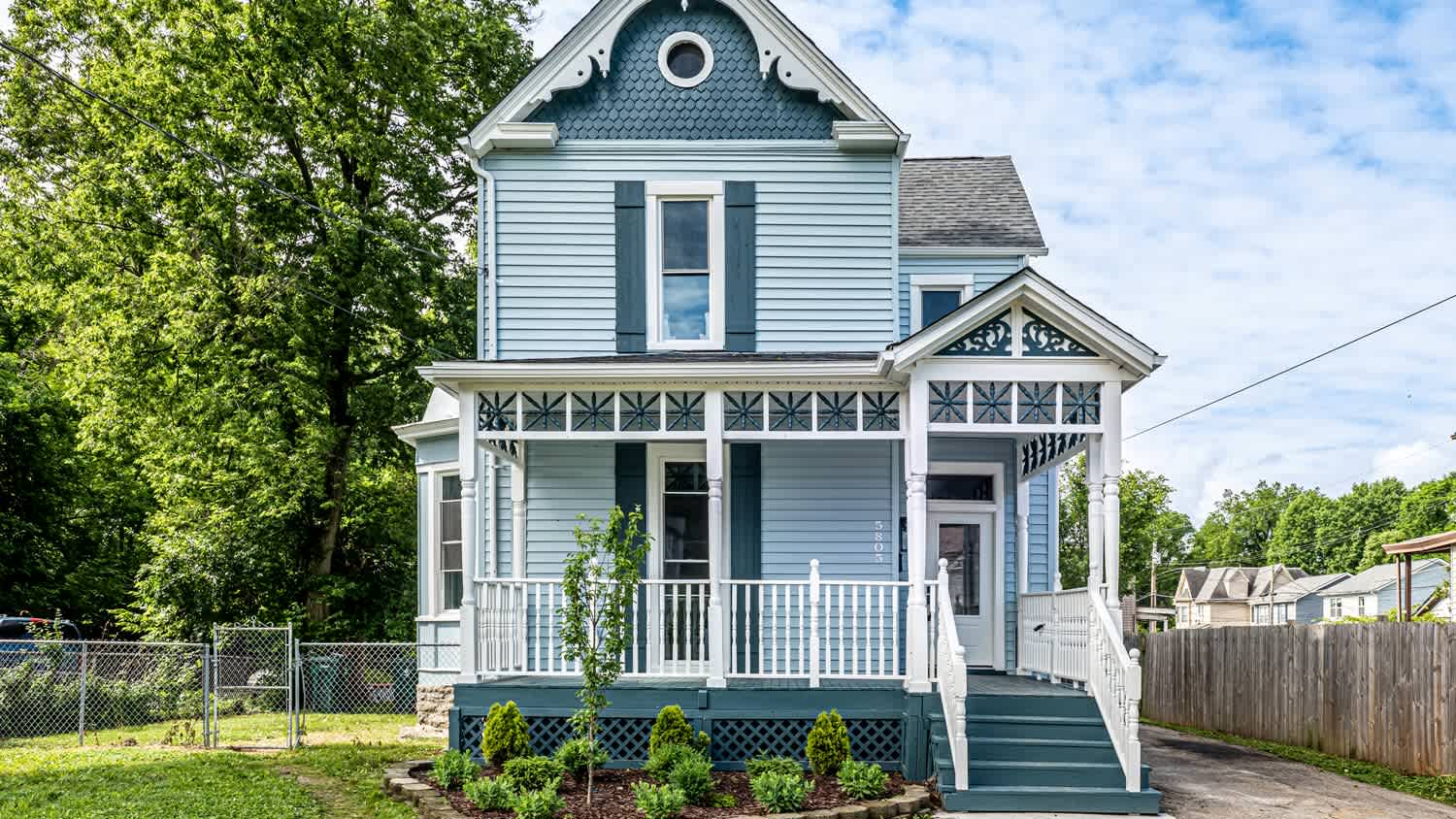
Check out these 8 Victorian exterior paint colors to take your house to the next level. Choose something subtle or something bold to fit your vision.

Sorting through your options for house paint can be daunting. Explore the best exterior gray paint colors and use our tips to choose the best one for your home.
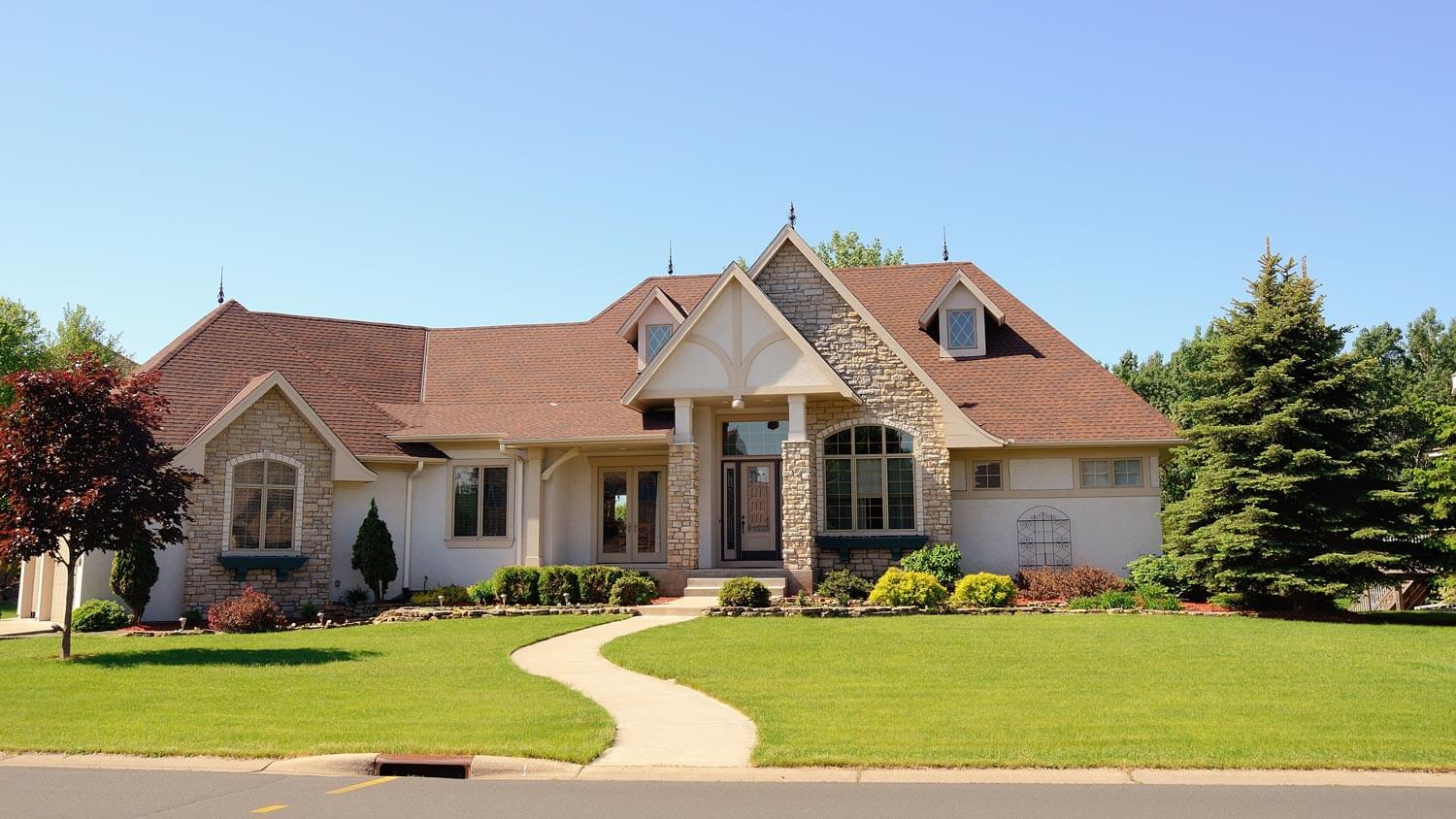
Make home selling easy and meet buyers where they are—in the neutral zone. This guide is packed with sought-after colors to sell your home for the best price.